Kastmaster XL: How to Fish a Larger Spoon
A larger spoon can cover water quickly, but its effectiveness depends on controlling speed and depth rather than simply casting farther. Use these practical steps to adapt a Kastmaster XL presentation to the fish and conditions in front of you.
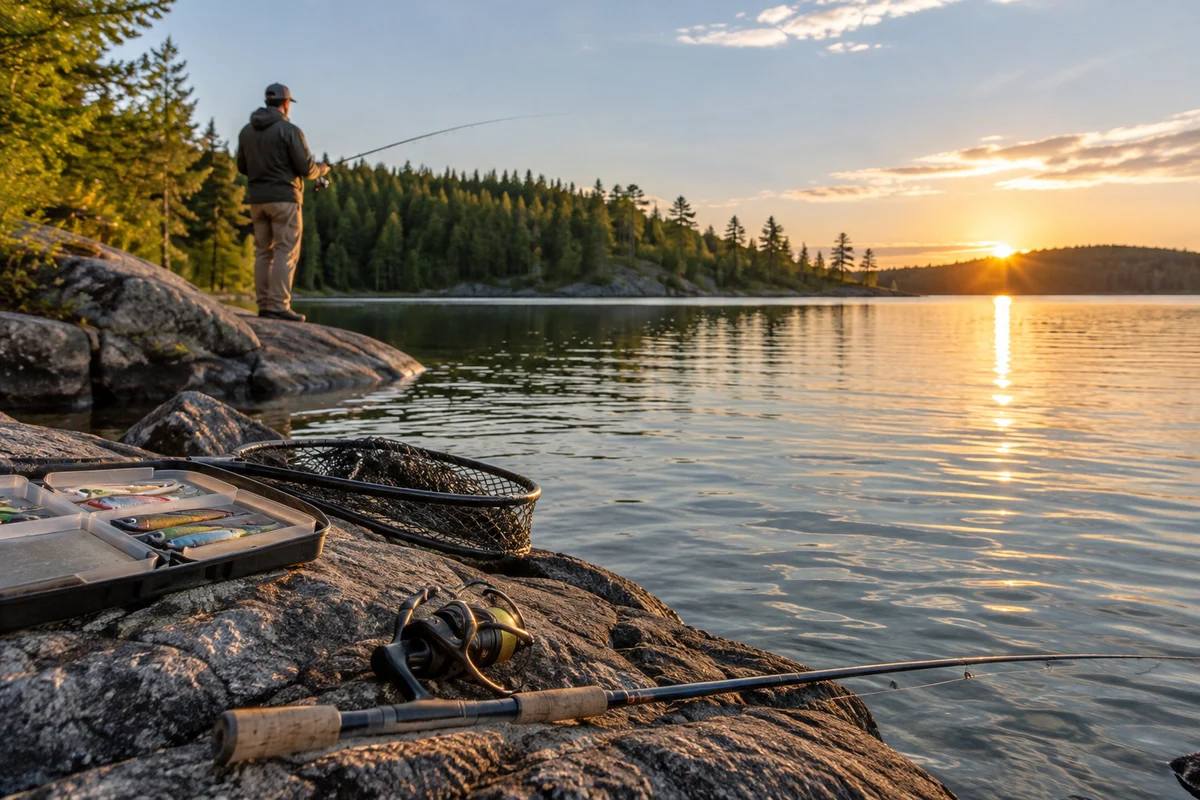
What is a Kastmaster XL, and what can it do?
The Kastmaster XL is a larger-format spoon in the Kastmaster lure family. A spoon’s metal body reflects light and moves with a side-to-side action as it travels through the water. That combination can make it useful for searching open water, covering a shoreline, or presenting a moving target to fish that are feeding on baitfish. The lure name alone, however, does not establish the exact weight, dimensions, finish, or hook arrangement of every version. Check the package or the manufacturer’s current information for the specific model in hand.
Think of it as a tool for a deliberate, moving presentation—not a lure that automatically catches larger fish. A bigger profile may be appropriate when the forage is substantial or when you want to make a lure visible across open water, but fish may prefer a smaller offering. If they follow without striking, change the retrieve, depth, or profile before deciding that the location is empty.
For more freshwater techniques and related ideas, visit the freshwater fishing tips hub. For a slower, compact option, compare the role of a skeleton minnow bait in a different presentation.
When should you choose a larger spoon?
A larger spoon makes sense when you need to search a broad area or when a substantial moving profile fits the conditions. It can be cast over open water, along the outside edge of vegetation, across a point, or parallel to a shoreline. A cast that crosses a likely travel route gives the lure time to pass through the area where fish may be holding, rather than pulling it directly away from that zone immediately.
Consider the water clarity, light, wind, and visible forage. In clear water, fish may track a lure from a distance, so a steady retrieve can help them commit. In dim light or stained water, a more visible profile or a retrieve with brief changes of pace may help fish locate it. These are starting points, not rules: fish can respond differently from one day to the next.
A large spoon is not automatically the best choice for deep water. Its sink rate depends on the particular model, line, current, and retrieve. Confirm the lure’s characteristics rather than assuming that “XL” means a particular weight or depth range. If the fish are holding shallow or feeding on small prey, a smaller bait may be a better match.
How do you control the retrieve and depth?
Begin with a controlled cast and let the lure descend for a measured interval before retrieving. Count the pause consistently, then vary it on later casts. This does not provide an exact depth, because line angle, current, and lure design affect the fall, but it gives you a repeatable way to test higher and lower parts of the water column.
Start with a moderate, steady retrieve. The spoon should move naturally rather than spin continuously. If it rolls or twists, slow down, inspect the line and terminal connection, and check the lure for damage or fouling. If fish follow but do not strike, try a short pause or a subtle speed change. Keep the changes small enough that you can tell what influenced the response.
A simple sequence helps avoid random adjustments:
- Make several casts at a consistent speed and fall interval.
- Change only one variable—such as depth, speed, or casting angle.
- Repeat the new presentation long enough to compare it fairly.
- Record the conditions and the approach that produced a strike or follow.
On a boat, parallel casts along a contour or weed edge can keep the lure in a productive band for longer. From shore, fan casts at different angles help cover water without repeatedly retrieving through the same narrow lane. If you are fishing from a small boat, positioning and controlled movement matter too; see these considerations for trolling motors on small boats.
What tackle and connection should you use?
Choose a rod, reel, and line that can cast the specific lure comfortably and handle the fish and cover you expect. Because the exact Kastmaster XL configuration is not established by the name alone, use the model’s package guidance and your rod’s lure rating rather than guessing at a weight. A balanced setup makes it easier to cast accurately and detect changes in the lure’s movement.
Tie a sound knot and inspect the line near the lure for abrasion after contact with rocks, weeds, or fish. A snap or swivel can be useful when it suits the lure and fishing conditions, but bulky hardware may change how a spoon moves. Follow the lure maker’s guidance for connections, and compare the action with and without extra hardware in a safe, open area.
Hooks should be sharp and appropriate for the lure and the regulations where you fish. Check for bent points, rust, or weeds before each cast. Follow local rules on hook configuration, seasons, and waters; regulations differ by location and can change. Handle hooked fish carefully and use a landing method suited to the species and conditions.
If the fish are holding close to bottom or a compact presentation is more suitable, a jig can offer a different way to manage depth. The tungsten fishing advantages article provides a useful comparison of how a different jig material can affect a fishing approach; it is not a substitute for checking the rules or specifications for your own gear.
How should you adapt to wind, current, and cover?
Wind can help you cover water, but it also affects casting direction and line control. Cast with the wind when distance is useful, or angle across it when you need to maintain contact and track the lure. If bowing line makes the retrieve feel disconnected, shorten the cast, lower the rod tip, or reposition rather than speeding up blindly.
In current, cast across or slightly upstream when practical, then allow the spoon to move naturally while keeping enough control to detect a strike. Current changes the lure’s path and fall, so use shorter pauses and observe how it behaves before making longer casts. Avoid forcing a fast retrieve simply because the water is moving quickly.
Near weeds, wood, or rock, choose a route that reduces snags and keep the hook clear of debris. A spoon with exposed hooks can catch cover; make casts along an edge or over a cleaner lane when possible. If the lure repeatedly fouls, change the angle or move to an open-water route. The goal is to present the lure through fishable water, not to drag it through every obstacle.
What should you check before fishing a Kastmaster XL?
Before heading out, verify the exact lure version, its condition, and the tackle ratings it requires. Confirm local fishing regulations for the waterbody, including any limits on hooks or lure use. Regulations are jurisdiction-specific, so consult the responsible fisheries agency for the place and date of your trip. The Acme Tackle website is a starting point for manufacturer information; if the precise model details are not clear there, check the product packaging or contact the manufacturer rather than inferring specifications from the name.
On the water, make your first casts exploratory. Test a steady retrieve at more than one depth, then change one variable at a time. Watch for follows, short strikes, and changes in how the lure tracks. Those observations are more useful than assuming a single retrieve is universally effective. A Kastmaster XL can be part of a versatile spoon-fishing approach, but matching its presentation to the conditions is what turns a cast into a purposeful test.
Frequently asked questions
What fish can you catch with a Kastmaster XL?
A spoon can be used to target freshwater game fish that respond to a moving, reflective presentation, but suitable species depend on the exact lure, local waters, and regulations. Match the profile and tackle to the fish you are pursuing.
How fast should you retrieve a Kastmaster XL?
Start with a steady moderate retrieve that lets the spoon move cleanly without continuously rolling. If fish follow without striking, test a small speed change or brief pause, changing one factor at a time.
Does Kastmaster XL identify a specific lure weight or size?
Do not infer exact dimensions or weight from the name alone. Confirm the specific version on its packaging or through current manufacturer information, then match it to your rod’s lure rating.
Sources & further information
Consult these primary sources for current regulations, technical information and local guidance.