Custom Fish Houses: Plan an Ice Shelter for Your Fishing Style
A practical guide to planning a custom ice-fishing shelter, from choosing a suitable footprint and layout to considering transport, utilities, maintenance, and ice safety.
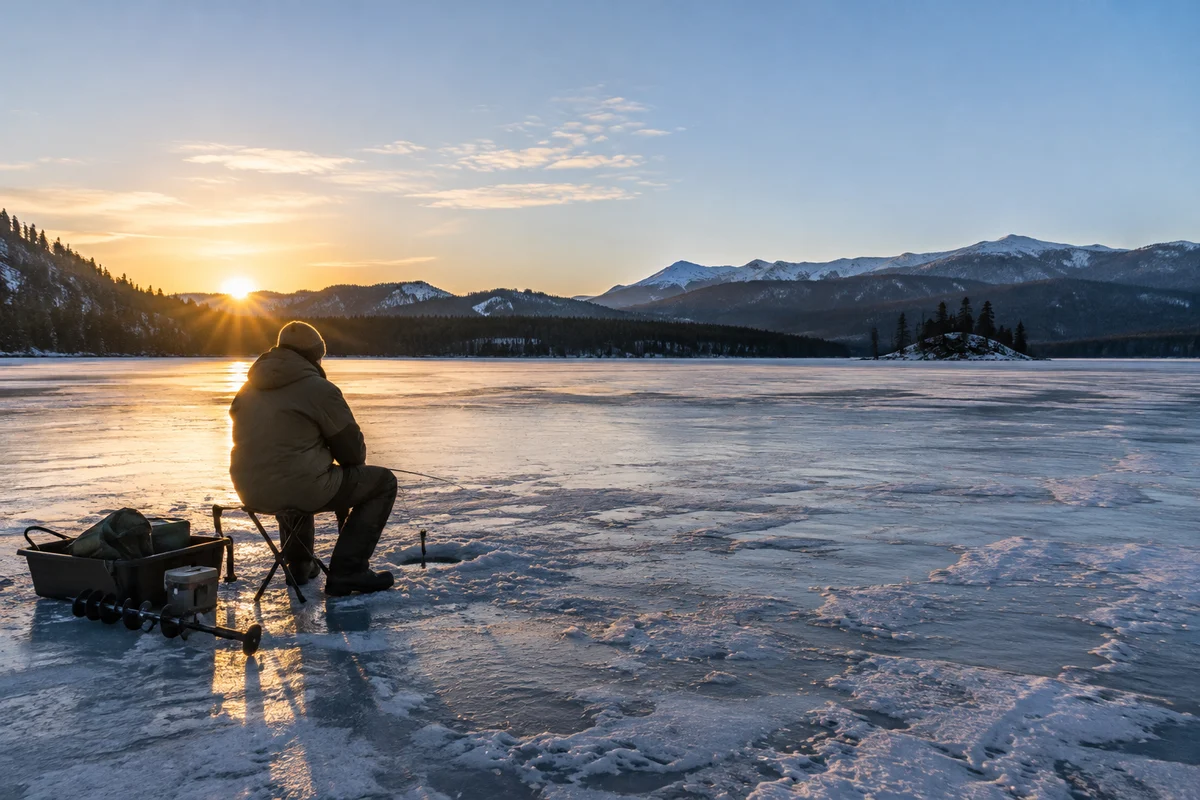
Custom fish houses can make long days on the ice more comfortable, but a successful design starts with how and where you actually fish—not a list of upgrades. Before sketching a floor plan, think through the number of people, typical trip length, access routes, storage needs, and whether the shelter will spend more time on the ice, at a seasonal site, or traveling between destinations. Those choices shape nearly every later decision.
A custom build is also a set of tradeoffs. More space, insulation, and equipment can add weight and complexity; a simpler layout may be easier to tow, maintain, and adapt. Treat this as a planning guide rather than a construction specification: vehicle ratings, local rules, and manufacturer guidance govern the details.
What should a custom fish house do?
Start by writing down the jobs the shelter needs to handle. A house intended for occasional day trips may need only a warm place to fish, basic seating, and organized tackle storage. A shelter used for extended outings may call for better sleeping arrangements, more food storage, and carefully planned ventilation and power. Neither approach is automatically better; the right one fits the trips you take.
Make a short list of priorities in order: fishing access, seating, gear storage, warmth, sleeping, cooking, or mobility. Separate essentials from “nice to have” features. That exercise helps keep a design from accumulating equipment that consumes floor space without improving the experience.
Consider who will use the house, too. Clear walking paths, stable handholds, accessible storage, and room to change layers can matter more than elaborate finishes. If children or guests are frequent companions, plan for their movement and comfort rather than treating every open area as gear space.
How do you choose a useful layout?
Map the interior around fishing holes and movement. Seats should let anglers fish without blocking the door, access to stored equipment, or another person’s line. A central open area can be flexible, while a perimeter layout may make seating and storage easier to organize. The best arrangement depends on the shelter’s dimensions and the number of anglers; sketching full-size outlines with tape can reveal awkward clearances before a design is finalized.
Think about where wet clothing, boots, rods, and tackle will go. Separate frequently used items from equipment needed only occasionally. A dedicated place for wet gear can help keep sleeping or seating areas more comfortable, while secure storage reduces clutter during travel. For ideas on organizing compact equipment, see this guide to ice fishing tackle storage.
Plan for light and sight lines without relying on glass alone. Windows can brighten a space, but placement should preserve privacy, reduce glare, and avoid making fishing positions uncomfortable. A small table or work surface is useful only if it does not obstruct movement or cover access to fishing holes.
How much insulation and heat are appropriate?
Insulation choices depend on climate, intended use, and how the house is heated. A shelter used for short outings may have different needs from one occupied for extended periods. Ask a qualified builder or the relevant equipment manufacturer about materials, thermal performance, moisture control, and compatibility with the intended heating system.
Heating and ventilation must be considered together. Any fuel-burning appliance can create serious hazards if installed or used improperly. Follow the appliance maker’s instructions, maintain required clearances and ventilation, and use carbon-monoxide alarms appropriate to the setting. Never assume that a warm room is a safe room, or that cracking a window is a substitute for installation guidance.
Condensation is another practical issue. Wet clothing, cooking, and temperature differences add moisture, which can affect comfort and materials. A layout with a sensible place for damp gear, along with ventilation designed for the heating equipment, can help manage moisture. Avoid improvising modifications to heaters, vents, or electrical systems.
What should you consider before adding utilities?
Power needs are easy to underestimate. List each planned electrical load and how long it may run: lighting, electronics, charging, pumps, or other equipment. A qualified professional can help determine a safe system based on those demands, the power source, wiring protection, and local requirements. Do not select a battery or generator solely by appearance or a vague promise of long runtime.
Water and cooking features bring their own maintenance questions. Consider freezing, drainage, sanitation, and how systems will be winterized or stored. If a feature is difficult to maintain at home or at a seasonal site, it may be less useful than a simpler alternative. Keep cooking equipment and fuel use consistent with manufacturer directions and applicable fire-safety requirements.
Leave room in the plan for service access. Components that cannot be inspected, shut off, or repaired conveniently can turn routine upkeep into a problem. Before approving a layout, ask where fuses, shutoffs, vents, and service panels will be, and how those areas remain reachable when the shelter is furnished.
How do towing and mobility change the design?
A mobile fish house has to work as both a shelter and a load being transported. The finished weight, hitch arrangement, tires, brakes, axle ratings, and tow vehicle capacity all matter. Confirm those ratings with the relevant manufacturers and have the completed setup assessed by qualified professionals where needed; do not estimate capacity from a floor plan or assume that a familiar vehicle can tow a heavier build safely.
Think about the route, not just the destination. Narrow access, uneven approaches, storage arrangements, and launch or landing conditions may limit a shelter’s dimensions or weight. If the house will stay in one place for much of the season, mobility may be less important than interior space and service access. If it moves often, simpler systems and durable surfaces may be easier to live with.
On the ice, conditions can change across short distances and over time. No shelter design makes ice automatically safe. Check current local guidance and conditions, use appropriate flotation and safety equipment, travel with a companion when possible, and turn back when conditions are uncertain. Review practical precautions in our coverage of ice fishing safety sticks. For broader freshwater planning and seasonal guidance, explore more outdoor coverage.
Which materials and finishes make sense?
Choose materials for the conditions they will face: moisture, temperature swings, abrasion, and repeated cleaning. Durable, easy-to-clean flooring and surfaces can be more valuable than delicate finishes. Ask builders or suppliers about maintenance, repairability, and how materials perform in the intended environment rather than relying only on appearance.
Weight is a design factor, not an afterthought. Cabinetry, flooring, furnishings, and stored gear add up. A lighter option may help mobility, while a heavier finish might offer a particular durability or feel. Compare the complete assembly and its effect on the finished shelter, not just the weight of one component.
Keep the exterior practical. Lights, trim, and storage attachments should be securely installed and suited to transport and weather exposure. Avoid adding protrusions that could snag or complicate towing. Confirm that any changes preserve required visibility, safe access, and compliance with applicable transport rules.
How should you compare builders and proposals?
Give each prospective builder the same written brief: intended use, typical occupants, mobility needs, priority features, and approximate space requirements. Request a clear description of what is included, what is optional, how the finished weight is determined, and what documentation or warranty terms apply. Ask how the builder handles service access and whether systems are installed according to their manufacturers’ requirements.
Compare the design as a whole instead of choosing from a feature count. A proposal with fewer systems may better fit short trips and limited maintenance time. A more involved setup could make sense for frequent extended use, if its weight, safety provisions, and upkeep are understood. Confirm any uncertain product details directly with the manufacturer, and check local rules before committing to a design.
Before signing off, walk through the plan as if arriving on a cold day: where do boots go, where can wet layers hang, can every person move safely, and can essential equipment be reached? A custom fish house earns its value when its layout supports real fishing days and remains manageable through transport, storage, and upkeep—not simply when it contains the most features.
FAQ
Does a custom fish house need to be mobile?
No. The choice depends on where and how it will be used. A mobile design prioritizes transport constraints and repeated setup, while a stationary or seasonal shelter may prioritize interior space and service access. Confirm local requirements for either arrangement.
What should I decide before asking for a design quote?
Write down the usual number of occupants, trip length, access conditions, essential features, and any planned power or heating systems. A consistent brief makes proposals easier to compare and exposes tradeoffs early.
Is a heated fish house safe to use in any ice conditions?
No. Heating affects comfort, not the strength or safety of the ice. Check local conditions and guidance, carry appropriate safety equipment, and avoid traveling onto ice when its condition is uncertain.
Frequently asked questions
Does a custom fish house need to be mobile?
No. The choice depends on where and how it will be used. A mobile design prioritizes transport constraints and repeated setup, while a stationary or seasonal shelter may prioritize interior space and service access. Confirm local requirements for either arrangement.
What should I decide before asking for a design quote?
Write down the usual number of occupants, trip length, access conditions, essential features, and any planned power or heating systems. A consistent brief makes proposals easier to compare and exposes tradeoffs early.
Is a heated fish house safe to use in any ice conditions?
No. Heating affects comfort, not the strength or safety of the ice. Check local conditions and guidance, carry appropriate safety equipment, and avoid traveling onto ice when its condition is uncertain.
Sources & further information
Consult these primary sources for current regulations, technical information and local guidance.