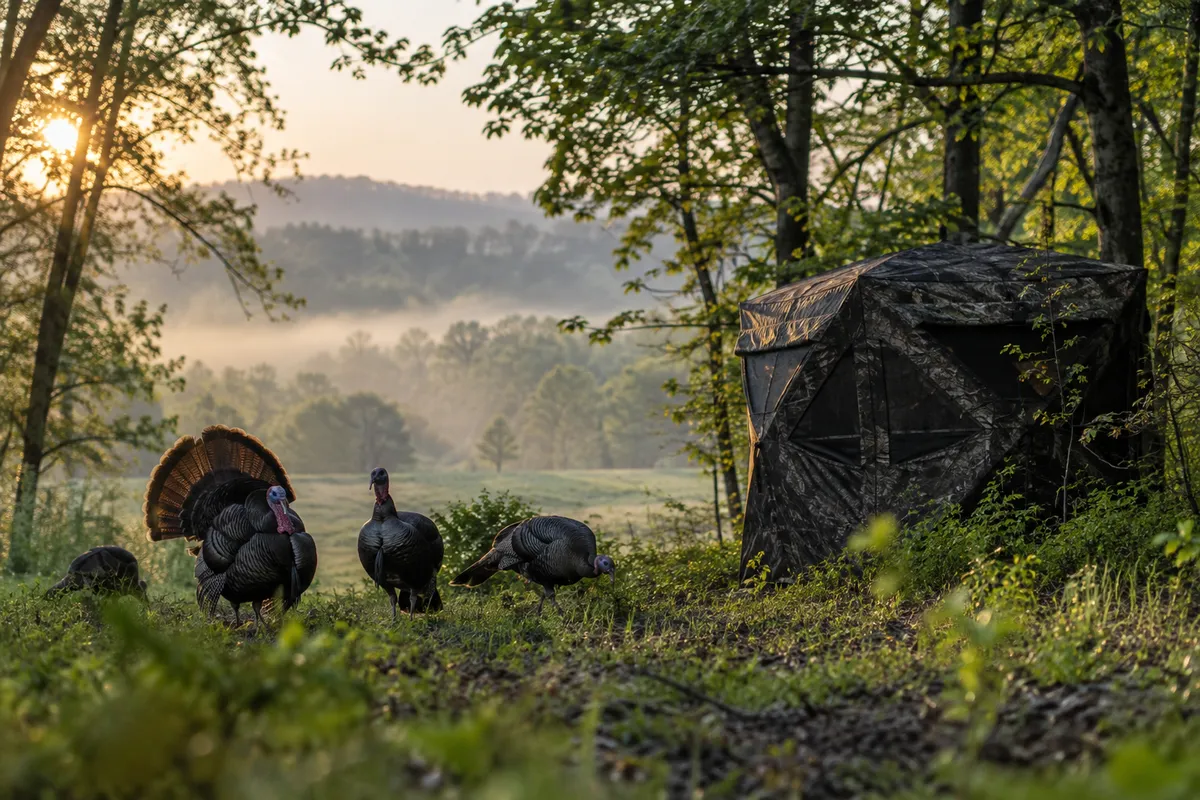
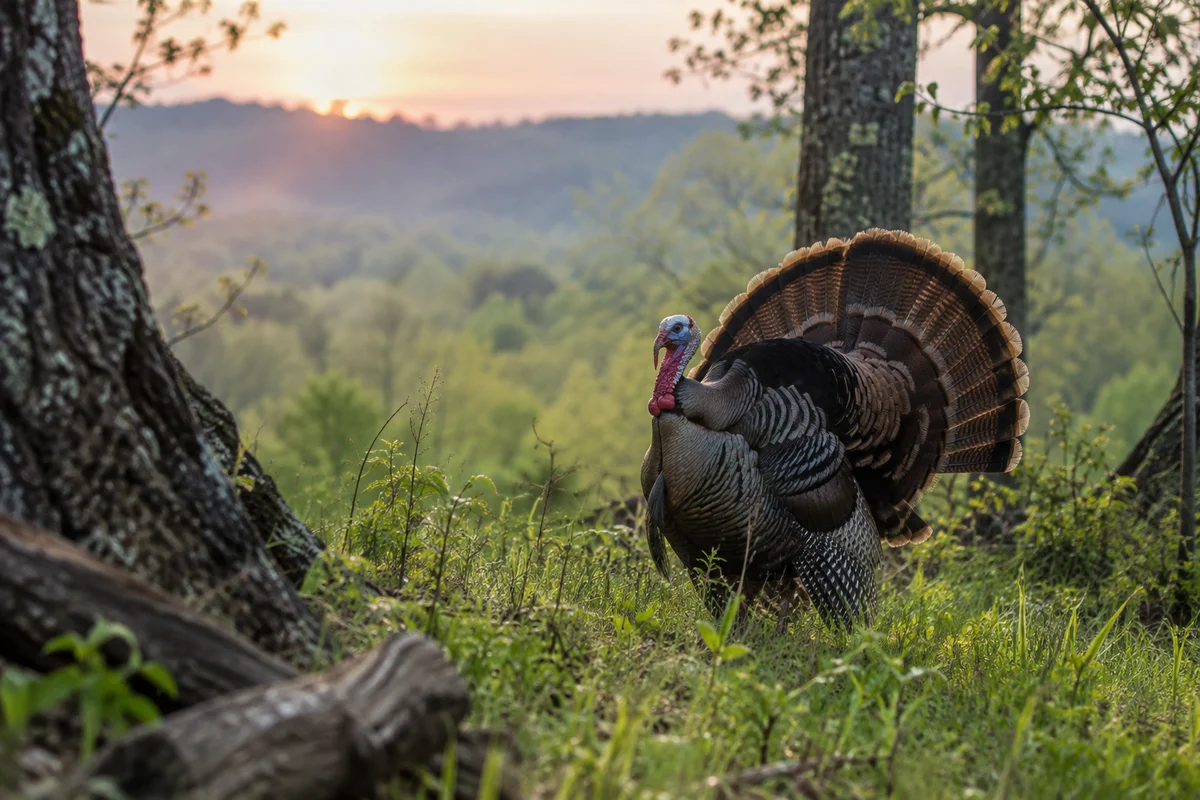
Crazy Jake Turkey Decoy: Setup, Safety and Field Use
A practical, safety-first guide to evaluating a Crazy Jake turkey decoy, positioning it thoughtfully, and adapting your setup to terrain, bird behavior, and local regulations.
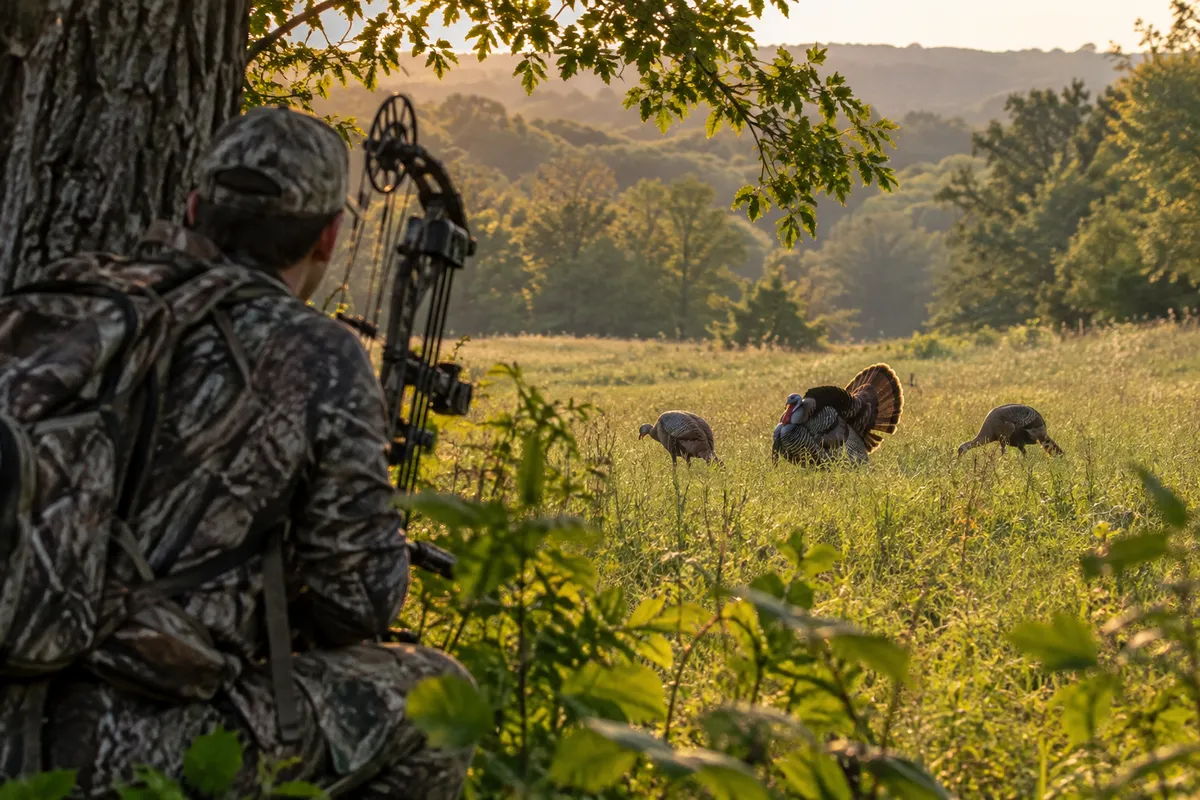
A Crazy Jake turkey decoy is best treated as one optional part of a spring turkey setup—not a guarantee that a bird will approach. The legacy product-style name alone does not verify a particular model, feature set, or current availability, so check the maker’s current information before relying on a specific design. What matters in the field is the decoy’s appearance, placement, visibility, and fit with the hunting area. A deliberate setup also leaves room for calling, concealment, a safe shooting lane, and a decision to pack the decoy away when conditions make it a poor choice.
What should you verify about a Crazy Jake decoy?
Start with the item itself rather than assumptions attached to its name. Manufacturers can change product details, and similarly named decoys may differ. Confirm the maker and model, the intended use, how it is assembled or supported according to its supplied instructions, and whether it can be transported without damage. If the exact product cannot be identified, treat its characteristics as unknown; do not assume a posture, size, motion system, or included accessories.
A jake-style decoy represents a young male turkey. That visual may be useful in some situations, but turkey responses vary by bird, season, location, and hunting pressure. A decoy can attract attention, provoke caution, or have no noticeable effect. Keep it as a flexible tool, not the premise of a plan. For an overview of the broader subject, explore more outdoor coverage on turkey hunting.
When can a jake-style decoy make sense?
Consider the setting and your hunting method. In an open area where a bird can see the decoy from a distance, a visible, simple presentation may help make the scene legible. In thick cover, a decoy may be hidden until a turkey is close, or its outline may be difficult to distinguish. In either case, terrain and safe visibility matter more than the idea that a particular decoy will automatically draw a bird.
The bird’s behavior is another reason to stay adaptable. A responsive turkey may approach a calling position without any decoy. A cautious bird may hang back, circle, or avoid a setup. If you observe alarm, repeated hesitation, or a change in wind or visibility, reconsider the arrangement rather than escalating calls or making unsafe movements. Calling styles also affect the overall presentation; compare approaches in this guide to choosing the right turkey call.
How should you place a turkey decoy?
Choose a location before setting anything out. Favor a stable spot where the decoy is visible from likely approach directions but does not require you to sit in an exposed or unsafe position. Look for a clear backdrop and avoid placing it where a road, trail, building, or other hunters could create confusion. Never set up where you cannot identify what lies beyond your intended safe field of view.
Keep the decoy within a comfortable viewing area from your seated position. You should be able to monitor the surrounding ground without repeatedly twisting, standing, or moving into the open. Think through the approach routes a bird might use and where another person could appear. If you cannot maintain awareness of those routes, move the setup or leave the decoy behind.
Use the product’s instructions for its support and handling, and check that it is stable in the conditions. Wind can shift a lightweight decoy or make it look unnatural. Avoid improvised placements that create a snag, trip hazard, or obstruction. Before beginning to call, settle into position, confirm the area is safe, and keep the decoy from blocking your view.
How do calling, concealment, and decoys work together?
A decoy is only one visual cue. Concealment, a sensible calling pace, patience, and awareness of wind and terrain all contribute to a coherent setup. Place yourself where you can remain still and see approaching birds without being silhouetted. If foliage moves in the wind or your outline is obvious, changing the decoy may not solve the underlying problem.
Avoid calling continuously simply because a decoy is present. Listen first and respond to what you hear and see. A turkey that is already approaching may need quiet; a bird that has lost interest may not be persuaded by more volume. Keep movements small and deliberate, and do not turn toward a sound or glimpse unless you can do so safely. A ground blind option may be worth comparing for concealment, but any blind must still allow safe visibility and firearm handling consistent with training and regulations.
When is it better not to use one?
Leave the decoy packed when visibility is poor, the area is crowded, you cannot control the background, or you are unsure whether other people could mistake it for a live bird. A decoy can draw attention from people as well as turkeys. In public or shared hunting areas, prioritize clear identification and safe conduct over a more elaborate presentation. Wear the required hunter-orange garments when and where regulations call for them, and follow all local rules on decoys, seasons, access, and firearm use.
A decoy also may be unnecessary when moving quietly through cover, hunting a tight setup with limited sightlines, or responding to a bird that is already closing. Carrying extra equipment can add noise, slow a careful approach, and make it harder to move safely. Choose the simplest setup that lets you remain still, visible to fellow hunters, and certain of your surroundings.
What safety and legal checks belong in the plan?
Identify your target and what is beyond it; never shoot at movement, sound, or a shape that you cannot positively identify. Keep the muzzle pointed in a safe direction, and do not handle a firearm while adjusting a decoy or moving through cover. If you hunt with others, agree on where each person will sit and how you will communicate before separating. Do not stalk or move toward a turkey call or a decoy you see. Make your own location known, and avoid wearing colors or carrying gear that could be confused with a turkey’s visible features.
Check the current rules for your state or tribal jurisdiction before the season. Regulations may address legal hunting hours, licensing, allowed equipment, public-land access, and safety clothing. Rules differ by location and can change. State wildlife agency information is the appropriate place to verify local requirements; the U.S. Fish and Wildlife Service also provides general federal wildlife information, but it does not replace local regulations.
How do you care for and transport a decoy?
Follow the manufacturer’s care instructions and inspect the decoy before heading out. Look for torn material, loose supports, missing parts, or damage that could make it unstable. Store it dry and protected from crushing. During transport, secure the decoy so it cannot shift, obstruct your view, or be mistaken for a live animal. When walking to and from a hunting location, keep it covered or otherwise clearly identifiable as equipment, and comply with local transport rules.
At the end of a hunt, remove all equipment and check that nothing has been left behind. A lightweight decoy can be easy to overlook in grass or brush. Leave the site as you found it, respect access boundaries, and avoid disturbing wildlife beyond what your activity requires.
A practical decision checklist
Before setting out a Crazy Jake-style decoy, ask: Can I identify the exact product and follow its instructions? Is the location legal, visible, and safe? Can I see the likely approach routes without moving? Could another hunter mistake the decoy or my position? Does the setup fit the bird’s behavior and the terrain, or am I forcing it? If any answer gives you pause, simplify the plan or hunt without the decoy. A sound setup is one you can manage safely and adapt calmly—not one that depends on a particular piece of gear.
Frequently asked questions
Will a Crazy Jake turkey decoy always attract a gobbler?
No. Turkey responses vary with individual behavior, terrain, visibility, season, and hunting pressure. A decoy is an optional visual aid, not a reliable guarantee.
How can I tell whether a Crazy Jake decoy is a specific current model?
Check the manufacturer’s current product information and supplied instructions. The name alone does not establish a model’s features, specifications, or current availability.
What is the most important safety consideration when using a turkey decoy?
Maintain a safe, identifiable setup: know what is beyond your field of view, never shoot at an unclear shape or sound, and avoid locations where other hunters could mistake your decoy or position for a turkey.
Sources & further information
Consult these primary sources for current regulations, technical information and local guidance.