Bluetooth Fishing Scale: A Field Guide to Smarter Weighing
A connected scale can make catch records easier to organize, but dependable results still start with sound weighing technique, sensible setup, and careful fish handling.
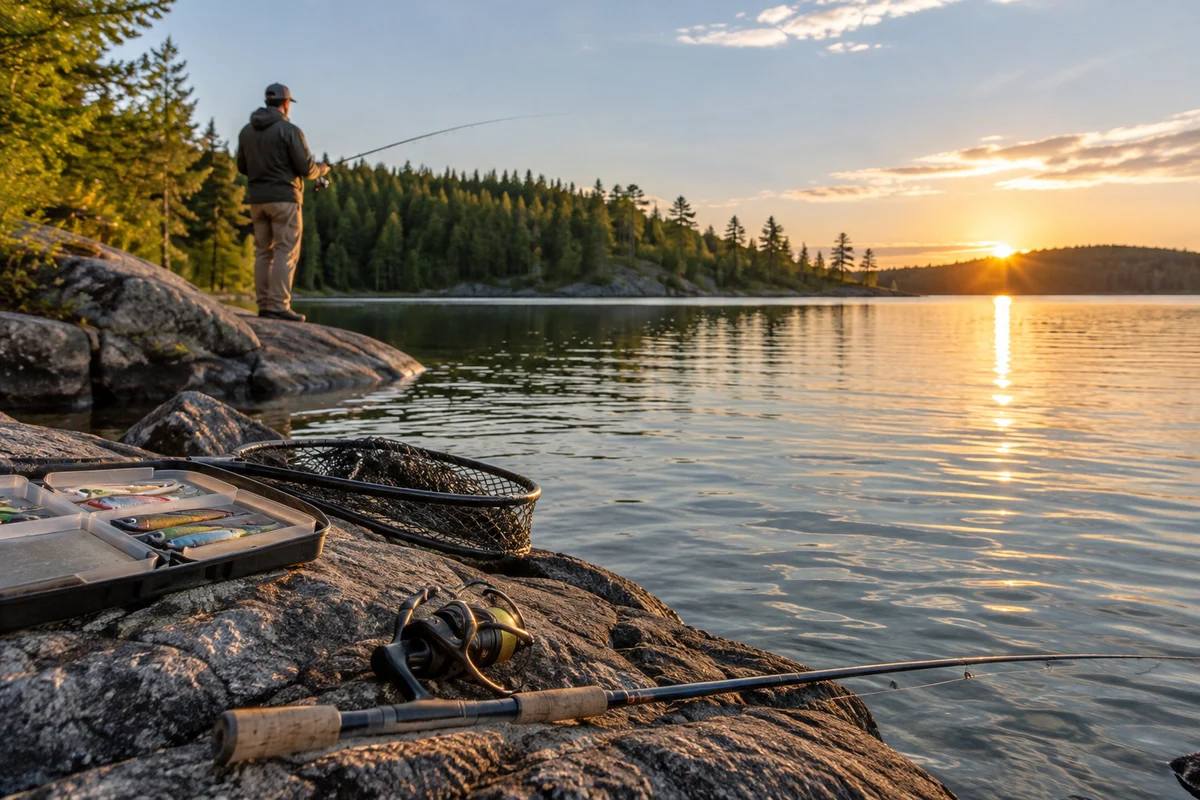
A bluetooth fishing scale can pair a handheld weighing device with a phone or other receiver, helping anglers save catch weights and related notes without relying on memory. The connection is only one part of a useful record: scale capacity, calibration, battery condition, handling technique, and the fish’s welfare all matter. Before choosing or using a connected scale, understand what it can record, what it cannot verify, and how to make a field measurement more consistent.
What does a Bluetooth fishing scale do?
A Bluetooth scale measures force and converts it into a displayed weight. If compatible with an app or receiver, it may send that reading wirelessly so an angler can store it alongside details such as date, location, species, or a photograph. The precise features depend on the device and its software; check the manufacturer's current documentation rather than assuming every scale records the same information.
Bluetooth is a communication method, not a guarantee of accuracy. A saved entry may faithfully preserve an inaccurate reading if the scale was poorly zeroed, overloaded, or swinging while the fish was weighed. Treat app records as useful personal notes, not automatically as certified measurements or proof of a record catch.
For a broader set of practical angling ideas, browse more outdoor coverage. If you're organizing tackle as well as catch data, common sense spinnerbait storage can help keep frequently used lures accessible and in better condition.
What should anglers check before a trip?
Start with the manufacturer's instructions. Confirm the scale's maximum capacity, display units, battery type, water-resistance limits, and supported phone or app requirements. A scale used for larger fish needs enough capacity for the expected load, with a reasonable margin; never exceed its stated limit. If the manufacturer does not clearly describe a feature, do not infer it from a product name or an old listing.
Charge or replace batteries before leaving, and install the official app only if you need its features. Pair the scale at home, check that the phone recognizes it, and learn how readings are saved. Bluetooth range can be affected by surroundings and device compatibility. A scale that works while the phone is nearby may not maintain a connection at a distance, so learn whether it can show weight independently and whether it stores data if the phone disconnects.
Inspect the hook, grip, strap, or weigh sling for damage. Make sure any accessories are appropriate for the fish and the scale, and that connections are secure. Keep the device clean and dry within its stated limits. Saltwater, rain, mud, and fish slime can affect equipment; follow the maker's cleaning and storage guidance instead of immersing a device that is not rated for it.
How can you get a more dependable reading?
Use a stable position away from the water's edge, with enough room to control the fish and scale. Turn the scale on, select the intended units, and zero it with the empty sling or container already attached. If the sling is added after zeroing, its weight will be included in the result. Verify that the reading returns to zero when unloaded.
Support the fish securely and keep it as close to the water as practical. Lift smoothly, without jerking, and wait for the display to settle. A fish that twists or swings can make the reading fluctuate. Avoid touching the fish against the ground, boat, or another object while recording its weight. If conditions are too rough to hold the scale and fish steadily, prioritize control and safe handling over capturing a number.
For a measurement you want to compare later, note the method as well as the displayed value. Record whether the fish was weighed in a sling, whether the sling was included in the tare, and whether the scale showed pounds, ounces, or kilograms. Different procedures can produce readings that are not directly comparable. A photograph of the display can support your own notes, but it does not independently establish calibration or official eligibility.
What makes a useful catch log?
A weight is more meaningful when it has context. Save the date, waterbody at an appropriate level of detail, species identification, units, scale model, and any relevant conditions. Add a photo if it can be taken quickly without prolonging handling. Keep notes factual and distinguish an estimate from a measured reading.
If you use an app, understand where information is stored and whether it needs an internet connection. Review permissions and privacy settings before saving precise locations. Some anglers prefer to record a general area rather than a launch, shoreline, or private access point. Back up records you value, and periodically check that saved entries can still be viewed or exported. App features and data policies may change independently of the scale hardware.
A digital log can also help compare fishing approaches, but avoid reading too much into a small set of catches. Differences in season, habitat, fish condition, and measurement method can matter. For tackle that is part of a broader setup, this overview of Cannon downriggers offers another example of why matching equipment to conditions matters more than relying on a label alone.
How should fish be handled while weighing?
Keep the weighing process brief. Wet your hands before touching a fish, support its body rather than suspending it by the jaw, and avoid contact with hot or abrasive surfaces. Use a suitable sling for fish that need more body support. Keep the fish in the water while preparing the scale whenever possible, and return it promptly after the measurement.
If a fish is exhausted, badly hooked, or difficult to handle safely, skip the weigh-in and focus on release or lawful retention. Follow local regulations for seasons, size limits, and handling practices. Regulations differ by place and species; consult the responsible wildlife agency for current rules. A scale reading does not replace a required measurement, tagging procedure, or reporting method.
Can a connected scale establish a record?
Not by itself. Record programs have their own rules for eligible species, scale certification or inspection, witnesses, photographs, paperwork, and submission deadlines. The requirements may differ between organizations and jurisdictions. Before treating a catch as a potential record, consult the relevant registry or agency directly and follow its current procedures. Do not delay safe fish handling while trying to document a claim.
For ordinary fishing notes, consistency is often the most valuable goal: use the same scale, confirm zero, note the units and method, and keep the fish's welfare first. If the scale is dropped, overloaded, or gives unstable results, compare it with a known reference or have it checked according to the manufacturer's guidance before relying on later readings.
Common mistakes to avoid
- Forgetting to tare the sling or container before weighing.
- Recording a number while the fish and scale are still swinging.
- Confusing pounds with kilograms or omitting units from a saved entry.
- Assuming a phone connection proves a reading is accurate or record-ready.
- Relying on a damaged hook or exceeding the stated capacity.
- Keeping a fish out of water longer merely to complete an app entry.
- Sharing exact fishing locations without considering privacy or access concerns.
A Bluetooth scale is most useful when it makes careful habits easier, not when it substitutes for them. Verify the device's limits, practice the setup before the trip, keep a simple and honest log, and let safe fish handling guide every decision.
Frequently asked questions
Does Bluetooth make a fishing scale more accurate?
No. Bluetooth can transfer or save a reading, but accuracy depends on the scale's condition, capacity, zeroing, and weighing technique. Follow the manufacturer's guidance and verify questionable readings.
Should I weigh a fish in a sling?
A suitable sling can support a fish more evenly. Tare the empty sling first, keep the fish close to the water, and minimize handling time. Follow local handling guidance and skip weighing if it would compromise the fish's welfare.
Can an app-recorded weight qualify as a fishing record?
Not automatically. Record organizations and agencies set their own documentation and measurement requirements. Consult the relevant authority before making a claim, and prioritize safe handling over documentation.
Sources & further information
Consult these primary sources for current regulations, technical information and local guidance.