Fish Trap Clam: Choosing and Using an Ice-Fishing Shelter
A practical guide to evaluating a Clam Fish Trap-style thermal shelter, from fit and setup to ventilation, ice safety, and end-of-day care.
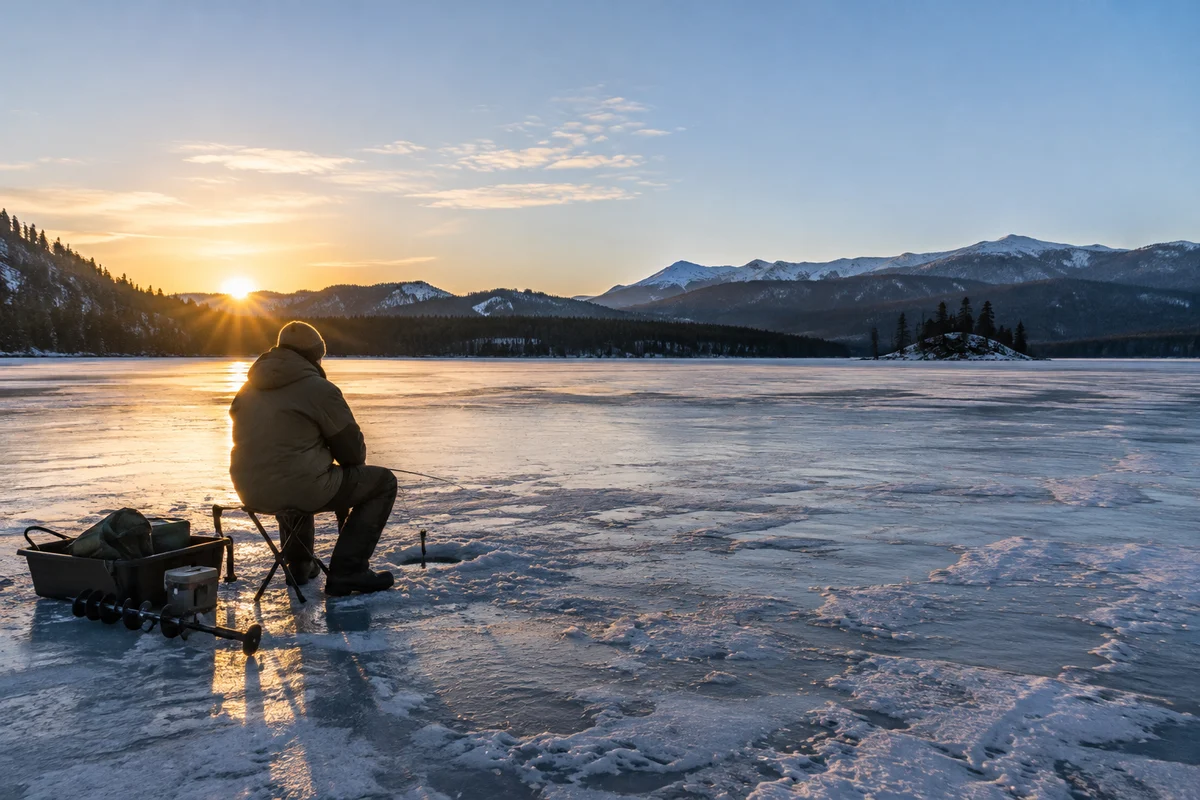
A fish trap clam shelter can make a long ice-fishing day more comfortable by cutting wind and giving anglers a protected place to organize gear. But a shelter is only one part of a safe outing: model details vary, conditions change quickly, and no insulated fabric makes questionable ice safe. Before choosing a Clam Fish Trap-style shelter, confirm the exact model’s dimensions and features with the manufacturer, then plan for transport, ventilation, weather, and a quick exit.
What does “Fish Trap Clam” refer to?
The phrase often describes Clam’s Fish Trap family of portable ice-fishing shelters, including thermal-style models. It is not enough to identify a specific version. Product names, configurations, and specifications can differ by model and may change over time, so verify the label and consult current manufacturer information rather than relying on an old listing or a similar-looking shelter.
Treat “thermal” as a description of shelter fabric or construction, not a promise of a particular temperature inside. Insulation can slow heat loss, but comfort still depends on wind, outside temperature, moisture, occupant activity, ventilation, and the safe use of any heater. The shelter also does not replace appropriate clothing, emergency communication, or a plan for leaving the ice.
How should you choose a model?
Start with the number of anglers and the way you fish. A compact shelter may suit one person who moves frequently; a larger model may offer more room for companions, holes, and equipment but can take more space to transport and position. Check the manufacturer’s current capacity guidance and compare the usable floor area—not just a broad product-family name—to your actual setup.
Before committing, verify these details in the current product documentation:
- Packed dimensions and weight, including what you will carry separately.
- Deployed footprint and interior clearance for seated fishing and moving around holes.
- Whether seats, travel cover, anchors, poles, or other accessories are included or separate.
- Fabric and frame care instructions, plus any stated limits on wind or weather use.
- Compatibility with your vehicle, sled, storage space, and chosen fishing equipment.
Do not assume that two shelters with similar names share the same dimensions, accessories, or construction. If a detail is not listed clearly, ask the manufacturer or an authorized retailer to confirm it for the exact model and product identifier. For a broader look at more outdoor coverage, compare shelter choices with the rest of your ice-fishing setup.
What should you plan before setting up?
Check local ice and weather information, access rules, and any area-specific requirements before leaving home. Ice thickness is not uniform: currents, springs, inlets, outlets, vegetation, snow cover, and changing temperatures can create weak areas close to apparently solid ice. There is no single thickness figure that guarantees safety everywhere.
Bring appropriate flotation, ice picks worn where you can reach them, a charged phone in a protective case, and a communication plan. Tell someone where you are going and when you expect to return. Travel with a companion when possible, maintain distance when conditions warrant, and turn back if the route or ice is uncertain. A shelter should be placed only after checking the site and considering how wind, snow, and nearby hazards may change.
Keep a clear path to the exit. Arrange the shelter so the door is not blocked by a sled, tackle, or a second angler’s equipment. Identify a route back to shore before settling in, and avoid letting a comfortable interior encourage you to ignore worsening weather or deteriorating ice.
How can you stay warm without creating new hazards?
Dress in layers that remain useful when damp, with insulated footwear, warm gloves or mittens, and spare dry clothing protected from snow and water. Adjust layers before sweating heavily; moisture trapped against the body can make a later pause uncomfortable. A seat and a dry place for gloves can help, but neither substitutes for clothing suited to the conditions. If footwear is part of your planning, see this overview of ice armour boots and check the exact product’s current fit and care information.
Use a heater only as its manufacturer directs, on a stable surface and with the clearances specified for that device. Never use a fuel-burning heater in a sealed space. Maintain ventilation, keep fabric and loose gear away from hot surfaces, and use a working carbon-monoxide alarm where appropriate to the device and guidance. Headache, dizziness, nausea, weakness, or confusion can indicate carbon-monoxide exposure or another emergency: get everyone into fresh air and seek emergency help. Do not sleep with a fuel-burning heater running.
A thermal shelter can retain moisture as well as warmth. Ventilation helps manage condensation, and a damp shelter should be dried fully after the trip. Do not block vents to chase a small comfort gain; safe air exchange matters more.
How do you organize tackle and fishing space?
Keep the floor and doorway uncluttered. Put frequently used tools in a fixed, reachable place, secure sharp hooks, and store small tackle so it cannot scatter when the shelter shifts. Separate wet gear from dry layers. A compact tackle plan also reduces the time the door stays open in wind. These ideas pair well with a simple ice-fishing tackle storage solution: organize around the lures and tools you use, rather than carrying every box you own.
If you use sonar or electronics, protect batteries and cables from water and avoid placing cords where someone may trip. Keep holes and open water clearly visible to everyone in the shelter. If fishing with a partner, agree on where each person will sit and how to move around holes before lines are in the water. For lure selection, this guide to jigs for ice fishing offers a starting point; match tackle to local regulations, target species, and conditions.
What common mistakes should you avoid?
The first mistake is treating a shelter’s insulation as a safety system. It does not assess ice, stop a storm, or prevent carbon-monoxide exposure. The second is buying by family name alone and discovering that a particular version does not fit the vehicle, storage area, or number of anglers. Confirm specifics for the exact model.
Other avoidable problems include leaving anchors or tools behind, setting up before checking the immediate area, using a heater without following its instructions, and packing a wet shelter for long-term storage. Before leaving, account for people and gear, collect line and tackle, and check that no equipment or waste remains on the ice. Back at home, follow care directions and dry fabric and components thoroughly before storage.
Is a portable thermal shelter right for your trip?
A portable thermal shelter is most useful when its space, weight, and setup suit the way you travel and fish. For frequent moves, quick deployment and manageable transport may matter more than extra floor area. For a stationary day with a partner, room to move and organize equipment may be more important. In either case, the right choice is the one whose verified specifications fit the outing—not the one with the most confident-sounding product description.
Keep the shelter part of a larger plan: check current local conditions, carry appropriate safety equipment, protect yourself from cold and moisture, ventilate properly, and leave when conditions deteriorate. Those habits matter more than any fabric label, and they make an ice-fishing shelter a useful comfort rather than a reason to take extra risks.
FAQ
Does “thermal” mean a shelter is warm enough without additional precautions?
No. Thermal construction may reduce heat loss, but comfort depends on conditions, clothing, moisture, and safe ventilation. Follow the shelter and heater manufacturers’ instructions and dress for exposure outside the shelter.
Can a portable shelter make unsafe ice safe?
No. Ice conditions can vary over short distances and change with weather, currents, and other local factors. Check local guidance, use appropriate safety equipment, and do not proceed when conditions are uncertain.
How do I confirm the specifications of a Fish Trap model?
Use the current product documentation for the exact model and product identifier. Confirm dimensions, packed weight, included accessories, care instructions, and any stated use limitations with the manufacturer if information is unclear.
Frequently asked questions
Does “thermal” mean a shelter is warm enough without additional precautions?
No. Thermal construction may reduce heat loss, but comfort depends on conditions, clothing, moisture, and safe ventilation. Follow the shelter and heater manufacturers’ instructions and dress for exposure outside the shelter.
Can a portable shelter make unsafe ice safe?
No. Ice conditions can vary over short distances and change with weather, currents, and other local factors. Check local guidance, use appropriate safety equipment, and do not proceed when conditions are uncertain.
How do I confirm the specifications of a Fish Trap model?
Use the current product documentation for the exact model and product identifier. Confirm dimensions, packed weight, included accessories, care instructions, and any stated use limitations with the manufacturer if information is unclear.
Sources & further information
Consult these primary sources for current regulations, technical information and local guidance.