Ice Armour Boots: How to Choose Insulated Footwear for Ice Fishing
A practical guide to evaluating insulated ice-fishing boots, with a focus on fit, warmth, traction, and the limits of any product description.
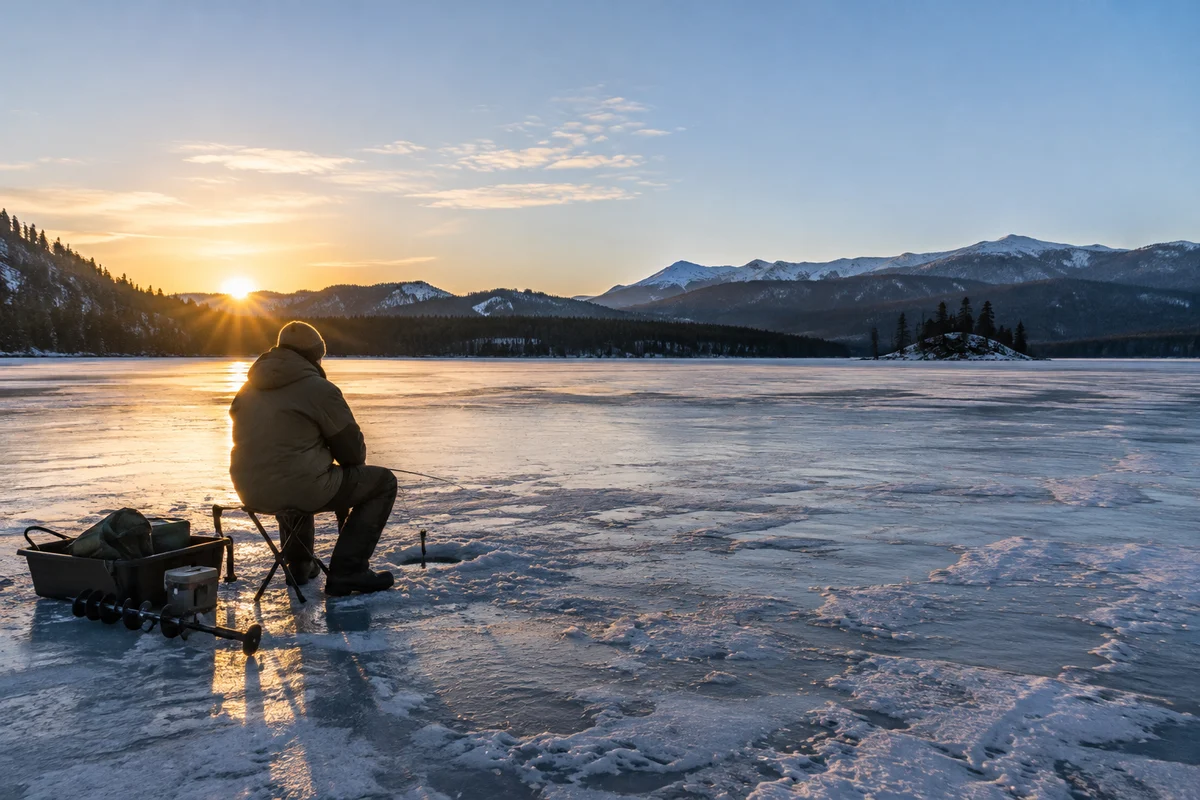
Ice armour boots can look like a straightforward answer to cold-weather fishing, but a warm boot is only one part of staying comfortable on the ice. The Clam IceArmor Men’s Onyx 1000G Insulated Boot name signals a heavily insulated product, yet the name alone does not establish its fit, construction, traction, or performance in your conditions. Treat it as a starting point: check current manufacturer information, match the boot to your activity and layering system, and plan for wetness and changing temperatures.
What does “1000G” tell you—and what does it not?
The product name includes “1000G,” commonly used in footwear to describe an insulation weight category. That label is not a temperature rating, and it cannot tell you how warm a particular person will feel. Warmth also depends on boot fit, the sole and upper, wind exposure, moisture, how long you stand still, and individual circulation.
Before relying on a specific specification, consult Clam’s current product information or contact the manufacturer. Product details can change, and an older name or listing may not describe a current version. Confirm the insulation description, materials, closure system, and care guidance rather than assuming the name provides a complete spec sheet.
Think about the day you actually fish. A person walking between spots generates more heat than someone sitting for hours in a shelter. A boot that feels roomy while walking may feel different with thick socks, and an overly tight fit can limit circulation. The useful question is not simply how much insulation is named, but whether the complete boot-and-sock combination leaves enough space and keeps feet dry.
How should you assess fit for ice fishing?
Try boots on with the socks you expect to wear outside. Your toes should have room to move, and your heel should not slip excessively when you walk. Check the fit while standing and bending your knees, not just while seated. If the boot presses across the top of the foot or pinches when you add a liner sock, it may be too tight for a long cold session.
Avoid assuming that extra sock layers always add warmth. Compressing the foot can make the setup less comfortable and may impede circulation. Start with a moisture-managing sock that fits without bunching; add a compatible layer only if the boot still has room. Carrying a dry spare pair is a practical backup when slush, snow, or sweat dampens the first pair.
Also test the fastening system with gloves on. Laces, buckles, or other closures should be manageable without leaving large gaps, and the boot opening should work with the snow pants or bibs you wear. A secure overlap helps keep loose snow from entering, but no closure makes a boot waterproof unless the manufacturer specifically describes it that way.
What matters for traction on ice and snow?
Traction depends on the outsole design and the surface beneath you. Packed snow, wet slush, polished ice, and rough frozen ground do not provide the same grip. Read the manufacturer’s description, inspect the tread, and consider whether removable traction devices are appropriate for your route and local rules. Do not treat a rugged-looking sole as a guarantee against slipping.
Walk deliberately, keep your hands available for balance, and avoid carrying loads that block your view of the surface. Conditions can change around pressure ridges, shorelines, access points, and areas with current. Check local ice reports and follow local guidance; footwear does not make uncertain ice safe. If you are unsure about conditions, stay off the ice.
For a longer session, think through how your footwear works with the rest of your setup. A shelter can reduce wind exposure but does not remove the need to manage damp clothing or changing conditions. For context on shelter choices, see this overview of the Clam Fish Trap X2 thermal ice-fishing shelter. The right shelter and boot serve different purposes, and neither substitutes for sound ice-safety decisions.
How do you keep feet warm without trapping moisture?
Moisture is a common reason feet become uncomfortable. Sweat can build up during a walk to a spot, then chill when you settle down. Adjust layers before you become overheated, and use breaks to check whether socks or liners are damp. If you can, air out footwear between outings and follow the care instructions for the specific materials.
Let boots dry thoroughly after a trip, away from direct high heat unless the manufacturer says otherwise. Excessive heat can damage materials or adhesives. Remove insoles if the product guidance allows it, and dry them separately. Store boots in a ventilated place rather than sealing damp footwear in a bag or vehicle for an extended period.
A simple field routine helps: bring dry socks in a waterproof bag, keep spare layers accessible, and change promptly if your feet get wet. If numbness, unusual pain, or persistent loss of sensation develops, get out of the cold and seek appropriate medical help. Do not use discomfort as a test of how much exposure you can tolerate.
What should you verify before relying on a product listing?
Check the exact model name and current manufacturer details, especially if a listing appears dated or lacks clear images. Look for the intended use, available sizing, insulation description, sole design, waterproofing claims, care instructions, and warranty terms. If a feature is important but not stated, ask the manufacturer rather than inferring it from a product title.
Pay attention to whether sizing guidance refers to foot length, an insole measurement, or a general size chart. Compare measurements with footwear you already wear comfortably, while allowing room for the socks you plan to use. If possible, try the boot indoors before an outing and confirm the return conditions with the seller; do not assume fit from a label alone.
For ice-fishing gear that complements footwear, browse jigs for ice fishing and consider how much equipment you plan to carry. Gear organization and mobility matter: a long walk with an overloaded sled can turn a comfortable boot into a tiring choice. Match the boot’s weight and flexibility to your typical access route, not just the time spent in the fishing spot.
How should you decide whether this boot suits your routine?
Make a short checklist based on your own use: how far you walk, whether you fish from a shelter, the socks you wear, how wet the access route gets, and whether you need to use traction devices. Compare those needs with confirmed product information. If the exact Onyx model’s details are unavailable, avoid filling the gaps with assumptions; ask Clam or choose footwear whose specifications are clear.
Finally, test the complete setup on a short, low-risk outing before depending on it for a long day. Notice whether the fit changes after walking, whether your feet stay dry, and whether the outsole feels suitable for the surfaces you encounter. Keep a spare layer and a route plan. For more ice-fishing coverage, explore practical gear and safety topics alongside footwear.
FAQ
Does “1000G” mean a boot is rated to a particular temperature?
No. The label is not by itself a standardized temperature guarantee. Warmth varies with fit, activity, moisture, exposure, and the full boot construction. Confirm the exact product information with the manufacturer.
Should ice-fishing boots fit tightly to keep heat in?
They should feel secure without squeezing. You need room to move your toes and wear the socks you intend to use; a cramped fit can be uncomfortable and may limit circulation.
Can insulated boots make questionable ice safe to cross?
No. Boots do not assess ice strength or make unsafe ice safe. Follow local conditions and guidance, use appropriate safety practices, and stay off ice when its safety is uncertain.
Frequently asked questions
Does “1000G” mean a boot is rated to a particular temperature?
No. The label is not by itself a standardized temperature guarantee. Warmth varies with fit, activity, moisture, exposure, and the full boot construction. Confirm the exact product information with the manufacturer.
Should ice-fishing boots fit tightly to keep heat in?
They should feel secure without squeezing. You need room to move your toes and wear the socks you intend to use; a cramped fit can be uncomfortable and may limit circulation.
Can insulated boots make questionable ice safe to cross?
No. Boots do not assess ice strength or make unsafe ice safe. Follow local conditions and guidance, use appropriate safety practices, and stay off ice when its safety is uncertain.
Sources & further information
Consult these primary sources for current regulations, technical information and local guidance.