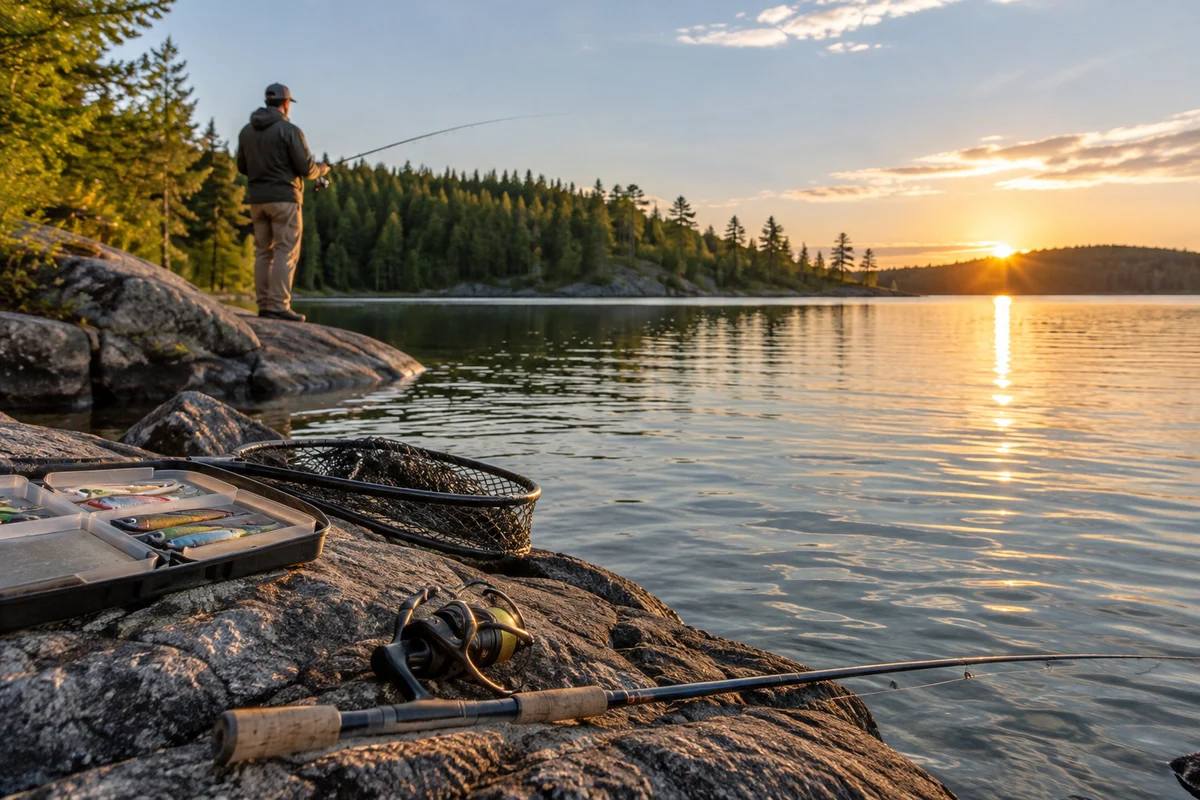
Joe Holland Fishing: How to Learn From an Angler’s Approach
A useful way to approach a fishing episode is to focus less on a dramatic catch and more on the decisions behind it. Here are durable lessons any angler can apply.
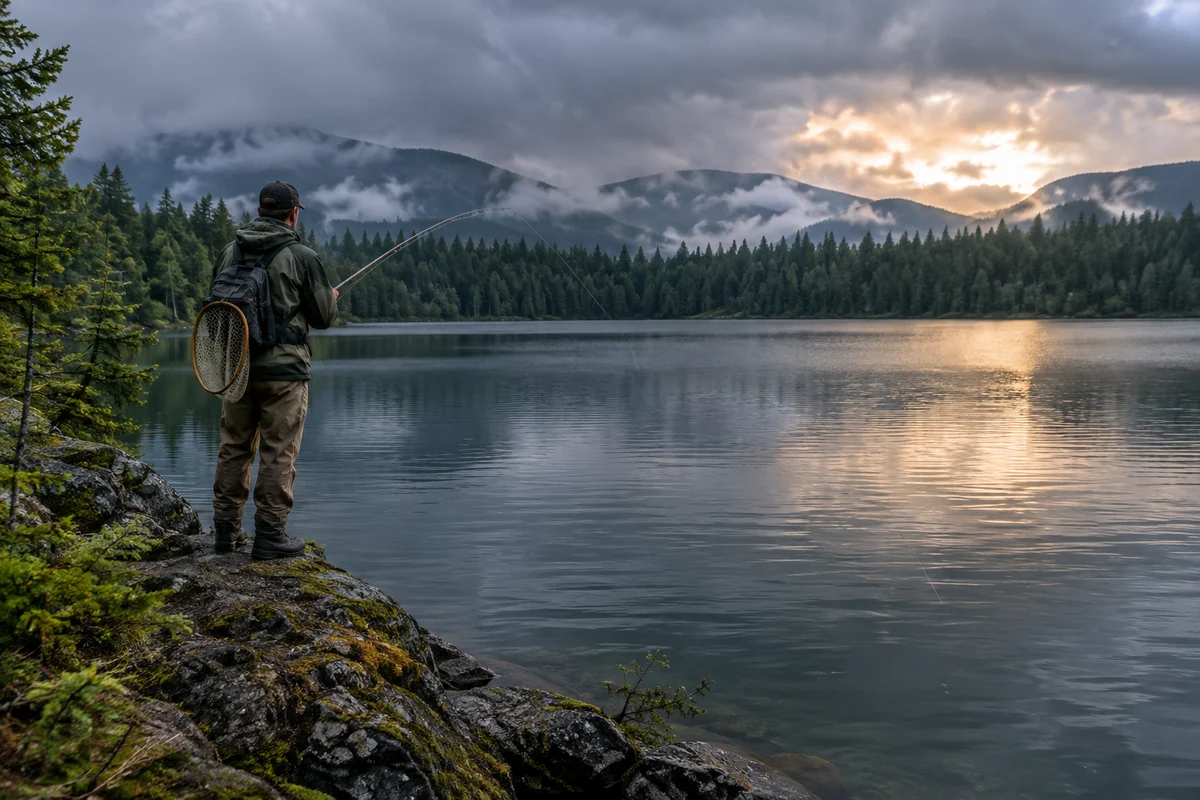
A title such as “Average Joe: Episode 1 — Joe Holland fishing” invites a simple question: what can an everyday angler learn from watching someone fish? Without treating a program title as evidence of a particular catch, location, or personal history, the most useful answer is to pay attention to the process. Joe Holland fishing can be a starting point for thinking about observation, preparation, changing conditions, and how to make an outing worthwhile even when the fish do not cooperate.
An episode is entertainment as well as instruction, so it helps to separate what is shown from what can be applied. A memorable moment may depend on a particular waterbody, season, or fish behavior that viewers cannot reproduce. The transferable lessons are more modest: arrive prepared, notice what the water is telling you, make one change at a time, and treat the resource with care.
What can an angler learn from a fishing episode?
Watch for decisions, not just outcomes. Where does the angler begin? Does the approach change after a period without action? Is attention paid to wind, current, depth, cover, or baitfish? Those questions turn a viewing experience into a framework for your own day on the water.
Avoid assuming a tactic worked simply because it appeared shortly before a catch. Fishing shows compress time, and an edited sequence cannot establish that one lure, location, or presentation caused a result. Instead, note the conditions and the choice made, then test an idea carefully in a setting where it is legal and appropriate.
A practical viewing note can be brief: conditions observed, initial approach, adjustment, and outcome. On your next outing, compare those notes with your own water. This keeps the focus on learning rather than copying a scene without context.
How should you prepare for a day on unfamiliar water?
Start with regulations and access. Check the current rules for the specific waterbody, including season dates, allowable methods, limits, and any special restrictions. Confirm that you have permission to enter or launch. Rules can differ across nearby waters, and a general online discussion is not a substitute for the relevant agency’s current guidance.
Then plan for conditions rather than a hoped-for catch. Review the forecast, wind, water temperature if available, and likely changes during the outing. Bring suitable clothing, water, a charged communication device, and basic first-aid supplies. If boating, wear a properly fitted personal flotation device and follow local boating requirements. For a shore outing, identify safe footing and a way to leave if weather or water conditions deteriorate.
A small, organized tackle selection is often more useful than a large assortment. Choose a few presentations that fit the likely depth, cover, and target species. Keep hooks secured, carry a way to remove them safely, and avoid bringing gear you cannot use responsibly. For equipment-selection questions, this overview of Abu Garcia Villain rods offers a reminder to compare intended use and manufacturer information rather than assuming any one setup suits every angler.
What should you observe before changing tactics?
Give the water a deliberate look before casting. Wind can push surface food and influence where fish hold. Current may concentrate activity near seams or structure. Shade, vegetation, submerged wood, drop-offs, and changes in bottom contour can all be clues, but none guarantees fish are present.
Make a reasonable first choice based on those observations. If it is not productive, change one variable at a time: presentation, depth, speed, or location. When several things change together, it becomes difficult to learn what mattered. Keep a simple record of the time, conditions, and adjustments; patterns become more apparent across multiple outings than in one session.
Do not overread a single strike or quiet stretch. Fish move, conditions shift, and an angler’s position may limit what can be observed. A useful decision is sometimes to move on, but do so with attention to access, habitat, and other people using the water. Avoid trampling bankside vegetation or disturbing nesting and spawning areas.
How can you make an outing productive when fish are scarce?
Set a goal that does not depend entirely on catching a fish. You might practice accurate casting, learn a stretch of shoreline, identify safe access points, or improve knot and tackle organization before you arrive. These objectives make a slow day informative rather than a failure.
If you fish a new species or unfamiliar water, learn the identification rules before keeping anything. Some fish can be difficult to distinguish, and local regulations may require release or impose special handling rules. When uncertain, take a clear look without unnecessary delay and release the fish carefully. Wet hands, minimal air exposure, and support for the body can reduce avoidable stress. Use barbless hooks where appropriate and legal, and carry tools that let you remove a hook without prolonged handling.
Responsible choices matter beyond the fish. Pack out line, hooks, bait containers, and food wrappers. Do not move live bait or fish between waters unless rules explicitly allow it; transport can spread invasive species and disease. Anglers interested in broader conservation questions can read about the Arkansas snakehead issue as a case for checking local guidance and understanding why species management is specific to place.
How do you judge a record or a dramatic catch claim?
Treat a headline, episode title, or social post as a lead—not verification. A record claim needs a clearly identified species, documented weight or measurement, a stated method of verification, and the rules of the record-keeping organization. Different registries may use different eligibility standards. An impressive fish is not automatically a recognized record.
Species identification is especially important for fish with similar appearances. A reliable record account should explain how the fish was identified and measured, rather than relying only on a caption. Compare claims with the relevant registry or wildlife agency, and distinguish a verified entry from an anecdote or an informal local report. The International Game Fish Association provides information on its record program and eligibility framework; its standards should not be assumed to cover every claim or registry.
The same caution applies to edited video. A sequence may be genuine while leaving out elapsed time, conditions, or context. It is fine to enjoy a dramatic catch while reserving judgment about what it proves. That habit keeps fishing discussion fair to anglers and useful to readers.
How can you take useful notes after the trip?
Record a few facts soon after the outing: waterbody or general area, weather, water conditions, time spent, presentations tried, and any observations about fish or forage. Avoid publishing sensitive locations if sharing them could lead to crowding, trespass, or pressure on a vulnerable fishery. Notes need not be elaborate; consistency is what makes them valuable.
Review the record before repeating a tactic. If a presentation worked only in a particular combination of wind, depth, and cover, that context matters more than the lure name alone. If nothing worked, note what you learned about access, conditions, or fish identification. This turns experience into a better question for next time.
The strongest lesson to take from Joe Holland fishing is not a promise of a catch. It is a practical way to pay attention: observe first, prepare for the conditions, make measured adjustments, follow the rules, and leave the water in good shape. For more freshwater fishing tips and outdoor coverage, use the hub as a starting point and check local regulations before your next trip.
Frequently asked questions
Does an episode title verify a specific catch or fishing record?
No. A title alone does not document a catch, species, location, weight, or record status. Verify record claims through the relevant registry and distinguish them from anecdotes or edited video.
What should I do when a fishing tactic is not working?
First reconsider conditions and location. Then change one factor at a time—such as depth, speed, presentation, or position—so you can learn from the result. Follow local rules and avoid damaging habitat while moving.
Where can I check fishing regulations?
Use the official wildlife or fisheries agency responsible for the waterbody, and confirm that the information applies to the exact location, species, and date. Regulations and special restrictions can vary between nearby waters.
Sources & further information
Consult these primary sources for current regulations, technical information and local guidance.