Hog Hunting Tips: Plan a Safer, More Effective Hunt
A thoughtful hog hunt starts with current regulations and permission, then rewards careful sign-reading, patient decisions, and a plan for safe field handling. Use this guide to prepare without assuming hogs, habitats, or local rules are the same everywhere.
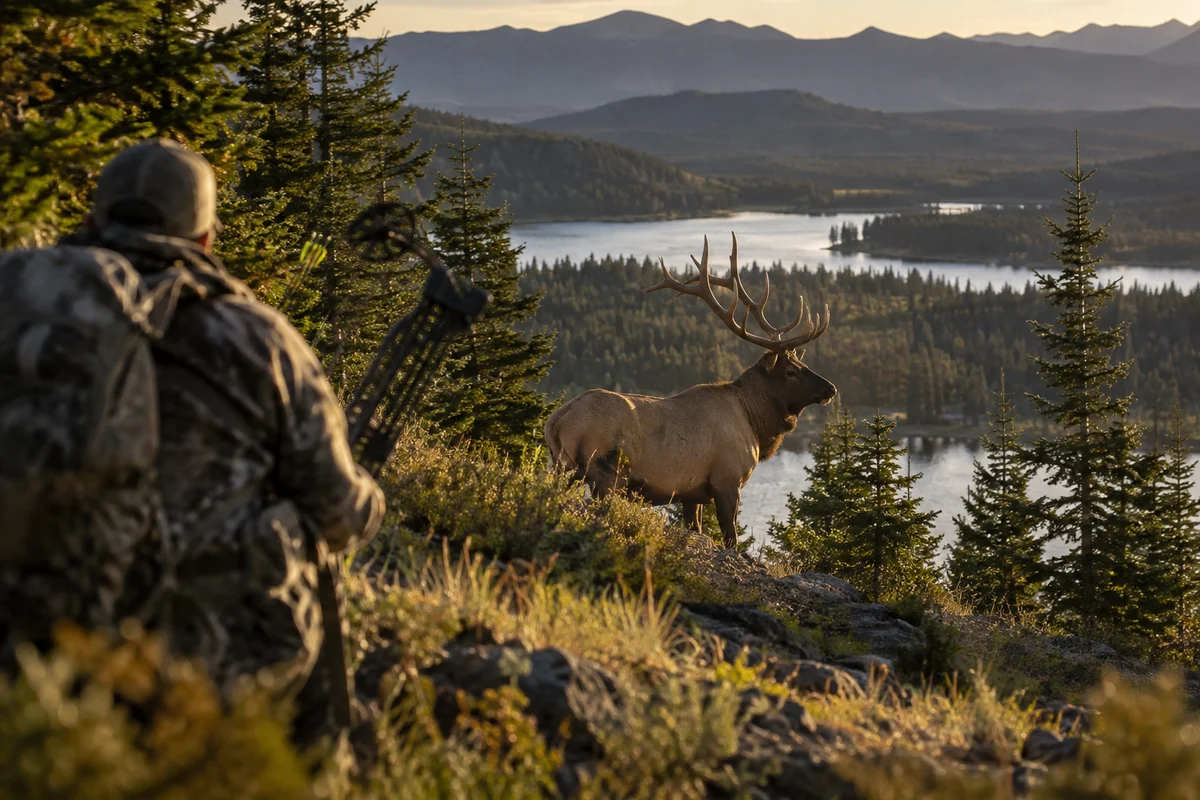
Hog hunting tips are most useful when they begin before you reach the field: learn the local rules, secure access, and make a plan for identifying a safe opportunity. Wild pigs use varied habitats and can change their patterns with food, weather, pressure, and disturbance, so no single tactic works everywhere. Treat each outing as a process of observation and sound judgment—not a guarantee of seeing animals.
What makes hog hunting different from other big-game hunting?
Wild pigs are adaptable, and their activity can shift as conditions change. Rooted ground, tracks, trails through cover, and other fresh sign may help you understand where animals have recently traveled, but sign is evidence of past activity, not a promise that pigs will return on a schedule. Muddy wallows or feeding areas can be useful clues; assess them from a distance and avoid disturbing a site simply to force an encounter.
The landscape matters as much as the animal. Dense cover may limit visibility, while open ground can make safe identification easier but leave fewer concealed approaches. Wind, visibility, terrain, and nearby people or livestock all affect whether a location is appropriate to hunt. Start with the broader big-game hunting hub for more context on planning hunts around species and setting.
How do you scout for fresh sign without overreading it?
Begin by learning the property or permitted area in daylight. Note access routes, boundaries, fences, water, dense cover, and places where visibility changes abruptly. Look for a pattern of sign rather than focusing on one mark: multiple tracks, repeated trails, and fresh rooting in the same general area provide more context than an isolated disturbance. If you cannot tell whether sign is fresh, record where you found it and compare on a later visit rather than guessing.
Use maps and lawful observation to keep track of where you have been. A simple field note can include the date, general weather, wind direction, sign observed, and whether the area showed disturbance. Do not assume that a trail camera or electronic device is legal in every place or season; check the applicable rules first. Keep scouting from turning into repeated pressure on one small area, since your visits can alter animal movement and make observations less useful.
Which rules and permissions should you confirm first?
Regulations differ by state, season, land type, and sometimes county or management area. Confirm whether a license, permit, season, method restriction, reporting requirement, or special boundary rule applies. Also check rules for transport and carcass handling. Official agency pages are the place to verify current requirements: start with Texas Parks and Wildlife Department or the Florida Fish and Wildlife Conservation Commission if hunting in those states, and use the wildlife agency for the actual jurisdiction where you plan to hunt.
On private land, get clear permission from the owner or authorized manager and understand exactly where the boundaries lie. On public land, check the managing agency's access rules, closures, allowed methods, and safety zones. A landowner's permission does not replace state rules, and a general public-access map does not necessarily mean every activity is allowed. If a boundary or regulation is unclear, resolve that before hunting rather than making a field assumption.
How should you choose a method and prepare your equipment?
Choose a lawful method that fits the terrain, your experience, and the visibility you can expect. The important question is not which tool is most powerful; it is whether you can identify the animal, maintain a safe direction, and make a responsible decision under the conditions. Review equipment handling and safe-use guidance before the trip, and do not use a method that you cannot operate safely or confidently.
For hunters considering firearm choices, general factors such as fit, handling, sighting system, and the intended lawful use matter more than a headline claim. Our overview of considerations for a wild boar rifle can help frame those questions; it is not a substitute for training, manufacturer instructions, or local regulations. Similarly, a Savage 110 High Country overview is a model-specific topic, not a recommendation that one rifle suits every hog hunt. Check the relevant manufacturer documentation for details that may vary by configuration.
Pack for the actual outing: appropriate clothing, water, a charged communication device, navigation, a first-aid kit, and any required safety equipment. Tell someone your plan and expected return. Before leaving, check the forecast and access conditions; postpone if poor visibility, hazardous weather, fatigue, or an uncertain route would make safe decisions harder.
What makes a shot opportunity responsible?
A responsible opportunity begins with positive identification and a clear view of the animal and what lies beyond it. Dense vegetation, uneven ground, livestock, other hunters, buildings, roads, and property boundaries can all remove an otherwise tempting opportunity. If you cannot confidently determine the target, direction, and safe background, do not take the shot. Patience is a practical safety tool, not wasted time.
Stay within your training and the limits of your equipment. Avoid hurried shots at moving animals or through cover that obscures what you are aiming at. Follow the handling and safety rules taught in recognized hunter education, and keep the muzzle pointed in a safe direction. A partner should know the plan and understand where each person will be; do not assume they can see what you see. If communication or visibility breaks down, pause and regroup instead of pressing on.
After a shot, give the situation careful attention. Do not rush toward an animal or enter thick cover without first considering safety, visibility, and the possibility that the animal may still be moving. If you are uncertain about what happened, proceed only in a way consistent with your training and local guidance. Respect other hunters' space and communicate clearly when anyone is nearby.
How do you handle a harvested hog responsibly?
Before the hunt, decide how you will handle a harvest and whether you have the time, help, equipment, and transport to do it properly. Field care can be demanding, particularly in warm weather or remote terrain. Bring clean tools and protective supplies suited to the task, keep food-contact items separate from dirty gear, and follow local wildlife-agency guidance for carcass handling and transport. If conditions make prompt, sanitary care impractical, reconsider the plan before starting the hunt.
Use care to avoid cross-contaminating meat, hands, clothing, and equipment. Keep the carcass cool as soon as practical, and follow recognized food-safety guidance for storage and cooking. Do not rely on appearance or smell alone to decide that meat is safe. Check local rules on moving carcasses or parts, since transport requirements can be designed to address disease concerns and may differ by jurisdiction. A successful hunt includes responsible use of the harvest, not just the moment of taking it.
How can you learn from a hunt when you see no hogs?
A quiet outing can still answer useful questions. Record where and when you found sign, whether wind or weather changed, which routes were easy to access, and where visibility was poor. Separate what you observed from what you guessed: “fresh rooting beside the trail” is a field note; “the group will be here tomorrow” is an unverified prediction. That distinction makes the next scouting decision more grounded.
Review the plan afterward. Were access permissions and boundaries clear? Did the equipment suit the conditions? Was there enough time and support for a possible harvest? Adjust one or two things for the next outing rather than changing everything based on a single day. Sound hog hunting combines local knowledge, legal preparation, patience, and restraint. Those habits make the experience safer and more considered whether or not an animal appears.
Frequently asked questions
What is the first step before a hog hunt?
Check current regulations for the exact location and secure any required landowner permission. Then plan access, safety, equipment, and harvest handling before entering the field.
Does fresh hog sign mean pigs will return soon?
No. Tracks, rooting, and trails show activity but cannot guarantee when or whether animals will return. Record observations and consider changing conditions and hunting pressure.
How can I make hog hunting safer?
Hunt only where permitted, identify the target and what lies beyond it, avoid uncertain shots, communicate plans with partners, and follow hunter-education and equipment-safety guidance.
Sources & further information
Consult these primary sources for current regulations, technical information and local guidance.