Best Lures for Multi Species Fishing: A Simple Field Kit
A compact selection of lures can cover a surprising range of freshwater conditions and fish. Use this field guide to match lure style, size, and retrieve to the water rather than chasing a separate box for every species.
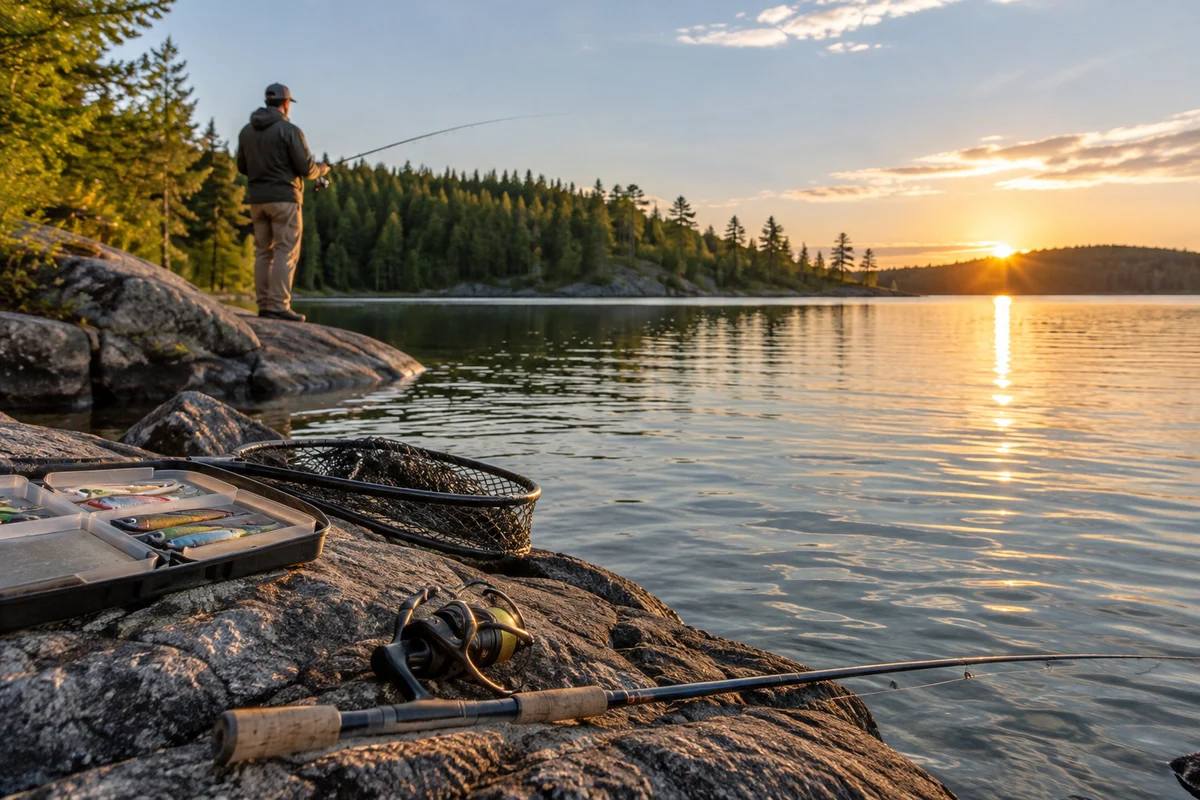
When several kinds of fish share a lake or river, the best lures for multi species fishing are the ones that let you adapt without carrying a tackle shop. A small set of versatile profiles—such as a small jig, a spinner, a shallow-running hard bait, and a soft plastic—can cover different depths, cover, and feeding moods. The right choice still depends on local species, water clarity, season, and regulations, so think in terms of jobs a lure can do rather than a guaranteed list of catches.
This approach is useful for a mixed-bag outing, a new body of water, or a walk along shore with limited space. Start with the forage and conditions you can observe, then change one variable at a time. For additional freshwater fundamentals, visit the freshwater fishing tips hub.
What makes a lure versatile?
A versatile lure is easy to cast, can be retrieved at more than one speed, and can be presented at a useful range of depths. It should also be manageable on the rod and line you already have. Versatility does not mean that one lure is ideal everywhere: a compact spinner may excel when fish are tracking moving prey, while a soft bait can be more useful when they are holding close to bottom or cover.
Prioritize four practical traits:
- A manageable profile: Choose a size that suits the likely forage and the tackle. Smaller offerings are often a sensible starting point when the target species are uncertain.
- A controllable depth: A lure you can keep above weeds, beside a bank, or near bottom gives you more options.
- A retrieve you can vary: Straight retrieves, pauses, and small changes in pace can help you learn what fish respond to.
- Durability and simplicity: Lures that are easy to rig and replace reduce fuss during an exploratory day.
Which small lure styles cover the most situations?
| Lure style | Useful starting situation | What to adjust | Main limitation |
|---|---|---|---|
| Compact jig with soft body | Slow presentation near bottom, edges, or sparse cover | Body shape, jig weight, and lift-and-fall pace | Can snag in heavy cover; choose weight to suit depth and current |
| Inline spinner | Searching open water, shorelines, or current seams | Retrieve speed and blade size/profile | Rotating hardware can twist line; inspect and retie as needed |
| Small shallow-running hard bait | Covering water over weeds or along banks | Pause length, speed, and running depth | Less suitable where fish are deep or the lure catches vegetation |
| Soft plastic on a simple hook or light jig | Changing profile and presentation with minimal tackle | Shape, color, and weight | Rigging and hook exposure must suit the cover and local rules |
These are categories, not product endorsements. Within each, choose a size and construction compatible with your rod, line, target fish, and regulations. For example, a spinner is a useful search lure when fish are active, but repeated casts through thick weeds can make it a poor fit. A jig offers more control at a slower pace, but excessive weight may bury it in soft bottom or snag-prone structure.
How should you choose a lure at the water?
Use a short field decision process instead of changing lures at random.
- Check rules first. Confirm open seasons, legal methods, hook restrictions, protected waters, and any invasive-species requirements with the relevant fish and wildlife agency. Regulations vary by location and species.
- Read the water. Note current, depth, wind, weeds, shade, visible baitfish, and likely holding areas. Look for edges and transitions rather than assuming fish are evenly distributed.
- Start with a search presentation. In open water, try a modestly sized spinner or shallow-running hard bait. Cast across a likely edge and vary speed slightly.
- Slow down when needed. If fish appear inactive or cover is close, try a jig or soft plastic and maintain contact with the area without dragging blindly through snags.
- Change one thing. If the first approach produces no response, alter depth, speed, or profile separately. That makes the result easier to interpret.
The National Oceanic and Atmospheric Administration Fisheries site offers broad background on aquatic resources and fisheries; local state agencies are the essential source for regulations and water-specific guidance. If exploring unfamiliar waters, check access conditions and any special notices as well as fishing rules.
How do you match lure and retrieve to conditions?
Clear water: A natural, restrained profile can look less conspicuous. Make accurate casts and avoid adding unnecessary movement. If fish follow but do not strike, try a pause or a smaller profile before switching to a radically different color.
Stained water or low light: A lure with a distinct silhouette or vibration may be easier for fish to locate. Keep the presentation controlled; visibility is not the same as a reason to fish recklessly or ignore safe footing.
Current: Cast across or slightly upstream when appropriate, then let the lure travel naturally through a seam or behind an obstruction. A lighter lure may drift too quickly, while a heavy one can hang on bottom. Adjust weight to maintain control without repeatedly snagging.
Weeds and wood: A compact or weed-conscious rig may pass cover more cleanly than exposed hardware. Even a lure designed for cover can catch, so retrieve steadily and avoid forcing the rod when snagged. Follow local rules on hooks and tackle.
Uncertain depth: Begin shallow near banks, visible cover, or flats, then probe deeper water if signs suggest fish are holding below. A lure's actual running depth depends on its design, line, cast, and retrieve; consult its manufacturer information rather than assuming a label applies in every setup.
What belongs in a compact multi-species box?
Pack a few different functions rather than several near-duplicates: one or two compact jigs, a couple of soft-body shapes, a spinner, and a small hard bait that suits the water you plan to fish. Bring spare hooks or jig heads where legal, pliers, line cutters, and a way to keep tackle organized. A small selection of colors is usually more useful than a large collection of nearly identical shades.
Before leaving, check that hooks are covered or secured, lures are separated to reduce tangles, and any treble-hook bait is stored safely. Handle fish carefully and use appropriate tools; minimize time out of water when release is intended. The International Game Fish Association provides conservation and angling resources, while local agencies determine current rules and handling guidance for specific waters.
For a related look at equipment choice, see this overview of Abu Garcia Villain rods. If you are deciding how to organize particular lure types, the guide to spinnerbait storage offers a focused tackle-management angle. These topics are useful complements, not requirements for building a simple general-purpose kit.
What are the limits of a multi-species setup?
A general-purpose kit trades specialization for flexibility. It may not cast a very light lure well on heavy gear, reach deep fish efficiently, or present a large bait effectively to a particular predator. Fish behavior can also change quickly with weather, water level, and season. Treat a quiet session as information about location and presentation—not proof that a lure or species is absent.
Keep notes on the conditions, location type, depth, and presentation that drew interest. Over time, those observations can help you tailor a small kit to the waters you actually fish. Avoid assuming that a lure marketed for several species will suit every fishery; check local rules, the tackle maker's specifications, and the conditions in front of you. The most reliable multi-species strategy is adaptable observation, not a magic lure.
Frequently asked questions
What is the best first lure for unfamiliar freshwater?
There is no universal best choice. A compact spinner is a practical search option in open water; use a jig or soft plastic when you need a slower presentation near cover or bottom.
Can one rod handle multi-species fishing?
A medium-light or medium outfit may cover many modest freshwater presentations, but appropriate line, lure weight, and local fish size matter. Follow the rod and reel maker's specifications.
How many lure colors should I bring?
Start with a small selection that gives you a natural-looking option and a more visible silhouette. Depth, retrieve, and location often matter as much as color.
Sources & further information
Consult these primary sources for current regulations, technical information and local guidance.