Early Fall King Salmon Trolling Tactics for Changing Water
As summer conditions give way to fall, king salmon and their forage can shift through the water column. Learn how to use temperature, bait signs, trolling direction, and controlled adjustments to make each pass more informative.
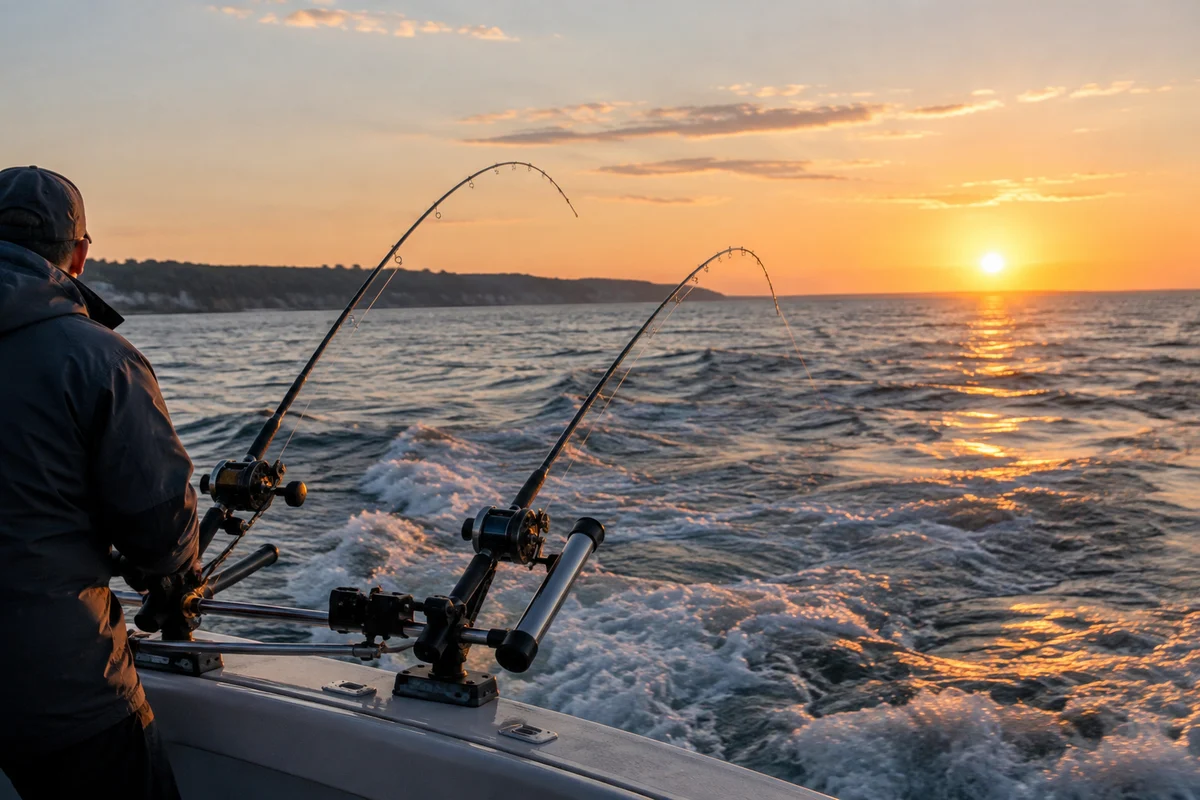
Early fall king salmon trolling tactics work best when they respond to changing water rather than a fixed calendar or a favorite lure. As surface temperatures cool and wind reshapes the lake, salmon and baitfish may shift depth or location. Start by identifying a productive water layer, then make deliberate changes to depth, speed, and direction so each pass gives you useful information. Conditions vary among lakes and years, so treat any pattern as a working hypothesis—not a guarantee.
Where should you start looking in early fall?
Begin with recent conditions: wind direction, the temperature trend, water clarity, and where bait has been observed. A stretch of warm, calm weather can preserve a summer-like temperature structure; a cold front or sustained wind may mix or reposition water locally. Neither a date on the calendar nor a single surface reading tells the whole story.
Use your electronics to compare water temperature at different depths when your equipment allows it, and watch for bait marks and suspended fish. Look for transitions rather than assuming salmon will hold on one contour: a temperature boundary, a change in bottom depth, a current seam, or the edge of a bait concentration can all be worth testing. On a large lake, begin in a manageable area where you can make repeatable passes and safely account for wind and waves.
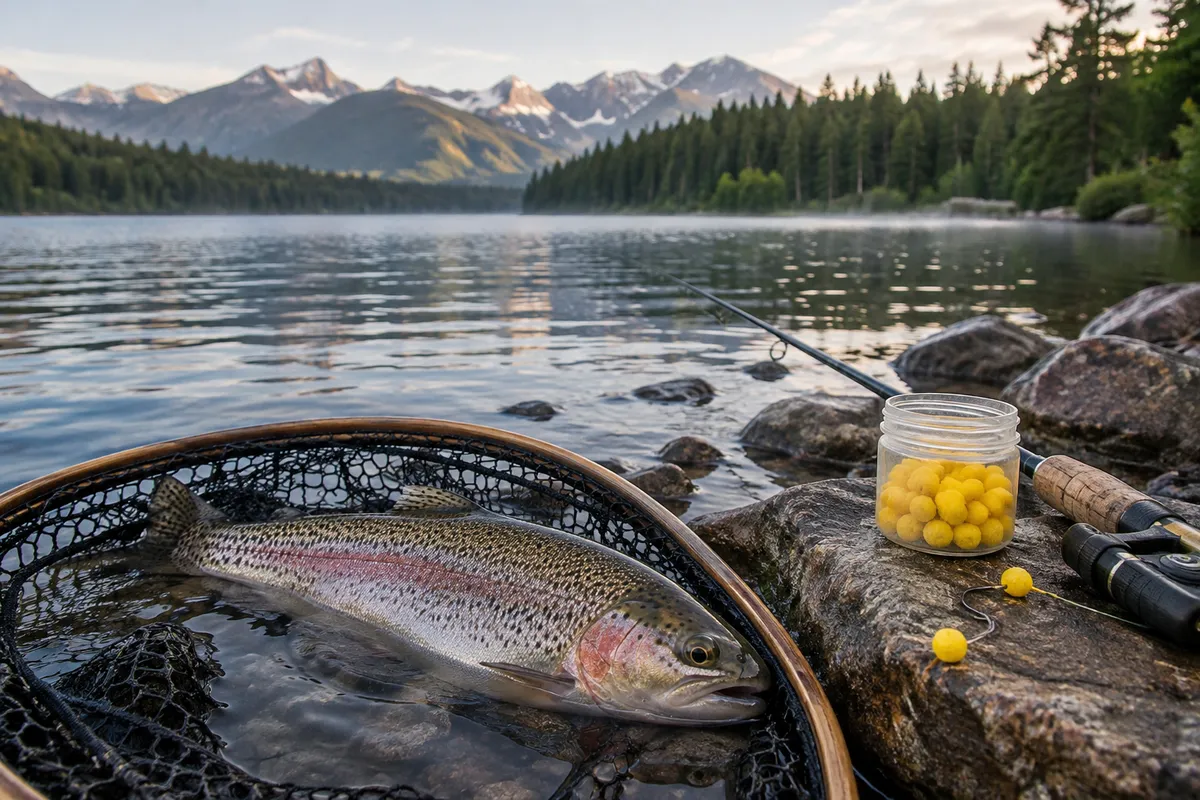
The trout and salmon fishing hub is a useful starting point for related species and techniques. Local fisheries differ, however, so use the relevant state or provincial agency for current seasons, size limits, and water-specific rules before heading out.
How can temperature and bait help set your trolling depth?
Think of depth as a search variable, not a permanent setting. If temperature readings show a distinct layer and bait is concentrated near it, test that zone first. If marks appear above or below the layer, follow the evidence rather than forcing a textbook pattern. In changing fall conditions, fish may move vertically as well as along the lake, and a productive depth at one location may not carry across the entire route.
A downrigger, diver, weighted line, or other presentation can help you cover different depths, but compare actual running depth with the equipment and line setup you use. Speed, line length, lure resistance, and turns affect where a presentation travels. Avoid interpreting a depth display as exact when the setup has not been calibrated or conditions are changing.
If you mark bait but do not contact fish, keep the area in play while changing one variable at a time. Move one line or presentation modestly higher or lower, then allow enough time and distance to judge the result. If bait and fish marks disappear over repeated passes, shift to another nearby transition rather than endlessly changing lures over empty water.
What should a useful trolling spread test?
Build a spread to compare a small number of meaningful differences. For example, vary running depth while keeping lure style and speed similar, or compare two lure actions at roughly similar depths. A spread where every line differs in depth, color, action, and distance may catch a fish, but it makes the reason difficult to identify.
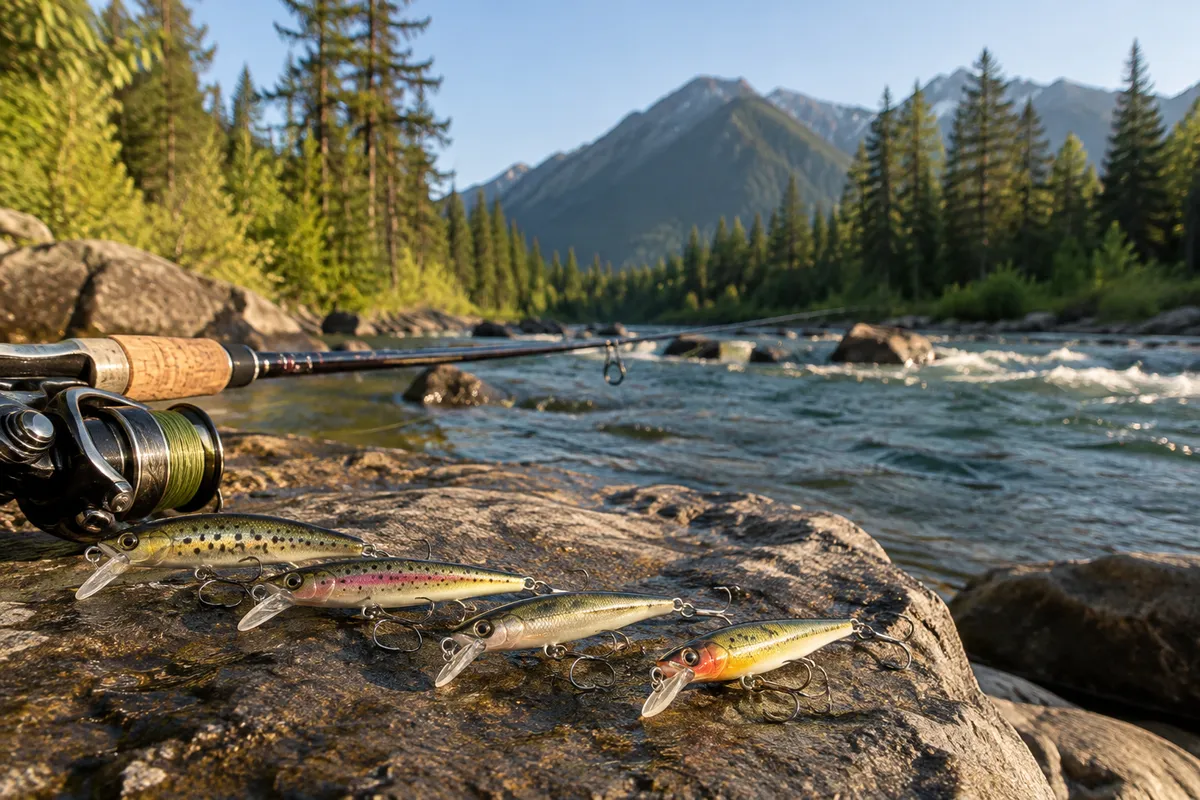
Use presentations that are appropriate for the target species and legal in the water you are fishing. Spoons, plugs, and other common trolling options differ in profile and action; the right choice depends on local forage, visibility, depth, and the way the lure runs at your chosen speed. Check hooks and connections, and make sure each lure tracks cleanly before deploying a full spread. A fouled line or a lure that spins abnormally can undermine the comparison.
Keep a simple record of the useful details: location, depth, temperature if available, speed, lure type, and whether the strike came on a straight run or turn. Notes help distinguish a repeatable clue from a one-off encounter. Salmon fishing has a long history of memorable fish and stories; for a look at that tradition, see the legend of “June hogs” salmon, while treating folklore as context rather than a substitute for present-day observations.
How should you adjust speed and direction?
Choose a steady starting speed that gives your lures the intended action, then check them beside the boat when practical. There is no single speed that suits every lure, line, and condition. If a lure rolls, twists line, or loses its action, correct the setup before using speed as a fishing adjustment.
Once the spread is tracking properly, modest speed changes can help reveal whether fish respond to a slower or faster presentation. Change speed in controlled steps and observe how the lures behave. Turns provide another clue: the inside lines slow while outside lines accelerate, creating a temporary contrast. A strike during a turn may indicate a speed or direction response, but it can also reflect a fish crossing the spread. Repeat the maneuver safely before deciding it is a pattern.
Troll with wind, waves, traffic, and other boats in mind. A route that is effective on a calm morning may be uncomfortable or unsafe after conditions change. Keep a clear lookout, maintain appropriate separation, and follow navigation and boating rules. Fishing efficiency is not worth compromising control of the boat.
When should you stay on a pass or move?
Repeat a route when it has produced a strike, bait marks, or consistent fish activity, especially if you can reproduce the depth and direction. A useful pass follows the feature you are testing without cutting across it at an angle that makes the spread hard to interpret. If a turn crosses the productive area, note where the boat was and whether the inside or outside lines were involved.
Move when several well-controlled passes show no supporting signs, when wind has altered the water, or when the fish and bait marks have shifted. Change one factor at a time where possible: first the line or contour, then the depth range, then the presentation. This preserves what you have learned and prevents a string of unrelated changes from becoming guesswork.
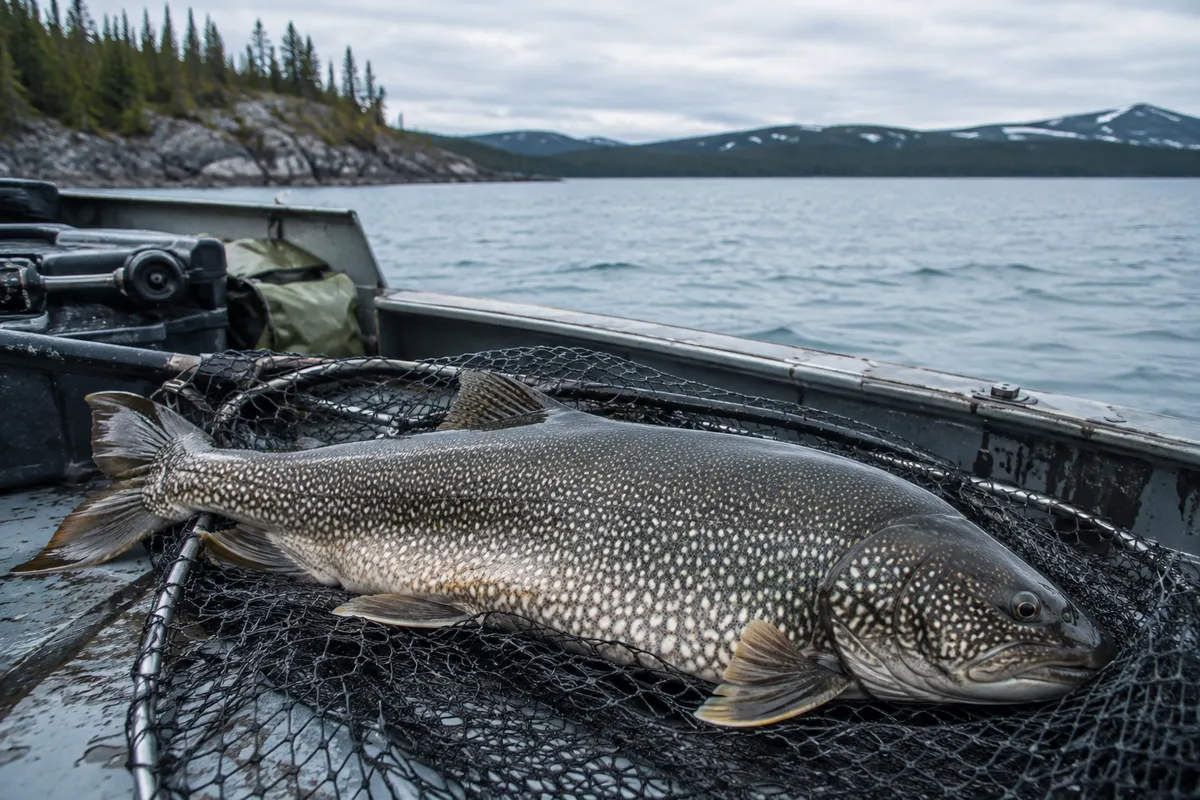
King salmon and lake trout may share broad water, but they are not interchangeable targets. Trolling details must fit the species, location, and conditions; this overview of a large lake-trout catch and record context illustrates why species identity and record verification matter when interpreting a fishery story.
What should you check before launching?
Review the current regulations for the exact waterbody, including open dates, limits, gear rules, and any special restrictions. Salmon fisheries can be managed differently by jurisdiction and season; do not assume rules from a nearby lake or a prior year still apply. The Minnesota Department of Natural Resources provides official state information, and anglers elsewhere should consult the agency responsible for their own water.
Check the marine or lake forecast, bring appropriate safety equipment, and make a plan suited to the boat and crew. Wear a properly fitted life jacket, keep communication and navigation tools usable, and turn back when conditions exceed your experience or equipment. Before setting lines, make a brief plan: identify a first area, a depth range to test, the variables you will compare, and the conditions that would make you move or head in.
The most dependable early-fall approach is a process: locate signs of life, test a controlled spread, note the response, and adjust to the water in front of you. A small set of clear observations will usually teach more than changing everything after every empty pass.
Frequently asked questions
What depth should I troll for king salmon in early fall?
There is no universal depth. Use temperature readings, bait and fish marks, and local conditions to choose a starting layer, then test nearby depths systematically.
Do king salmon move shallower when fall begins?
They may shift depth or location, but the timing and direction vary with the lake, weather, forage, and fishery. Use current observations instead of assuming a calendar-based movement.
How many lure variables should I change at once?
Change one meaningful factor at a time when practical—such as depth or lure action—so you can tell which adjustment may have affected the result.
Sources & further information
Consult these primary sources for current regulations, technical information and local guidance.