The Legend of June Hogs Salmon: Why Big Chinook Capture Anglers’ Attention
“June hog” is informal angler language, not a salmon category or a promise of trophy fish. Learn why early-summer salmon can draw attention, how to plan around local conditions, and how to handle and verify a catch responsibly.
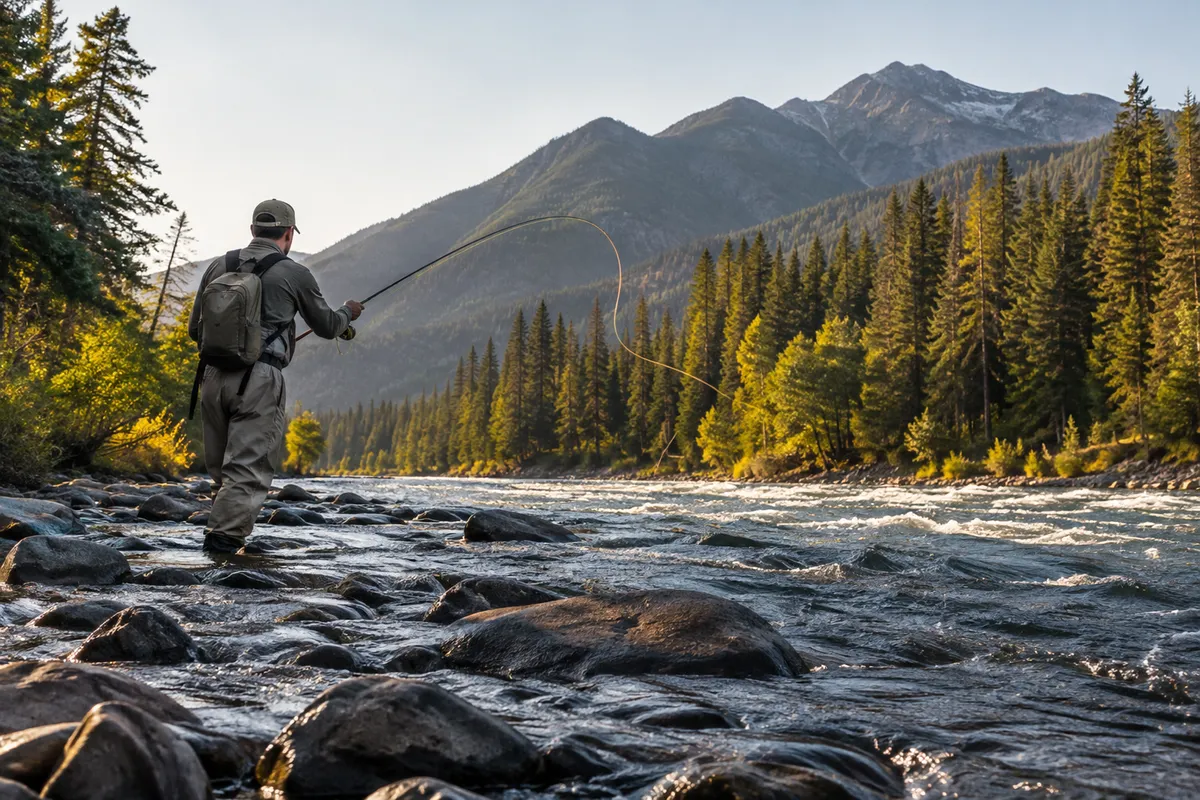
The legend of June hogs salmon is built around the hope of meeting an unusually large salmon during an early-summer fishing window. “Hog” is angler slang, not a scientific category, and June does not bring the same salmon run everywhere. The useful question is not whether a month guarantees a giant, but what species and run are present in a particular place—and what local rules and conditions allow.
That distinction helps separate memorable fishing stories from reliable planning. Salmon species, migration patterns, water conditions, and regulations vary by watershed and year. A sound approach starts with local information, then adapts expectations and fishing methods to the water in front of you. The trout and salmon fishing hub offers more freshwater context, while the principles below help put the phrase “June hog” in perspective.
What does “June hog” mean in salmon fishing?
In everyday fishing talk, “hog” usually signals size, power, or an especially memorable fish. It does not identify a species, a formal size class, or a record category. Anglers may use the phrase for a large Chinook—also called king salmon—or for a notably big salmon of another species, depending on the fishery. Without a location and species, the phrase alone cannot tell you what was caught.
“June” is equally dependent on place. Salmon runs are shaped by the species and population, freshwater and ocean conditions, and the route fish take to spawning habitat. A June opportunity in one river or coastal fishery may not line up with another. Even in a fishery known for early-summer salmon, run timing can shift; a calendar date is a clue to investigate, not a guarantee of fish presence.
This is why a headline or old fishing expression should not be treated as evidence that a specific record exists or that a large fish is typical. For practical purposes, translate “June hog” into three questions: Which salmon species? Which water and run? What rules apply today?
Why can early summer produce memorable salmon fishing?
The appeal comes from opportunity and uncertainty together. In fisheries where salmon are migrating or available to anglers during June, changing water levels, temperature, clarity, and weather can affect where fish travel and how they respond. Those conditions influence the experience, but there is no single June pattern that applies to every salmon water.
Fish size also reflects more than the month. Species, age, population, food availability, and life history all matter, and individual fish differ. A large salmon encountered in June is memorable because it is large—not because the month itself creates a special biological class. Claims about the biggest fish in a fishery need specific, verifiable details rather than a colorful nickname.
Treat reports as prompts for research rather than forecasts. Check the fishery manager’s current notices for season dates, open areas, closures, and any conservation measures. If a report lacks a named water, species, and date, it may still be an entertaining story, but it is weak evidence for planning a trip.
How should you plan for a local June salmon fishery?
Begin with the official regulations for the exact waterbody and the date you intend to fish. Confirm the species that may be retained, permitted methods, season boundaries, size or daily limits where applicable, and any emergency restrictions. Rules can differ between nearby waters and can change in response to conservation needs. A general article cannot substitute for the current rules issued by the responsible agency.
Next, use local fishery updates to understand whether salmon are present and what conditions are changing. Separate firsthand, dated reports from broad claims that a run is “on.” Water level, visibility, and temperature can change quickly; stay within safe conditions and avoid treating another angler’s technique as a universal recipe. If access, boat use, or a particular method is uncertain, check with the relevant land or fishery manager.
For gear and technique, match choices to the species, water, and legal methods rather than chasing the word “hog.” Rod, line, terminal tackle, and lure should suit the fishery and the size of fish reasonably expected there. A useful comparison of how lure action can vary by design appears in this guide to comparing trout minnow lures; it is a general lure-selection discussion, not a salmon-specific prescription. For salmon trolling context, see early-fall king salmon tactics, keeping in mind that its seasonal setting is different from June.
How can anglers distinguish a big fish from a record claim?
A fish can be impressive without being a record. Record systems use defined categories and verification requirements; the rules may distinguish species, location, and how a fish was caught. A photograph or a verbal estimate can document a memory, but it does not by itself establish a recognized record. Do not infer a fish’s weight from appearance, and do not repeat an unverified number as fact.
If a catch may qualify, consult the record organization’s current rules before releasing or retaining the fish. The International Game Fish Association publishes record information and application guidance; its standards determine what documentation a claim requires. Preserve accurate details such as species identification, location, date, measurement or weight documentation, and witnesses if the rules request them. Do not delay safe handling or violate local regulations in pursuit of paperwork.
Species identification matters, too. Chinook, coho, sockeye, and other salmon are not interchangeable record entries, and some fish that anglers casually call salmon belong to different groups. A large lake trout, for example, is not a salmon; the distinction is relevant when reading stories such as this account of a Maine lake trout nearing a state record. Use the agency or record body’s identification criteria when a claim depends on exact species.
What is responsible handling for a large salmon?
Decide in advance whether you are fishing for a lawful harvest or intend to release fish, and understand the rules for both. When release is permitted and chosen, minimize time out of water, keep the fish supported, and avoid unnecessary handling. Wet hands before touching a fish, use suitable tools to remove the hook when practical, and keep the fish in the water while recovering it whenever conditions allow. Follow local guidance for species-specific handling; not every salmon fishery has identical conservation needs.
If harvest is lawful, keep only what you can use and handle the catch promptly and hygienically. Check advisories for the location and species, particularly where consumption guidance is issued. A big fish may be a valuable part of a population, so local limits and selective harvest practices matter beyond the individual catch. When uncertain about a rule, pause and confirm it with the responsible authority rather than relying on a social post or an old report.
Good documentation can preserve the story without overstating it. Record the date, water, species identification, and conditions, and describe measurements as estimates unless they were taken using a recognized process. A clear, respectful photo is better than a dramatic claim with no supporting information.
What should anglers remember about the June-hogs legend?
Keep the phrase in its proper place: it captures excitement, not a forecast. June may be a meaningful salmon period in a particular fishery, but the species, timing, and regulations are local. Check official notices, learn which salmon are present, and let current conditions guide your decisions. Use sound handling practices, respect conservation rules, and distinguish an exceptional catch from a verified record.
That approach does not diminish the appeal of a powerful salmon. It makes the story more useful and credible: a fish identified correctly, caught within the rules, and described with enough context for others to understand what happened. The legend of June hogs lasts best when enthusiasm is matched by accuracy and care.
Frequently asked questions
Is “June hog” an official salmon species or record category?
No. It is informal angler language for a notably large or powerful fish. The phrase does not establish species, size, or record status.
Are large salmon reliably available in June?
No single answer applies everywhere. Salmon timing depends on species, population, and local conditions, so check current information from the fishery manager for the specific water.
What makes a large salmon a recognized record?
The relevant record organization defines the category and verification requirements. Confirm current rules and document species and catch details accurately; a photo or estimate alone may not qualify.
Sources & further information
Consult these primary sources for current regulations, technical information and local guidance.