Lunkerhunt Prop Turtle: How to Fish This Topwater Lure
A practical guide to fishing the Lunkerhunt Prop Turtle, with advice on reading its surface action, choosing conditions, setting up tackle, and responding to strikes.
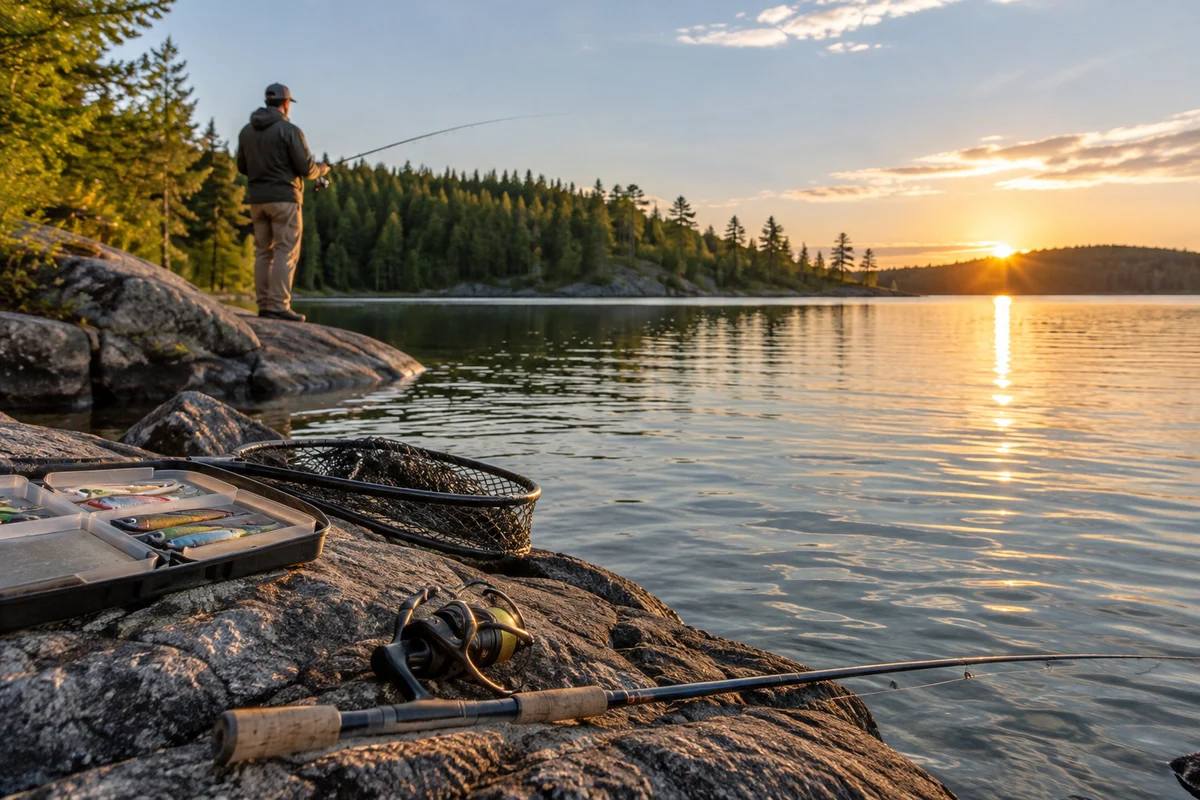
The Lunkerhunt Prop Turtle is a distinctive topwater option for anglers curious about a surface lure with a turtle-inspired profile and prop-style action. The name alone does not establish every version’s size, hardware, or best retrieve, so check the package or manufacturer’s product information for model-specific details. On the water, treat it as a tool for presenting movement and disturbance at the surface: match it to the cover, water conditions, and fish activity, then let the lure’s action—not constant speed—guide your retrieve.
This guide explains how to assess the lure and use it thoughtfully without assuming specifications that may vary by version. For more freshwater techniques, browse the freshwater fishing tips hub.
What kind of lure is the Prop Turtle?
The Prop Turtle is a named topwater lure with a turtle-inspired design. Its prop-style elements suggest a surface presentation built around movement and water disturbance, but exact construction and action should be confirmed for the particular model in hand. Inspect the lure before fishing: note whether its moving parts turn freely, where the hooks sit, how the body floats, and whether its packaging specifies a recommended setup.
That inspection matters because two lures that look similar can behave differently. A prop may start turning only at a certain retrieve speed; a body may sit high or low; and hook placement can affect how the lure moves through vegetation. Do not assume a lure is weedless just because it resembles a soft-bodied frog or turtle. If the manufacturer does not describe it as suitable for heavy cover, fish it where you can retrieve it without forcing it through dense weeds.
Think of the Prop Turtle as a surface-presentation choice rather than a guaranteed fish catcher. It can be worth trying when you want a visible, moving target near the top of the water, especially where bass or other surface-feeding fish are present. Local species, seasons, and regulations vary, so check the rules for the water you plan to fish.
When should you fish a turtle-style topwater?
Start where surface activity or nearby cover gives fish a reason to look upward: edges of emergent vegetation, shaded banks, openings between lily pads, shallow wood, or calm pockets beside a current seam. These are starting points, not guarantees. Keep the lure in water where its hooks can travel cleanly and where you can respond to a strike without dragging it through an obstacle course.
Low light can make a surface lure easier for fish to approach, but topwater fishing is not limited to dawn and dusk. Wind, glare, water clarity, depth, and forage all affect whether a fish can find the lure. In a light chop, a little extra disturbance may help the bait stand out. In clear, still water, a slower presentation and longer pauses may look less intrusive. If waves repeatedly bury the lure or stop its moving parts, choose a more sheltered lane or switch presentations.
Let observed activity make the decision. If fish are chasing bait near the surface, cover water with a steady retrieve and watch for follows. If the area is quiet, cast to likely edges and vary the cadence rather than repeating a fast retrieve. A surface strike can be dramatic, but splashing does not always mean the fish has the lure.
How do you retrieve the Lunkerhunt Prop Turtle?
Begin with a controlled cast that lands beyond the target, then give the lure a moment to settle. Start slowly enough to see how it behaves. If the prop-style parts turn or pulse as intended, use short, even pulls to create a consistent surface trail. If the lure stalls, rolls, or spins unnaturally, pause and inspect it; weeds, line wrapped around a moving part, or a damaged component can alter the action.
Vary one element at a time:
- Steady retrieve: useful for covering a bank or locating active fish. Keep the pace moderate and watch whether the lure tracks straight.
- Pull-and-pause: make a brief pull, then let the lure sit. This can keep it near a specific opening or piece of cover.
- Short twitches: use light rod-tip movements when a fish follows but does not commit, or when the lure needs to stay in a small target zone.
Avoid turning every cast into a rapid sequence of jerks. A consistent, visible action is easier to evaluate and repeat. If the lure has moving parts, allow them time to work; if it is not producing the expected action, retrieve it and check for fouling rather than pulling harder. Record which cadence gets follows or strikes, then repeat that pattern in similar water.
What tackle and line should you use?
Choose a rod and reel that let you cast the lure accurately and control a fish around the cover you are targeting. The lure’s actual weight and hook arrangement matter, so check its packaging and stay within the rod’s stated lure range. A setup that is too powerful can make delicate casts difficult; one that is too light may not control a fish near vegetation or wood.
Line choice is a balance among casting, abrasion, stretch, and the lure’s action. A floating or near-surface presentation often pairs well with line that does not pull the nose down, but the right choice depends on the specific lure, cover, and rod. Compare line properties in this guide to fluorocarbon fishing line fundamentals before choosing; fluorocarbon sinks, so it may change how a surface lure sits or moves. Avoid assuming any single line type is best for every Prop Turtle setup.
Tie a compact, reliable knot and leave enough clearance for any prop or moving part. After a few casts, inspect the connection and the lure for line wraps, vegetation, or a bent hook. If you also carry other reaction baits, keep hooks from tangling in storage; these spinnerbait storage tips offer a useful approach to separating lures and protecting their hardware.
How should you set the hook after a surface strike?
A visible blowup can trigger an immediate reaction, but setting the hook at the splash often pulls the lure away before the fish has it. Keep the rod under control, watch for the line to load or move, and wait until you feel weight before making a firm, controlled sweep. The ideal timing varies with hook design and how the fish takes the bait; follow the lure’s supplied guidance if it gives specific advice.
Once connected, maintain steady pressure and guide the fish away from the thickest cover when possible. Do not yank blindly against a snag or fish; a high, constant rod angle can also make it harder to steer. Use tackle appropriate to the cover, keep hands clear of exposed hooks, and use pliers to handle a deeply set hook safely. If a fish is not hooked, pause, retrieve the lure, and check that the hooks and moving parts are clear before casting again.
What should you check before and after a trip?
A quick inspection helps preserve consistent action and reduces avoidable snags. Before fishing, check the body for cracks or deformation, confirm that hooks are sharp and secure, and see whether moving components rotate without obstruction. Verify the lure’s recommended rigging and limits from its package or manufacturer information rather than guessing from appearance.
After fishing, rinse off grit or plant material when appropriate, dry the lure before storage, and keep it separated from tackle that can tangle with its hardware. Replace damaged hooks or split components only with compatible parts; a change in weight or balance can affect flotation and action. Store it so the prop-style elements are not bent or trapped against other lures.
On the water, make simple notes: cover type, surface conditions, retrieve cadence, and whether fish followed or struck. That record helps distinguish a presentation problem from a location problem. If the lure tracks poorly in several clean casts, stop and inspect it instead of assuming fish are uninterested.
Is the Prop Turtle the right choice for your next cast?
Use it when a surface presentation fits the target area and you can give the lure room to work. It is less suitable when wind and waves overwhelm its action, when dense cover is incompatible with its hooks, or when fish are feeding well below the surface. In those cases, changing location, cadence, or lure depth is more useful than forcing one bait to fit every situation.
The best approach is straightforward: verify the exact model’s details, test its action beside the boat or bank, make accurate casts around fish-holding edges, and vary the retrieve patiently. Keep expectations grounded in conditions rather than the lure’s shape. The Lunkerhunt Prop Turtle can add a distinctive topwater option to a freshwater rotation, but observation and careful adjustment remain the angler’s most dependable tools.
Frequently asked questions
Is the Lunkerhunt Prop Turtle a topwater lure?
It is a turtle-inspired lure associated with a surface presentation. Check the packaging or manufacturer information for the exact version’s construction, rigging, and intended use.
What retrieve should I try first with a Prop Turtle?
Start with a steady, moderate retrieve and observe how the lure tracks and whether its moving parts work freely. Then test short pauses or twitches while changing one factor at a time.
What line should I use with the Lunkerhunt Prop Turtle?
Use line compatible with the lure’s verified weight, your rod, and the cover you are fishing. Remember that line properties can affect a surface lure’s position and action.
Sources & further information
Consult these primary sources for current regulations, technical information and local guidance.