Lunkerhunt Dragonfly: How to Fish This Bug-Style Lure
The Lunkerhunt Dragonfly name points anglers toward an insect-inspired presentation, but the exact construction can vary by version. Use this guide to assess the lure you have, fish it with a controlled surface approach, and care for it between trips.
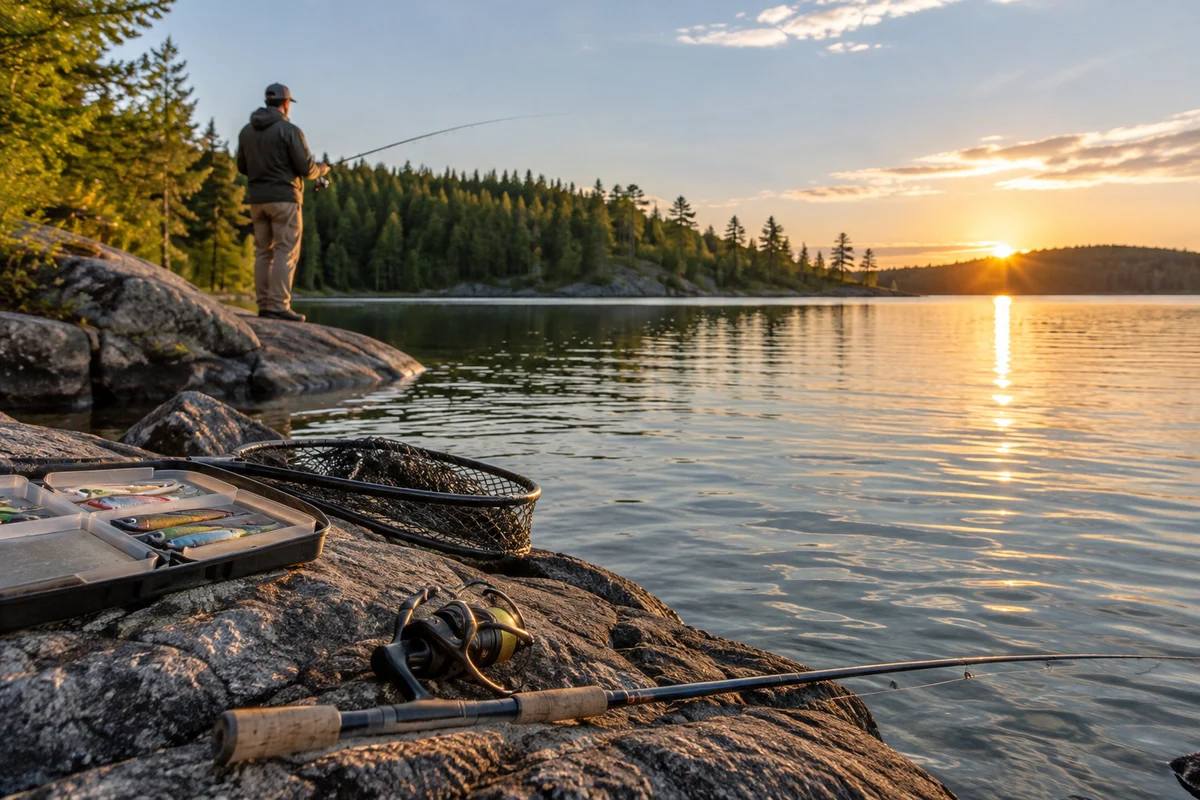
The Lunkerhunt Dragonfly is an insect-inspired fishing lure, but the name alone is not enough to establish the exact construction, hardware, or recommended rigging of every version. Packaging and manufacturer information are the best references for the specific model in hand. Once its buoyancy, hook arrangement, and intended presentation are clear, a few practical choices—where to cast, how long to pause, and how to manage the line—can make this style of lure easier to fish effectively.
What kind of lure is the Lunkerhunt Dragonfly?
Start by inspecting the lure rather than assuming that every Dragonfly is built the same way. Look for whether it floats at rest, where its hook sits, whether it has soft or rigid parts, and whether any components are intended to move during a retrieve. Check the package or the product information from Lunkerhunt for model-specific guidance. If the exact version is unclear, do not infer its rigging from another lure that shares the name.
The dragonfly shape suggests a surface-insect imitation, but the appearance does not guarantee that it should be fished only as a topwater bait. A floating design can be presented at the surface; a sinking or differently weighted version may call for another approach. Confirm the intended use before changing hooks or adding weight, since those changes can alter balance and action.
The key is to observe what the lure does in shallow water beside the bank before making a long cast. Does it sit upright? Does a small twitch move it naturally, or does it roll or dive? That quick check helps set a sensible retrieve without forcing an action the lure was not designed to make.
Where should you fish an insect-style lure?
Look for places where fish can feed near the surface and where a small, lifelike presentation will not be overwhelmed by heavy disturbance. Calm edges, shaded pockets, and openings beside vegetation can all be worth testing, depending on the waterbody and the species present. These are starting points, not guarantees: wind, light, season, local forage, and fishing pressure change what fish respond to.
Cast beyond the likely target when there is room, then bring the lure into the area on a controlled line. This keeps the landing from startling fish holding close to cover. In tight spaces, a shorter accurate cast may be more useful than distance. Avoid dragging line across reeds or branches if doing so could snag the lure or disturb the spot.
An insect profile can be a useful change of pace when larger or louder lures are not producing, but it is not a universal solution. Compare the surface activity with what you can actually observe, and adjust to local conditions. The freshwater fishing tips hub collects broader approaches for adapting presentation to the water in front of you.
How should you retrieve it?
Begin with a simple sequence: cast, let the lure settle, pause, and make one small movement. Watch how the bait responds. If it remains stable and moves convincingly, repeat with pauses of similar length. If it rolls, spins, or catches on cover, shorten the movement or inspect the line and rigging before continuing.
A pause matters because it lets the surface disturbance fade and gives a fish time to locate the lure. The useful pause length is situational, not a fixed count. Try a still presentation first, then vary the timing: a brief twitch followed by a longer rest, or two modest movements separated by a pause. Change one element at a time so you can tell whether the adjustment helped.
Keep the rod movement small enough to avoid pulling the lure out of the target area. A slack-line twitch can create a different response from a tight-line pull, so watch the bait and experiment gently. Avoid repeated hard jerks unless the model’s instructions call for them; excessive force can make a delicate presentation look unnatural or pull it away from cover.
When a fish strikes, resist the urge to react to every splash. A surface strike can be visible before the lure is actually taken. Keep contact with the line, watch for the fish to turn or for steady pressure, and then set the hook in a controlled manner suited to the hook style and tackle. This helps reduce missed connections without turning the retrieve into a rushed sequence.
What line and tackle make sense?
Match tackle to the lure’s actual weight, hook arrangement, and the fish and cover you expect—not just to its insect shape. Check the rod’s lure-weight range and the line guidance on the package where available. A light lure may be difficult to cast on gear intended for heavier baits; overly heavy tackle can also make subtle movements harder to control.
Line choice affects casting, feel, and the way a floating lure sits. Rather than assuming one material is always right, consider the lure’s buoyancy, the cover, and the distance of the presentation. For a closer look at tradeoffs, see these fluorocarbon fishing line fundamentals. Treat that as general line information, not as a product-specific instruction for every Dragonfly version.
Inspect the knot, line, and hook before fishing. Replace damaged or frayed line, and use a knot appropriate to the line and terminal connection. If a model’s hook is integral or unusually positioned, follow its instructions instead of adding hardware by guesswork. Any change in hook or attached weight can affect both balance and action.
How can you improve hookups without changing the lure?
First check that the hook is clear of packaging residue, weeds, or tangled line. Confirm that the lure is attached securely and that the line is not wrapped around a movable part. A lure that does not move as intended may need a simple untangle or retie rather than a new setup.
Next, make casts that leave room for a fish to approach. Repeatedly landing the bait directly on cover can cause snags and may disturb the target zone. If a strike misses, pause and consider whether the fish may return; immediately whipping the lure away can remove it from the area. If the lure is fouled, retrieve it, clear it, and make the next cast deliberately.
Keep the hook sharp and handle fish carefully. Use appropriate tools to remove a hook, wet hands before handling a fish when practical, and follow local rules for species, seasons, and harvest. A compact lure does not mean every fish will be easy to land; cover and the fish’s size still matter. When the hook configuration is unfamiliar, inspect it before fishing and learn how to handle it safely.
How should you store and maintain it?
Rinse off dirt or residue when appropriate, then let the lure dry before putting it away. Store it so hooks cannot snag hands, line, or other tackle. Keep soft materials separated if the manufacturer’s instructions indicate that contact with other plastics can cause damage or discoloration. Avoid leaving a lure in direct heat or compressed under heavy gear, since either condition can deform some materials.
After each outing, check for tears, bent or loose hardware, and a change in how the bait floats or moves. A damaged lure may still be usable, but an altered balance can make its behavior inconsistent. Keep small accessories secured and dispose of broken pieces responsibly rather than leaving them at the water. For a practical approach to keeping tackle organized, see common-sense spinnerbait storage; the same basic habit of separating snag-prone lures can help with other tackle, too.
How do you decide whether this lure fits the situation?
Use the Lunkerhunt Dragonfly when its verified design matches the presentation you want and the conditions give fish a chance to notice it. Confirm the exact model, test its action nearby, and begin with modest movements and pauses. If surface activity is absent or the lure cannot reach the target cleanly, switch presentation or location rather than forcing it to work.
Keep notes about conditions and response—not assumptions about what the bait should do. Record whether the water was calm or breezy, where the lure was placed, and which retrieve drew interest. Over time, that simple comparison is more useful than treating a single outing as proof that a lure always succeeds or fails. Check the manufacturer’s information for details that are specific to the version you own, and consult the relevant local fish and wildlife agency for regulations before fishing.
Frequently asked questions
Is the Lunkerhunt Dragonfly a topwater lure?
The name refers to an insect-inspired lure, but the exact design and intended presentation may differ by version. Check the package or manufacturer information to confirm whether your model floats and how it is meant to be fished.
What retrieve should I try first with a Dragonfly lure?
After confirming the model’s intended use, start with a cast, a pause, and a small movement. Observe the lure’s action nearby, then adjust the pause and twitch gently to suit the water and fish response.
Can I change the hook or add weight to the lure?
Do not make changes by assumption. Added weight or different hooks can affect balance and action; follow the instructions for the specific model and use tackle suited to its design.
Sources & further information
Consult these primary sources for current regulations, technical information and local guidance.