Largest Goliath Grouper Ever Caught: What the Records Show
Claims about the largest goliath grouper ever caught can refer to very different things: an officially documented record, a reported catch, or an estimate. Here’s how to tell them apart and what anglers should know about identification, verification, and responsible handling.
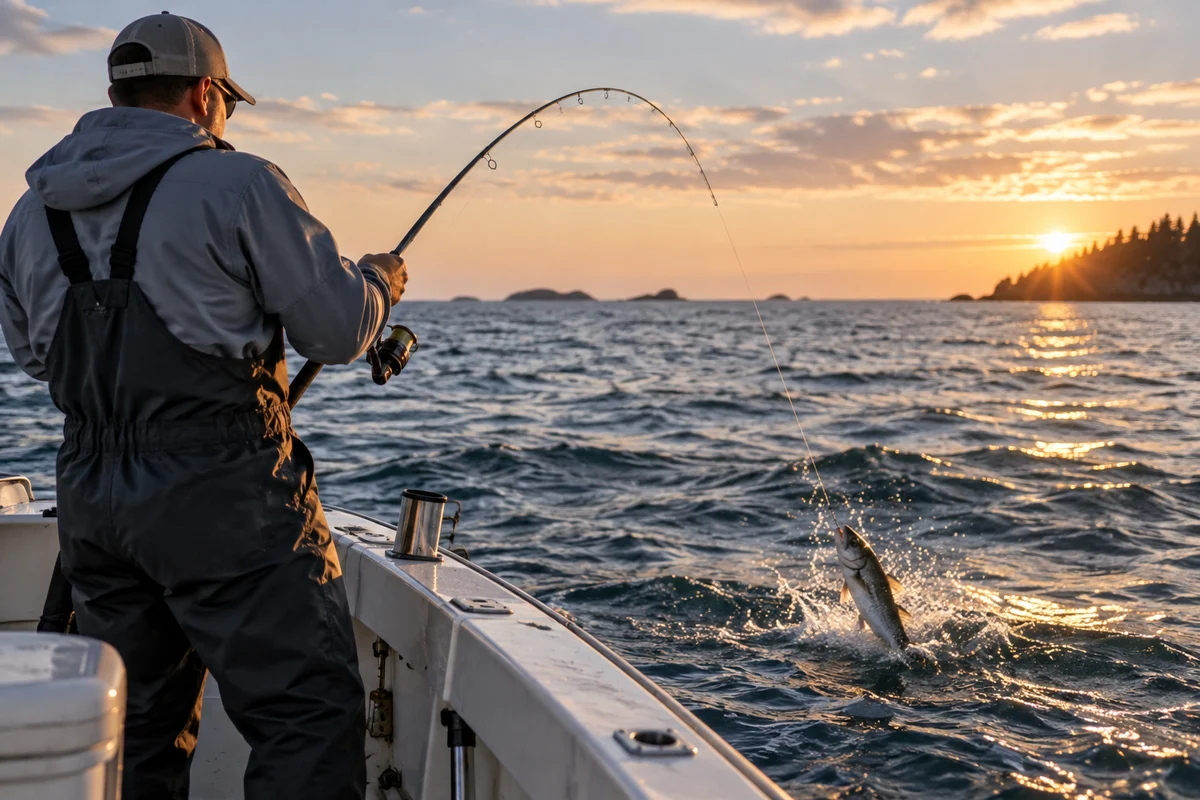
The largest goliath grouper ever caught is a question without a dependable single answer unless “largest” and “caught” are defined. An officially certified record is not the same as a memorable fish described in a news story, a photograph without measurements, or an estimate made beside a boat. Record databases also depend on the category and documentation submitted. Rather than repeat an unverified weight or name a supposed record holder, this guide explains how to assess a claim and where to look for evidence. Goliath grouper are imposing fish, but their conservation history and local fishing rules make responsible identification and release just as important as a record attempt. For broader saltwater context, visit the saltwater fishing hub.
Why is there no simple answer to “largest ever caught”?
“Largest” can mean heaviest, longest, or simply the biggest fish someone has personally seen. “Caught” can mean landed and weighed, documented under a sport-fishing organization’s rules, or hooked and released without a verified measurement. Those are not interchangeable claims.
A record belongs to a defined system. The International Game Fish Association maintains catch-record categories and application requirements; a recognized record should be checked in the organization’s current listings, along with the category and species identification. A fish described as a “world record” in a repost or caption may not have been submitted, accepted, or measured according to those rules. Even a precise-looking number is not proof by itself.
Older accounts can add another complication: weighing equipment, documentation practices, and the naming used for fish may differ across eras. A fair answer therefore identifies the record authority, category, location, date, and supporting evidence—or clearly labels the claim as unverified. Without those details, a precise “largest ever” figure risks turning a report into a fact it cannot establish.
How can anglers verify a goliath grouper record claim?
Start with the record keeper, not a search snippet. Check whether the fish appears in the official database and whether the entry is for the relevant species and category. Confirm what the category measures: an all-tackle record, line-class record, or another listing can have different rules. Read the organization’s current application guidance rather than assuming a photograph or a scale ticket is enough.
Useful documentation typically makes the fish’s identity and measurement traceable: clear images, a reliable weight or length record, information about the equipment and method, and witnesses or other records required by the authority. Requirements vary, so an angler should consult the actual rules before fishing if a record application is a goal. Never infer a certified weight from a person holding a fish or from its apparent size beside a boat.
Species identification matters too. Large groupers can be confused in casual reports, especially when images are distant or the fish’s distinctive features are obscured. Compare the fish with reliable species references, then treat uncertain identification as uncertain. The same careful approach helps evaluate other record stories, including the discussion of a reported world-record black drum: a headline and a verified record are different kinds of evidence.
What makes goliath grouper grow so large?
Goliath grouper are among the largest reef-associated groupers in the western Atlantic. They use coastal and offshore structure, including reefs, wrecks, and other complex habitat; younger fish may also use sheltered estuarine environments such as mangroves. Their broad bodies, large mouths, and tendency to hold near structure help explain why encounters can feel dramatic, but appearance alone does not establish a fish’s weight or age.
As large-bodied fish with a vulnerable life history, goliath grouper have been subject to substantial conservation attention. Their slow population recovery after heavy historical fishing is one reason regulations and management deserve close attention. That context is more useful than treating size as a reason to pursue a fish: a large individual can be an important part of the population, and handling stress or injury can matter even when it is released.
For anglers, the practical takeaway is to learn the species’ identification and local rules before targeting areas where it may occur. Do not rely on a general guide to determine whether a particular fish may be harvested. Rules can differ by jurisdiction and change over time; use the relevant wildlife agency’s current guidance.
What should anglers know about fishing rules?
Goliath grouper rules are not universal. They may depend on the state or country, location, season, species-specific protections, and the way a fish is caught or handled. The Florida Fish and Wildlife Conservation Commission is the appropriate starting point for current Florida information; anglers elsewhere should consult the agency responsible for that water. Confirm the rules immediately before a trip, including any requirements for release, gear, or reporting. A rule remembered from a past season may no longer be current.
If a fish must be released, prioritize its condition over a photograph or measurement. Keep it in the water when practical, minimize handling and air exposure, avoid lifting a very large fish vertically by the jaw, and do not place hands or tools into the gills. Use suitable equipment and follow agency guidance for safe release. A fish that is too large to handle safely should not be wrestled aboard for a better image.
A record attempt never overrides conservation law or fish welfare. If regulations prohibit retention or require immediate release, do not delay release to seek a weight. When requirements are unclear, pause and get current guidance from the managing agency rather than relying on dockside advice or an old post.
What evidence makes a catch report credible?
A credible account separates what was observed from what was measured. It should state whether the fish was weighed on a documented scale, measured for length, or estimated; explain who recorded the information; and identify whether a record application was filed and accepted. Photographs can support identification and context, but they do not independently verify a weight. A ruler, scale display, or visible person in the frame may help, yet each has limitations if the method and measurement are not documented.
Look for the primary record entry or a statement from the responsible agency or record organization. If a story cites another article, follow the citations back to the original evidence. Repeated copies of the same unsourced claim are not independent confirmation. If no official listing or dependable measurement can be found, describe the fish as a reported large catch—not as the largest ever caught.
That wording is not needless skepticism. It preserves the distinction between an exciting encounter and a verified record. The same standard applies across saltwater fishing; a longnose gar record discussion is another example of why the category, evidence, and official status matter more than a dramatic headline.
How should a large grouper encounter be handled?
Plan for release before fishing: know the applicable rules, carry appropriate tools, and avoid creating a situation where a large fish must be brought aboard just to be identified or photographed. Follow local handling guidance and work efficiently. Keep the fish supported in the water, avoid unnecessary restraint, and let it recover according to responsible release practices before it swims away. If conditions, equipment, or fish size make safe handling impractical, do not turn the encounter into a record attempt.
For a potential record, consult the certifying organization’s current rules in advance and understand whether the fish must be weighed, measured, or documented in a particular way. If those requirements conflict with legal release obligations or safe handling, the fish’s welfare and the law come first. A responsible account can still describe the location in general terms, the circumstances, and what was observed without claiming an unsupported weight.
The most defensible answer to “largest goliath grouper ever caught” is therefore the one tied to a named record category and a verifiable official entry. When that evidence is absent, acknowledge the uncertainty. That approach respects the fish, gives readers a trustworthy standard, and keeps an impressive catch from becoming an invented record.
Frequently asked questions
Is there a verified single answer for the largest goliath grouper ever caught?
A single answer should be tied to an official record authority, category, and documented entry. Without that evidence, a reported or estimated catch should not be presented as a certified largest-ever record.
Can anglers keep a goliath grouper?
Rules depend on the jurisdiction and can change. Check the current regulations from the wildlife agency managing the water before fishing; do not rely on an old article or general advice.
Does a photograph prove a grouper’s weight?
No. A photograph may help with identification and context, but a verified weight requires reliable measurement and documentation under the relevant record organization’s rules.
Sources & further information
Consult these primary sources for current regulations, technical information and local guidance.