Ice Fishing for Trout Norway: A Mountain-Lake Plan
A practical guide to planning a trout trip on Norway’s mountain lakes, from checking local fishing rights and ice conditions to choosing simple tackle and finding fish.
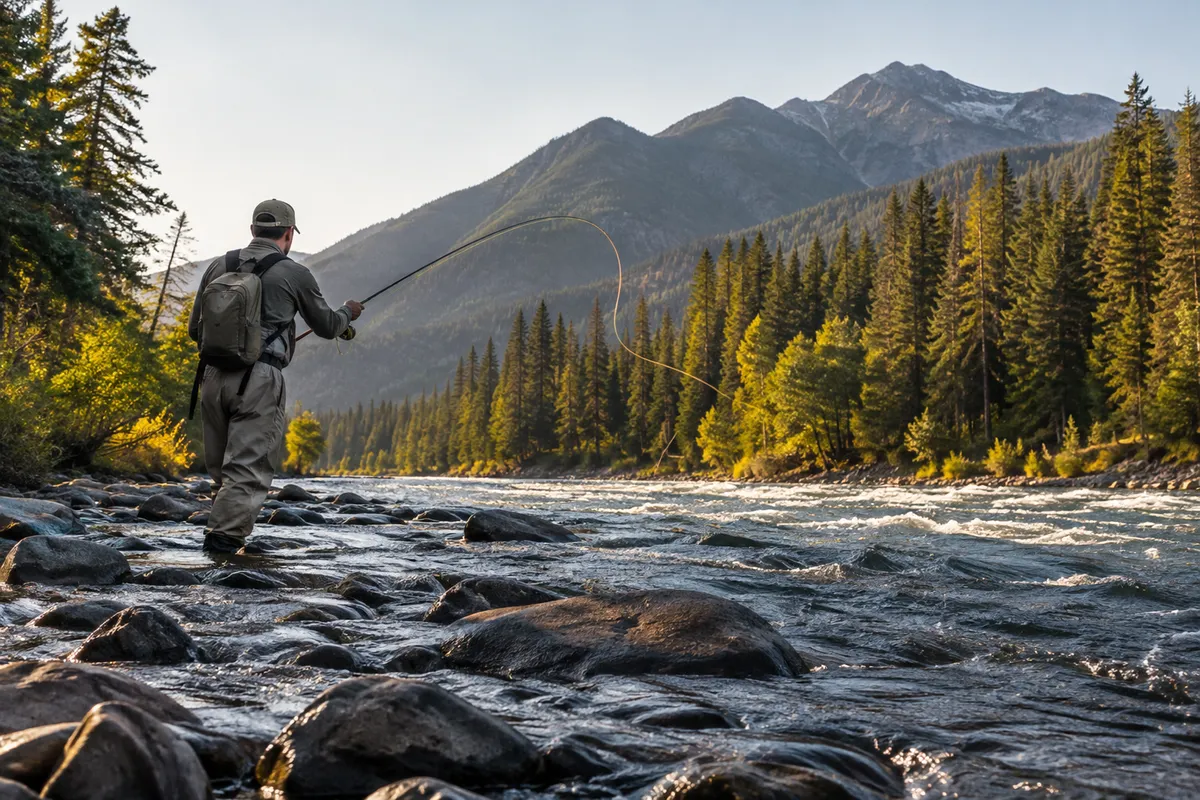
Ice fishing for trout Norway trips are best planned around local rules, changing mountain weather, and the particular lake—not a promise that every frozen surface is safe or every trout will be feeding. Start by identifying a permitted water, checking the latest local guidance, and making a conservative ice plan before choosing bait or drilling a hole. With those basics in place, a compact kit and a methodical search can make a winter day on the water more rewarding and safer.
How should you choose a trout lake?
Begin with a specific lake and its access information rather than setting out for a remote frozen pond you have only seen on a map. In Norway, fishing rights and access arrangements can vary by water and location. Find out who manages the fishing, whether an angling permit is required, and what local rules apply to trout, seasons, methods, and any protected areas. A scenic lake is not automatically open to fishing.
Use current maps and local advice to understand the approach, likely exposure to wind, and whether you can reach the shore without crossing uncertain ice. Mountain weather can change the character of a trip quickly; a short, sheltered route with a clear turnaround point may be a better choice than a long trek into unfamiliar terrain. Ask a local land manager, tourism office, or fishing-rights holder about access and conditions, but treat an observation from another day as background rather than a guarantee for today.
A lake’s shape can help frame your search. Trout may use shallow margins to feed, while deeper water can provide a different option when conditions or light change. Look for structural transitions—such as a gradual shelf dropping into deeper water—using a reliable map where available. Avoid assuming that a familiar pattern applies everywhere: depth, food, pressure, weather, and the lake’s fish population all influence where trout hold. The freshwater trout and salmon hub offers more trout-focused reading for planning techniques across seasons.
What local rules and permits should you check?
Confirm the current rules for the exact water before fishing. Check the permit provider or relevant local authority for open dates, permitted methods, catch limits, minimum or maximum sizes, and any restrictions on bait or hooks. Regulations can differ from one water to another, and rules may be updated. If the wording is unclear, ask the issuing organization before you go rather than interpreting a general national page as permission for a particular lake.
Plan to identify your catch and handle it in accordance with the applicable regulations. If keeping trout is allowed and you intend to do so, know the limit and any size rule before the first bite. If you release fish, minimize handling time, keep the fish wet, and avoid unnecessary exposure to freezing air. A landing tool and a small measuring device can help, but measurement does not replace knowing the local rule.
For national-level context, consult the Norwegian Environment Agency’s official information at Miljødirektoratet, then verify water-specific requirements with the local fishing-rights holder or permit issuer. Regulations and access are separate questions: permission to reach a shoreline does not necessarily include permission to fish.
How can you judge ice conditions safely?
There is no single ice-thickness number that makes every lake safe. Ice can vary across a single body of water because of currents, springs, inlets and outlets, wind, snow cover, changing temperatures, and other local features. Snow can hide weak spots and make cracks or changes in surface texture harder to see. Never treat a nearby person’s route, a frozen-looking surface, or a previous visit as proof that the ice will support you now.
Check official and local ice information before leaving, and reassess conditions on arrival. The Norwegian Water Resources and Energy Directorate (NVE) provides information and guidance at NVE; local observations still matter because conditions differ from place to place. If information is missing, conditions are changing, or you cannot confidently evaluate the route, choose shore fishing where lawful or leave the ice for another day.
Go with a partner when possible, tell someone your route and expected return, and carry appropriate rescue equipment and a communication device protected from cold. Keep a safe distance from others rather than gathering around one spot. Avoid areas near moving water, visible cracks, pressure ridges, and places where the surface changes. If the ice is making unusual sounds or shows signs of instability, retreat the way you came without running, and do not continue to a more distant fishing spot. A planned turnaround time matters as much as a destination.
What tackle is useful for winter trout?
Keep the setup simple and suited to local rules. A short ice-fishing rod or a compact rod designed for the technique, a reel with a smooth drag, and line appropriate to the size of fish and conditions are a practical starting point. A small selection of hooks, weights, and compact lures gives you options without turning the trip into a gear test. Check that every component is in sound condition before travel, and keep spare terminal tackle in a container that is easy to open with cold hands.
Bait and lure rules vary, so verify them first. Where live or natural bait is allowed, use a presentation that can be monitored and retrieved promptly. With artificial offerings, a modest jigging motion followed by pauses is easier to control than constant movement. A lure should be visible and manageable at the depth you are fishing; very fast or exaggerated action is not automatically more effective in cold water.
For a broader look at trout presentations, compare the seasonal considerations in summer trout spinner fishing with the more deliberate pace used through ice. The conditions differ, but the useful principle is the same: make a clear presentation, observe the response, and adjust one element at a time.
Where and how should you search beneath the ice?
Treat the first location as a test, not a verdict on the whole lake. If the rules and conditions allow, begin near a safe, accessible transition between shallower feeding water and a deeper basin. Try a measured sequence of depths, giving each a reasonable pause. If you can use a fish finder lawfully and safely, it may help you understand depth and activity, but it cannot identify every fish or compensate for poor ice decisions.
Keep notes on depth, light, weather, and the presentation that produced a response. If there is no sign of activity, move only when the next location and route are known to be safe. Fish can be scattered, and a quiet period does not prove the lake has no trout. Be patient, but set a limit on how long you will stay at an unproductive spot so that the return journey remains comfortable and unhurried.
A useful adjustment sequence is to change depth first, then pause length or lure action, and only then switch to another offering. This makes it easier to learn what affected the result. The article on comparing trout minnow lures explains how lure profile and action can shape a trout presentation; apply those ideas selectively rather than bringing every open-water approach directly onto the ice.
What should you pack and how should you plan the day?
Dress for wind and moisture as well as air temperature. Use layers that allow movement, insulated footwear with reliable traction, warm gloves, eye protection, and a dry backup layer stored in a waterproof bag. Pack food and water, a first-aid kit, a headlamp, navigation, and a charged phone or other suitable communication device. Keep essentials accessible instead of buried beneath equipment.
Before departure, share your route, expected return time, and a check-in plan. Review the forecast and local ice information again, and set a firm point at which you will turn back. On the lake, keep gear organized and avoid carrying more than you can manage safely. End the session early if visibility, wind, temperature, ice condition, or your own energy level deteriorates.
The best winter trout plan is adaptable: legal water, verified access, conservative decisions about ice, and a small set of presentations you can fish carefully. If any part of that plan is uncertain, the right adjustment is to change the location or postpone the outing—not to press farther onto questionable ice.
Frequently asked questions
Do you need a permit to ice fish for trout in Norway?
Requirements depend on the specific water and its fishing rights. Check with the local permit provider or fishing-rights holder, and confirm current methods, seasons, and catch rules before fishing.
Can you tell whether a Norwegian lake is safe to walk on by its appearance?
No. Ice condition can vary across one lake and may be obscured by snow. Check current official and local information, assess conditions conservatively, and do not go onto ice you cannot confidently evaluate.
What is a good starting presentation for trout under the ice?
Use a simple, legal lure or bait presentation that you can control and monitor. Begin at a sensible depth, fish with deliberate movement and pauses, then adjust depth or action based on what you observe.
Sources & further information
Consult these primary sources for current regulations, technical information and local guidance.