Frabill Ice Shelter Review: How to Judge the Aegis
A practical, specification-conscious guide to evaluating a Frabill Aegis ice shelter: what to verify, how to judge comfort and fishability, and which safety questions matter before heading onto the ice.
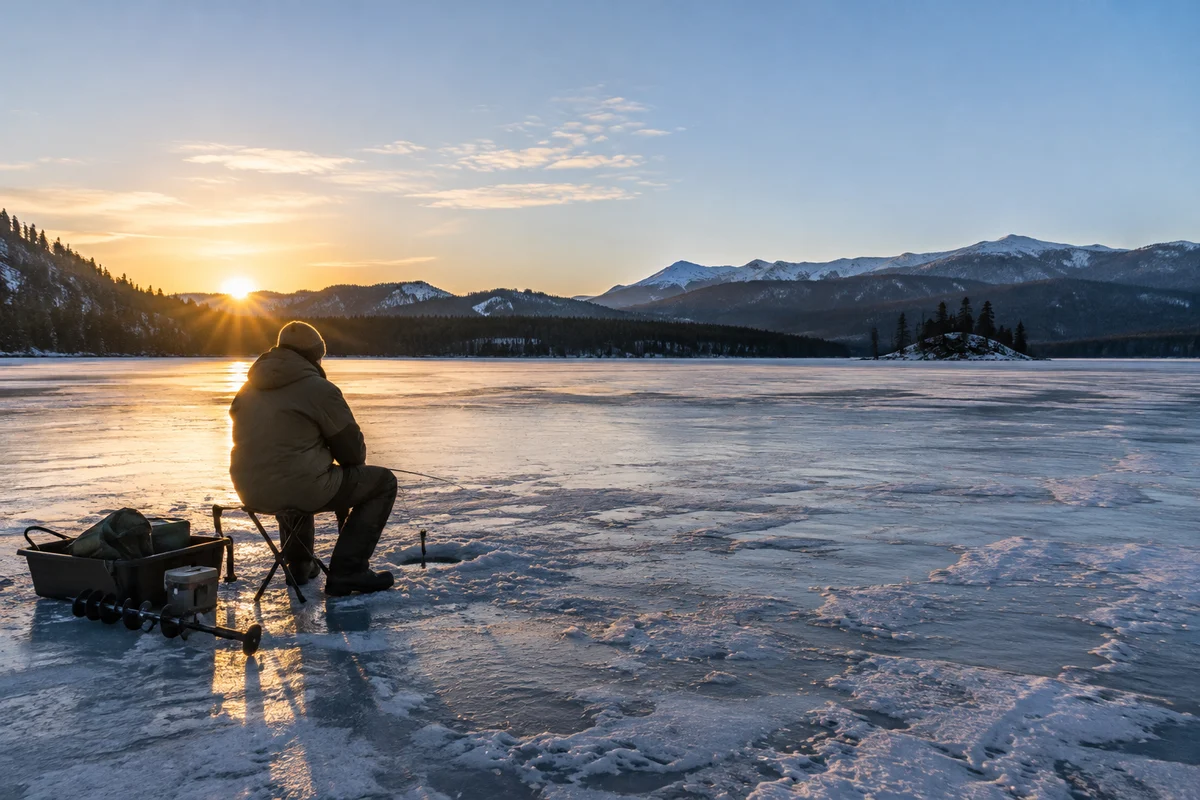
A frabill ice shelter review is most useful when it separates what a product name suggests from what its exact model and configuration can confirm. The Aegis name is associated with Frabill ice shelters, but product details can vary by version and should be checked against the label, manual, or manufacturer information. This guide focuses on how to evaluate the shelter for your fishing style—not on unverified dimensions, materials, included accessories, or hands-on test claims.
The central question is whether the specific Aegis shelter you are considering matches your usual trips. Think about how many anglers need room, whether you move often, how you transport shelter gear, and what conditions you expect. Those practical details are more useful than a vague claim that any shelter is “all season” or universally comfortable.
What should you verify about the Frabill Aegis?
Start with the complete model name and model number, not just “Aegis.” Check the product label and manual, then compare them with the manufacturer’s current or archived product information. Confirm whether the shelter is a hub-style, flip-over, or another configuration; the name alone is not enough to establish its layout. Also verify the intended capacity, packed dimensions, setup procedure, included components, and any replacement-part information.
That verification matters because shelter design changes how it fits into a fishing day. A hub shelter typically prioritizes a roomier stationary space, while a flip-over configuration is generally organized around mobility and an integrated fishing position. These are broad design distinctions, not a claim about the Aegis version in front of you. If seller descriptions conflict with the manual or label, treat the model-specific documentation as the better reference and ask the manufacturer to clarify.
Inspect seams, attachment points, poles or supports, zippers, vents, and any supplied anchors before relying on an older or secondhand shelter. Look for tears, missing parts, bent or damaged supports, and repairs that might affect setup. A replacement component’s fit should be confirmed by model rather than guessed from a similar-looking shelter.
How do you know whether the shelter fits your fishing style?
Capacity should mean usable fishing space, not simply the number of people who can stand inside. Picture the actual layout: anglers seated with winter clothing, a hole or fishing position for each person, rods, a heater if used, tackle, and room to move without crossing lines. A shelter that feels adequate for one angler may feel cramped when a second person brings a separate seat and gear. Check the manufacturer’s stated capacity, then consider how much floor area remains once your equipment is in place.
Mobility is the other half of the decision. If you fish several locations in a session, consider the shelter’s packed size and weight as listed for the exact version, how it fits into your vehicle, and whether you can carry or tow it along with the rest of your kit. For a stationary day, interior room and a convenient entrance may matter more. Neither style is automatically better; the best match depends on how often you relocate and how much equipment you take.
A simple pre-trip test at home can reveal practical issues: lay out the chairs and equipment you expect to use, rehearse the setup using the manual, and check that doors, vents, and exits remain accessible. This is a fit check, not a substitute for inspecting the shelter in outdoor conditions.
What features matter for comfort in cold weather?
Prioritize controllable ventilation, a usable entrance, and enough clearance to fish without crowding. Vents should be easy to operate from inside, and the shelter should be arranged so that openings are not blocked by gear or snow. Consider whether the fabric and seams appear intact and whether the shelter’s design can be secured as its instructions specify. Do not infer a temperature rating or storm capability unless the manufacturer publishes one for the precise model.
If you use a portable heater, follow the heater maker’s instructions and keep ventilation and clearances in mind. Never treat a shelter as a substitute for fresh air, and do not block vents to retain heat. A carbon-monoxide alarm rated and maintained according to its instructions adds a separate layer of awareness; it does not make unsafe heater use acceptable.
Wind can change how comfortable and manageable a shelter feels. Before setting up, consider exposure, the forecast, and whether you can secure the shelter using its designated points and the conditions described in its manual. Avoid improvising attachments that could damage the shelter or create a hazard. A shelter helps with exposure but cannot make unsafe ice or severe weather safe.
Is the Aegis a good match for a mobile ice-fishing setup?
Think of the shelter as one part of a system. A fish finder, rods, bait, seating, and transport method all affect how quickly you can move and how organized the fishing space feels. Anglers who rely on electronics can compare the shelter layout with the equipment they actually use; our overview of the Vexilar FL-12 series may help clarify what to consider when planning a compact sonar setup. For locating fish below the ice, the Vexilar Fish Scout overview offers another perspective on fitting observation tools into an ice-fishing approach.
Keep cables, heater placement, and walking paths in mind when arranging equipment. A tidy layout reduces tangles and helps preserve access to the door. Before a trip, confirm that all components are packed, that any shelter-specific parts are present, and that the transport plan works with the rest of your gear. If the shelter is a stationary model, account for the time and effort needed to move it between spots rather than assuming it will travel like a compact seat or rod case.
What should you check for setup and care?
Use the instructions for the exact model. Set the shelter up at home before the season, where you can identify the correct sequence, inspect the frame, and check that fabric and closures operate normally. Practice taking it down and packing it away as well. If instructions are missing, seek the appropriate manual from Frabill or its current product-information channel instead of relying on a procedure for a different shelter.
After use, let the shelter dry fully before storing it to help avoid mildew and fabric deterioration. Brush away grit and snow, inspect seams and stress points, and store poles or structural components as their instructions direct. Repair damage with materials and methods approved for the shelter fabric; an unsuitable patch or adhesive may not hold under repeated cold-weather setup. Keep the manual and model information with your gear so replacement parts can be matched accurately.
What ice-safety questions should come before shelter comfort?
No shelter makes ice safe. Conditions vary across a lake and can change with weather, current, springs, snow cover, and other local factors. Check current guidance from the relevant state or local authorities, ask about conditions through reliable local channels, and be prepared to turn back. The Minnesota Department of Natural Resources provides ice-safety information and emphasizes that ice conditions require judgment; its guidance is a starting point, not a guarantee for a particular location.
Carry appropriate safety equipment and know how to use it before you need it. Keep a communication method accessible, tell someone your plan, and avoid going alone when possible. If conditions are uncertain, do not use a shelter to extend a trip or justify traveling farther from shore. Check the forecast, daylight, and route back, and leave if conditions worsen. A comfortable interior is useful only after the decision to be on the ice is sound.
What is the bottom line on a Frabill Aegis shelter?
Treat the Aegis as a candidate to assess against your own requirements, not as a one-size-fits-all recommendation. Verify the exact model, shelter type, dimensions, capacity, parts, and setup instructions. Then compare the usable space and transport burden with your typical crew and fishing routine. For broader trip planning and equipment context, browse the ice-fishing hub, including related discussions of rods, electronics, and other cold-weather gear.
A sound decision checklist is straightforward: identify the exact version; confirm official specifications; rehearse setup; check fabric, supports, and closures; plan ventilation and heater use safely; and make ice conditions the deciding factor for every outing. If those checks align with the way you fish, the shelter may suit your setup. If the model details remain unclear or its size and transport demands do not fit your routine, keep comparing rather than filling gaps with assumptions.
Frequently asked questions
Is the Frabill Aegis an ice-fishing shelter?
The Aegis name is associated with Frabill ice shelters. Verify the full model name and number because configuration, dimensions, and included components can vary by version.
How many anglers fit in a Frabill Aegis shelter?
Check the manufacturer’s capacity for the exact model, then account for seats, winter clothing, fishing positions, and gear. Published capacity does not necessarily mean spacious room for every setup.
Can an ice shelter make unsafe ice safe?
No. A shelter does not change ice conditions. Check local guidance and conditions, carry appropriate safety equipment, and stay off ice when its safety is uncertain.
Sources & further information
Consult these primary sources for current regulations, technical information and local guidance.