How to Avoid Shark Attack: Safer Choices at the Shore
Reduce avoidable risk around sharks with thoughtful choices about where and when you enter the water, how you behave, and what to do if one appears. No precaution can eliminate risk, so local beach guidance matters.
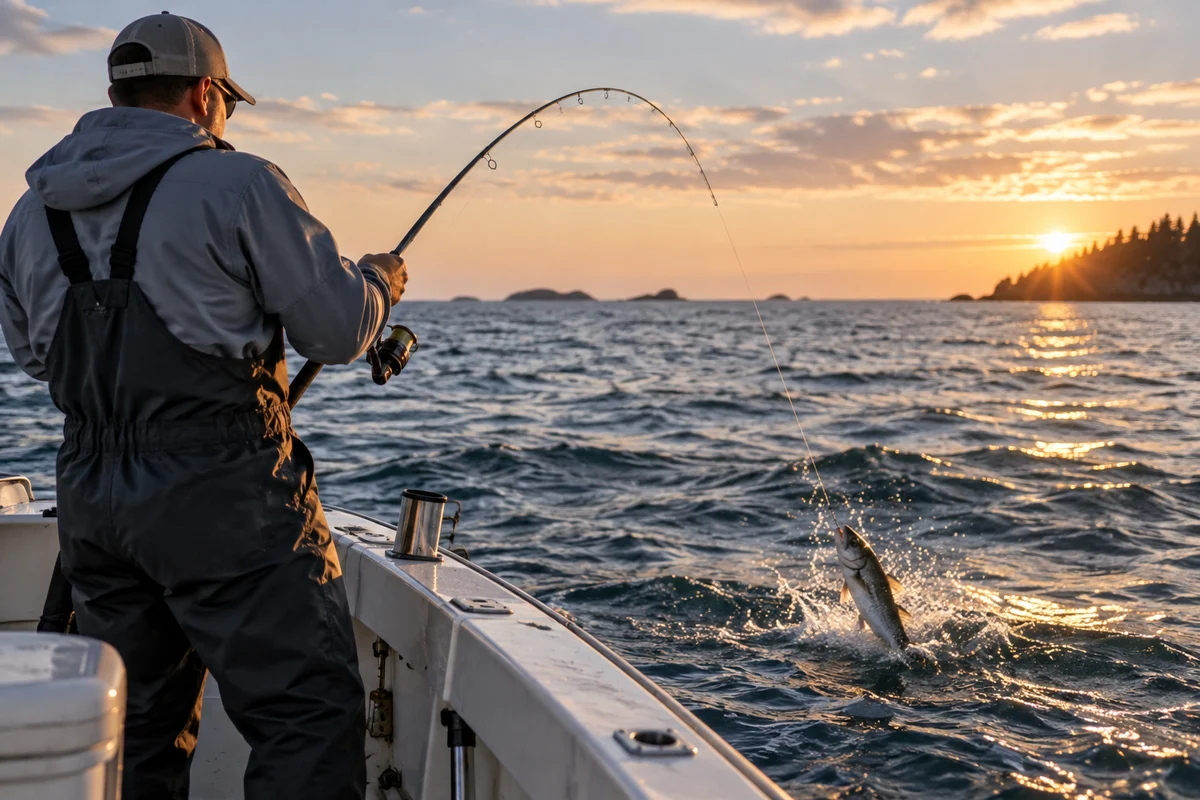
How to avoid shark attack starts with choosing a supervised swimming area, paying attention to local warnings, and avoiding situations that can bring people close to feeding or fishing activity. Shark encounters are uncommon, but the ocean is shared habitat; no rule can guarantee safety. The practical aim is to lower avoidable risk and know how to leave the water calmly if a shark is nearby.
Where is it safest to swim?
Choose a beach with lifeguards when possible, and swim in the area they designate. Read posted signs and obey closures, flags, and direct instructions from lifeguards or local authorities. Conditions can change during the day, so a beach that was open earlier may later have a warning. If no lifeguard is present, be more conservative: consider whether you can see hazards, get help quickly, and exit easily before entering.
Avoid swimming close to fishing activity. Give space to people casting from shore, fishing piers, or boats, and stay away from areas where fish are being cleaned or discarded. Bait, hooked fish, and struggling fish can attract predators; do not swim beside a person fighting a fish or near a line carrying one. Also avoid entering water where seabirds are actively diving into a concentrated school of baitfish. These are reasons to choose another spot, not proof that a shark is present.
Local habitat and conditions matter more than a universal beach rule. Inlets, channels, river mouths, and areas near large schools of fish may have different patterns of animal movement. Ask a lifeguard about current conditions rather than assuming a familiar shoreline is always the same. For broader saltwater context, browse the saltwater fishing hub, while keeping swimming and fishing areas separate.
When should you stay out of the water?
Do not enter water where officials have posted a closure or where lifeguards advise against swimming. Avoid swimming at dawn, dusk, or night, when visibility is reduced and it may be harder for people and wildlife to detect one another. Poor visibility from murky water, heavy surf, or low light also makes it difficult to see hazards and respond quickly. If you cannot see the water around you or judge the conditions, wait for a clearer, safer opportunity.
Stay out when you are bleeding, and leave the water if you begin bleeding. Avoid swimming near a person who is bleeding or near a carcass or discarded fish. Do not assume that a small wound is irrelevant just because the water looks calm. Likewise, don't wade into a school of fish that is scattering or jumping; move away calmly and tell a lifeguard if the activity is close to a swimming area.
Weather and water conditions deserve equal attention. Strong currents, breaking waves, and cold water can create urgent problems even without wildlife. Check local beach advisories and your own ability before swimming, and do not let a group pressure you into entering conditions you would otherwise avoid. On a fishing trip, review saltwater fishing tips for general planning, and keep any fishing activity well away from swimmers.
What habits lower risk in the water?
Swim with another person rather than alone, remain reasonably close to shore, and keep children within close supervision and easy reach. A buddy can help notice changing conditions and summon assistance, but neither a companion nor shallow water makes an encounter impossible. Avoid swimming far from shore, beyond sandbars, or into deeper channels simply because the water appears calm.
Keep movements controlled. Splashing and erratic movement are not useful ways to investigate an animal or draw attention to it. Do not chase, touch, feed, corner, or attempt to photograph a shark at close range. If wildlife is visible, give it room and follow lifeguard directions. Do not carry fish you have caught through a swimming area; secure the catch and return to shore by a route that avoids people in the water.
Some commonly repeated advice focuses on jewelry, clothing color, or a particular swimming stroke. Those details are not a reliable substitute for the bigger precautions: avoid fishing activity, heed warnings, choose good visibility, and leave when conditions change. Never rely on a deterrent or gadget as a guarantee. If you are fishing or boating, follow local rules for handling and disposing of catch rather than creating an attractant near swimmers.
What should you do if you see a shark?
If you spot a shark, stay as calm as you can and move toward shore, a boat, or another safe exit without splashing or making sudden, frantic movements. Keep the animal in view if doing so does not delay your exit. Do not approach it for a closer look, block its path, or try to touch or drive it away. Alert nearby swimmers and a lifeguard once you are in a safe position; report the location and direction of travel as clearly as possible.
If the shark is distant and moving away, still leave the water and notify staff. A sighting does not mean an attack is imminent, but a lifeguard can assess the situation and decide whether a warning or closure is needed. Don't re-enter simply because the shark is no longer visible. Wait for local authorities to say the area is open and follow any additional instructions.
Species identification is not a useful priority in the moment. Sharks can be difficult to identify from shore or in moving water, and guessing can distract from leaving safely. For an educational comparison of two recognizable groups, see tiger shark vs. hammerhead shark; that kind of identification belongs outside an emergency response.
What if a shark comes close or makes contact?
If a shark comes close, face it and make a deliberate effort to create distance while moving toward an exit. Avoid turning your back and swimming wildly. If you are on a board or near a boat, use it as a barrier while backing away if you can do so without trapping yourself. Follow lifeguard instructions and prioritize getting people out of the water over filming or approaching the animal.
If physical contact occurs, protect your head and vital areas and use whatever solid object is immediately available to put distance between you and the animal. If you have no object and must respond to ongoing contact, focus on getting free and reaching safety; do not remain in the water to continue an encounter. Once clear, alert emergency services and lifeguards immediately. The goal is escape and urgent care, not confrontation.
For a serious wound, get emergency medical help as soon as possible. Apply firm, direct pressure to bleeding with clean material if available, and keep the injured person as still and warm as conditions allow while help is coming. If bleeding is severe or does not stop, follow emergency-dispatch instructions. Do not delay calling for help to take photographs, search for an explanation, or move the person farther than necessary for safety.
How can swimmers and fishers share the coast responsibly?
Plan before entering the water: identify the lifeguard station or exit, check warnings, choose a clear swimming area, and agree on a point where your group will meet if separated. Parents and caregivers should keep children close enough to supervise continuously. Boaters should avoid passing through crowded swimming zones, and anglers should keep bait, hooked fish, and cleaning activity away from swimmers. These steps protect people and reduce needless disturbance to wildlife.
After a sighting or incident, report it promptly to a lifeguard, park staff, or the relevant local authority. Give the location, time, conditions, and what you observed, distinguishing direct observation from a guess about species or behavior. A report helps officials make decisions; it should not become a reason to spread unverified claims or approach the animal.
The most dependable approach is simple: follow local guidance, avoid fishing and feeding activity, choose conditions where you can see and exit, and leave the water when a shark is spotted. Those choices cannot remove every uncertainty in the ocean, but they make it easier to respond sensibly and keep a beach day focused on safe recreation.
Frequently asked questions
Does swimming in a group prevent a shark encounter?
Swimming with others can make it easier to notice changing conditions and get help, but it does not prevent an encounter. Stay in a supervised area, follow warnings, and avoid fishing activity.
Should I swim if I see baitfish or diving seabirds?
Choose another area and tell a lifeguard if the activity is close to swimmers. Concentrated fish activity can be a reason for extra caution, though it does not prove a shark is present.
What is the first thing to do after a shark sighting?
Leave the water calmly without approaching the animal, alert a lifeguard or local authority, and wait for their direction before re-entering.
Sources & further information
Consult these primary sources for current regulations, technical information and local guidance.