Double-Bag Bison Chili Recipe for a Crowd
This bison chili recipe builds deep flavor with browned meat, aromatics and a patient simmer. A simple two-bean approach makes a generous, flexible pot for camp or home.
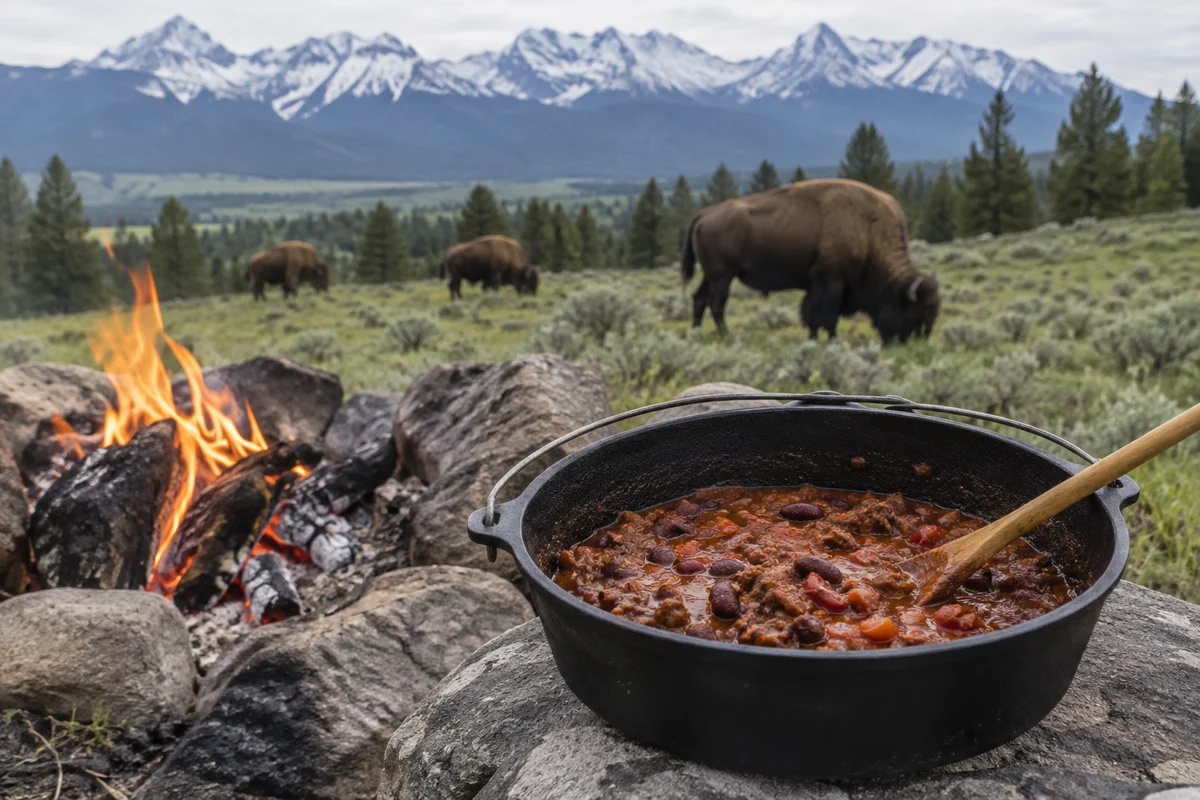
A bison chili recipe works best when it respects the meat’s lean character: brown it in batches, build flavor with onions and spices, then simmer gently with enough liquid to keep every spoonful tender. This version uses two bags of beans—one each of kidney and pinto—to make a generous pot without relying on a particular brand or package size. Treat the bean amounts as flexible, check labels for cooked versus dried beans, and adjust the liquid to suit your pot.
The name “double-bag” is a useful cue for the two kinds of beans, not a claim about a historic recipe or fixed proportions. The method is straightforward enough for a kitchen and adaptable to a sturdy camp stove. For other field-inspired meals and cooking ideas, explore more outdoor coverage.
What makes bison chili different?
Bison is generally leaner than many ground-beef options, so it can dry out if cooked hard for too long or browned in an overcrowded pan. The answer is not to skip browning; it is to use moderate heat, work in batches and let the meat finish gently in the chili. A little cooking oil helps the first step, while tomatoes and broth provide moisture during the simmer.
The recipe below is a framework rather than a rigid formula. Use ground bison from a safe, reputable food source, follow its handling guidance and keep raw meat separate from ready-to-eat foods. If you are cooking harvested game, safe handling begins in the field and continues through prompt chilling and clean preparation. The U.S. Department of Agriculture’s food-safety resources offer guidance on handling and cooking meat; use a food thermometer rather than judging doneness by color alone.
Ingredients for a two-bean pot
For about six to eight servings, gather:
- 2 pounds ground bison
- 1 tablespoon neutral cooking oil, plus more if needed
- 1 large onion, diced
- 1 bell pepper, diced
- 3 garlic cloves, minced
- 2 tablespoons chili powder, or to taste
- 2 teaspoons ground cumin
- 1 teaspoon smoked paprika
- 1 teaspoon dried oregano
- 1 can (about 28 ounces) crushed tomatoes
- 2 cups low-sodium beef or vegetable broth, plus extra as needed
- 1 can kidney beans and 1 can pinto beans, drained and rinsed; use larger cans or add another if you want a beanier pot
- 1 tablespoon tomato paste, optional
- Salt and black pepper
- Optional toppings: chopped onion, shredded cheese, plain yogurt, cilantro or lime wedges
Check that the beans are fully cooked if using canned beans. If starting with dried beans, cook them separately until tender before adding; do not assume the chili’s simmer will reliably cook dry beans evenly. Choose broth and toppings to accommodate guests’ dietary needs.
How do you build flavor without drying the meat?
Warm a heavy pot over medium heat and add the oil. Add the bison in batches, breaking it into bite-size pieces. Let each batch take on some color before stirring frequently; crowded meat steams rather than browns. Transfer browned meat to a bowl, leaving any browned bits in the pot. If the pan is very dry, add a small splash of oil before the next batch.
Add onion and bell pepper and cook until softened, stirring and scraping up the browned bits. Stir in garlic and tomato paste, if using, for about a minute. Add chili powder, cumin, paprika and oregano; stir briefly so the spices become fragrant without scorching. Return the bison to the pot.
Pour in crushed tomatoes and broth, then bring the mixture just to a gentle simmer. Reduce the heat, partially cover and cook for about 30 minutes, stirring occasionally. Add the drained beans and continue simmering for another 20 to 30 minutes, until the flavors come together and the texture is pleasing. If the chili thickens too much, add broth or water a little at a time. If it is thin, simmer uncovered, stirring so the bottom does not catch.
Times vary with pot shape, burner and batch size. Keep the chili at a quiet simmer rather than a rolling boil. A thermometer is the dependable way to verify safe cooking; consult current USDA guidance for ground meat and keep hot food hot when serving.
How can you tune the heat and texture?
Chili powder blends vary, so start with the listed amount and taste after the spices have simmered. Add more gradually if you want a stronger chile flavor. For extra heat, add a small amount of cayenne or minced fresh chile; for a milder pot, reduce the chili powder and offer hot sauce separately. Avoid adding salt all at once, especially if the broth or canned tomatoes are already seasoned.
For a thicker, more cohesive chili, mash a spoonful of beans against the side of the pot and stir them back in. For a looser bowl, add broth. A pinch of sugar is not essential; if the tomatoes taste particularly sharp, a small amount can balance them, but taste before adjusting. Letting the pot rest off heat for several minutes also helps the flavors settle.
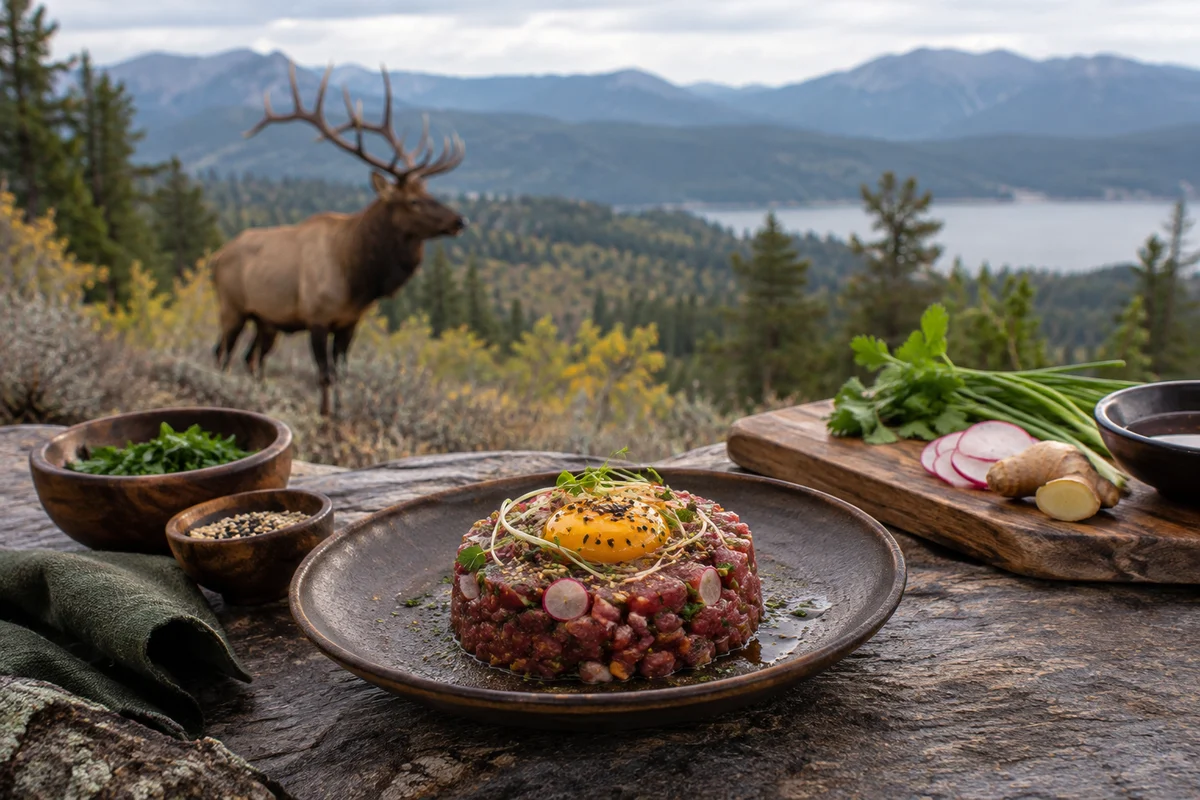
If you are planning a menu around wild game, the Asian elk tartare recipe discussion addresses an important contrast: raw game dishes carry food-safety risks and should not be treated as safe simply because meat was frozen. This chili is cooked through, but good handling and temperature checks still matter.
What mistakes should you avoid?
The most common problem is treating lean bison like fatty ground meat. High heat and prolonged uncovered cooking can leave it dry; batch browning and a gentle, moist simmer are more forgiving. Another common mistake is adding too much broth at the start. Start with the stated amount, then adjust as the pot cooks and the beans release some starch.
Do not add uncooked dried beans at the same time as canned-bean instructions and expect the same timing. Dried beans require their own preparation, and tomato acidity can interfere with softening. Likewise, do not use a cooler or outdoor temperature as a substitute for safe hot holding. At a gathering, serve promptly and refrigerate leftovers in shallow containers within food-safety time limits.
Finally, taste at the end. The right balance depends on the salt in your ingredients, the bean ratio and how much liquid evaporated. A little lime or vinegar at the table can brighten a rich bowl without changing the whole pot.
Serving, storing and reheating
Set out toppings separately so each person can finish a bowl to taste. Cornbread, rice or baked potatoes make practical accompaniments; a simple green salad adds contrast. For a camp meal, transport ingredients in a well-insulated cooler, keep raw meat sealed apart from ready-to-eat foods, and cook using a reliable heat source on a stable surface.
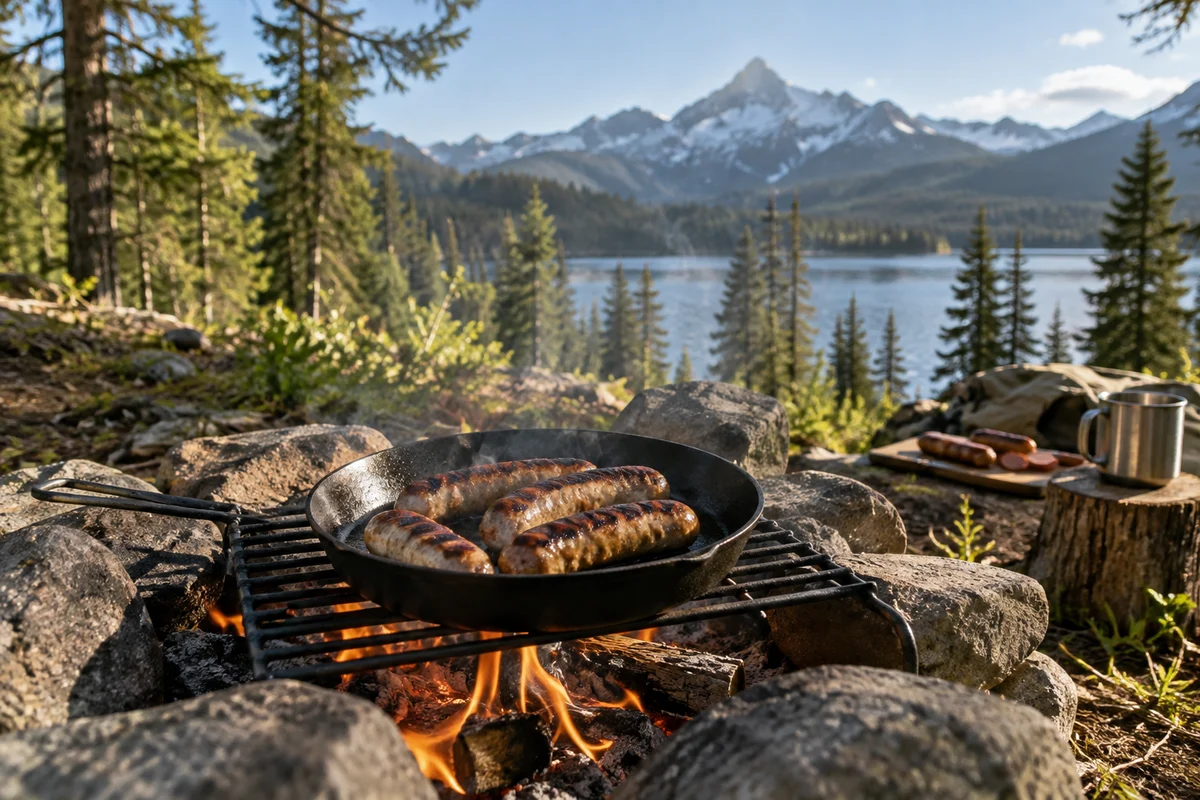
Refrigerate leftovers promptly in shallow, covered containers. Use them within the safe storage window in current USDA guidance, or freeze portions for longer storage. Reheat thoroughly, stirring so the center warms evenly; add a splash of broth if the chili has thickened in the refrigerator. The Realtree sausage overview can help when planning other protein options for an outdoor meal, though this recipe’s timing and seasoning are written for ground bison.
Frequently asked questions
Can I make this bison chili recipe ahead?
Yes. Cool and refrigerate it promptly, then reheat thoroughly before serving. The flavor often melds as it rests, and you can loosen the texture with broth when warming.
Can I substitute other beans?
Yes. Use cooked beans such as black beans or navy beans in place of either type. Drain and rinse canned beans, and adjust the salt after tasting because brands differ.
Is ground bison interchangeable with ground beef?
The cooking method is similar, but fat content can differ. Ground bison is often lean, so avoid overcooking and keep the simmer gentle. Follow package handling instructions and verify safe doneness with a food thermometer.
Sources & further information
Consult these primary sources for current regulations, technical information and local guidance.