Asian Elk Tartare Recipe: A Safer Cooked Alternative
Raw elk tartare can expose diners to foodborne pathogens, and freezing does not make raw wild game reliably safe. This ginger-soy elk bowl delivers bright, savory flavors with the meat thoroughly cooked.
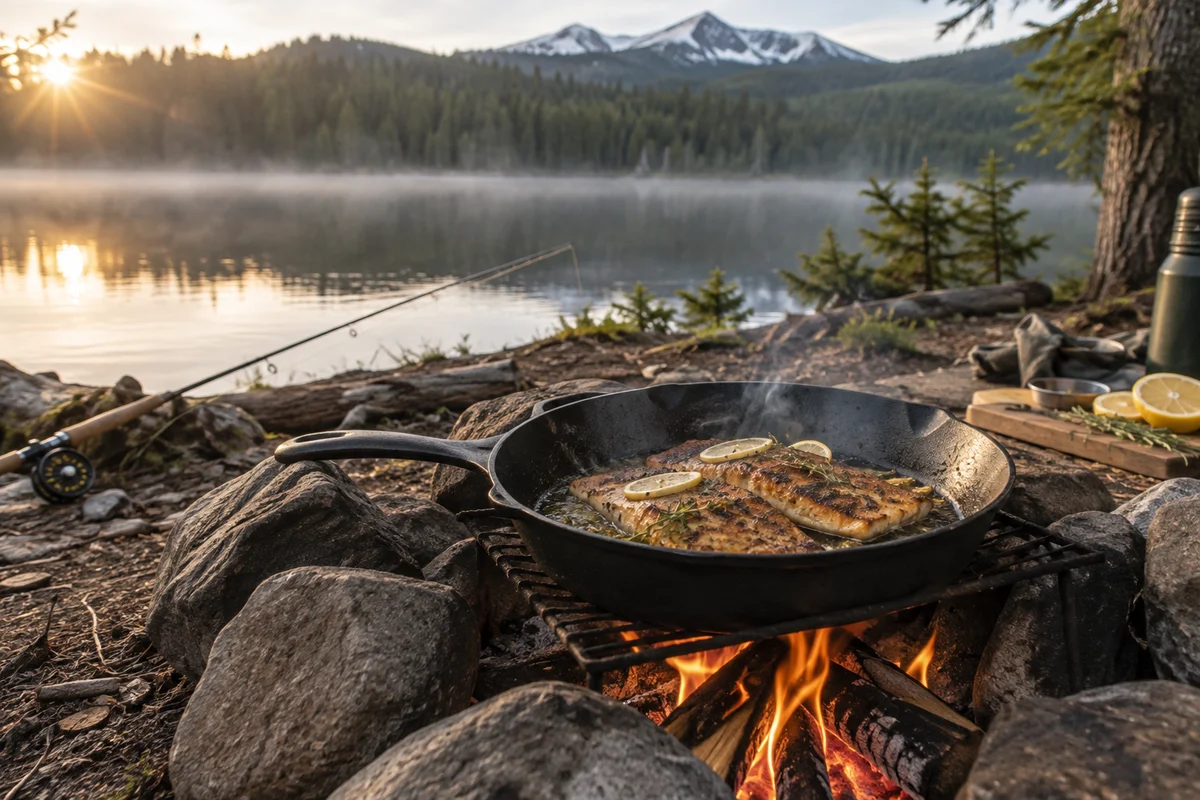
An asian elk tartare recipe may sound like a way to pair lean game with ginger, soy, sesame and bright aromatics, but serving elk raw carries food-safety risks. Wild game can harbor harmful pathogens, and handling or freezing meat does not make a raw preparation reliably safe. This version keeps the lively flavor profile while cooking the elk to a safe temperature. Use it as a practical starting point, then adjust the seasoning to your taste.
Why make a cooked version of elk tartare?
Tartare is ordinarily a raw-meat preparation. With wild game, the animal’s health, field handling, processing and storage can all affect contamination risk, and a home cook cannot verify safety by sight or smell. Grinding or finely chopping meat can also spread contamination across the portion. Freezing is not a dependable way to eliminate every pathogen or parasite that may be present.
A cooked bowl is the safer choice, especially for children, older adults, pregnant people and anyone with a weakened immune system. If you want to explore other game-meal ideas, browse more outdoor coverage for the broader hunting-and-cooking topic collection.
What ingredients make the flavors work?
For about four servings, use roughly 1 pound of boneless elk steak or stew meat, cut into small, even pieces. Keep the meat refrigerated until preparation. For the dressing, combine 2 tablespoons soy sauce, 1 tablespoon rice vinegar, 1 teaspoon toasted sesame oil, 1 teaspoon finely grated fresh ginger, and a small minced garlic clove. Have neutral cooking oil, sliced scallions, sesame seeds and cooked rice ready for serving. Optional additions include a little chili paste or finely diced cucumber.
These are adaptable kitchen proportions, not claims about a traditional or definitive dish. Check labels for allergens and choose lower-sodium soy sauce if desired. If you are cooking with another game meat, the methods and flavor balance may differ; a bison chili recipe offers a different way to build a hearty meal around game.
How should you handle elk before cooking?
Start with clean hands, clean utensils and a chilled work surface. Keep raw elk separate from ready-to-eat foods, and use a dedicated cutting board or wash and sanitize the board and knife before they touch other ingredients. Thaw frozen meat in the refrigerator, not on the counter. Trim away damaged or visibly contaminated portions; when in doubt about the meat’s handling or condition, do not serve it.
Cut the elk into pieces of similar size so they cook evenly. Although the dish takes inspiration from tartare, avoid finely mincing the meat before cooking: small pieces can overcook quickly and become dry. Prepare the sauce and toppings separately, and do not reuse a plate or utensils that held raw meat without washing them first.
How do you cook the elk and finish the bowl?
Heat a heavy skillet over medium-high heat and add a thin film of neutral oil. Cook the elk in batches rather than crowding the pan. Turn the pieces so their surfaces brown, then check the thickest pieces with a food thermometer. Ground elk and intact cuts require different safe-temperature guidance; follow current official guidance for the form of meat you have, and use a thermometer rather than color or timing alone. The U.S. Department of Agriculture’s Food Safety and Inspection Service provides consumer guidance on safe food handling and cooking at FSIS.gov.
For a mixed bowl that includes chopped or ground elk, follow the safe internal temperature guidance for ground meat. Once the meat reaches the applicable safe temperature, take the pan off the heat. Stir in the ginger-soy dressing, scallions and sesame seeds. Serve promptly over hot rice, with cucumber or lightly dressed greens for freshness. Avoid adding the dressing early enough to sit with raw meat, and discard any sauce that has contacted uncooked elk.
What are common mistakes with wild-game recipes?
The biggest mistake is treating “fresh,” “lean” or “frozen” as a guarantee of safety. None is a substitute for thorough cooking. Another is relying on a quick sear while leaving chopped or ground meat undercooked; contamination can be distributed through the meat, so the surface alone is not a reliable indicator.
Overcooking is a quality problem, not a reason to lower the safety target. Cut evenly sized pieces, cook in batches and measure the temperature. If the elk seems dry, serve it with warm rice and a modest amount of dressing rather than compromising safe cooking. Keep leftovers refrigerated promptly in a covered container and reheat them thoroughly.
For a broader look at outdoor food planning, the collection’s realtree sausage overview can help readers think about prepared meat products and meal components. Product details, ingredients and availability can change, so confirm current information directly with the manufacturer when relevant.
Can you adapt the recipe to different cuts?
Tender steak can be cut into small cubes and quickly cooked in batches; tougher pieces benefit from a longer, moist cooking method before being dressed. Do not assume that a cut’s tenderness tells you whether it is safe to eat raw. For ground elk, cook it thoroughly according to official guidance and check the center with a thermometer. If you do not know whether meat was ground under controlled conditions, that is another reason to avoid any raw preparation.
Adjust the finished bowl with vinegar for brightness, ginger for warmth or a small amount of chili for heat. Keep additions measured at first so the elk’s flavor is not overwhelmed. Serve the cooked mixture with rice, greens or vegetables, and refrigerate leftovers rather than leaving them at room temperature.
What should you remember about raw game?
A tartare-inspired seasoning can be enjoyable without serving raw elk. The safe approach is to keep the meat cold during preparation, prevent cross-contamination, cook it to the appropriate temperature for its form, and use reliable official food-safety guidance. No recipe can establish the safety of a particular animal or processing history. When that history is uncertain, choose a fully cooked meal or do not use the meat.
Frequently asked questions
Is it safe to eat elk tartare raw?
Raw elk can carry foodborne pathogens, and freezing or careful handling does not reliably make it safe. A fully cooked preparation is the safer choice.
Can freezing elk make it safe for tartare?
No. Freezing is not a dependable way to eliminate every pathogen or parasite that may be present in wild game. Cook the meat thoroughly and follow current official guidance.
How do I know when elk is safely cooked?
Use a food thermometer and follow current USDA guidance for the specific form of elk—such as an intact cut versus ground meat. Color and cooking time alone are not reliable safety checks.
Sources & further information
Consult these primary sources for current regulations, technical information and local guidance.