Coyote Pheasant Predation: What the Evidence Can Tell Us
Coyotes can prey on pheasants, but their presence alone does not show they are the main cause of nest or chick losses. Learn how to interpret signs and support better habitat.
Coyote pheasant predation is possible, but a coyote sighting does not establish that coyotes are the leading cause of pheasant nest or chick losses in a particular place. Pheasants face risks at several life stages, and those risks vary with habitat, weather, predator communities, and human land use. A useful assessment separates what is known from what a track, camera image, or missing nest cannot prove.
For hunters, land managers, and curious observers, the practical question is not whether coyotes ever take pheasants. They do. It is whether local evidence supports a meaningful effect, and what habitat steps can help birds regardless of which predator is present.
What does coyote predation mean for pheasants?
Coyotes are adaptable predators that eat a range of animal foods. A pheasant may be vulnerable as an adult, while eggs and young chicks face a different set of risks. Coyotes can be part of that picture, but they are not the only potential predators. Other mammals and birds may take eggs, chicks, or adults, and severe weather, poor nesting cover, and habitat fragmentation can also affect survival.
The phrase “major predator” needs a defined place, time period, and life stage. A predator that visits a field edge may not account for most nest failures across a landscape. Likewise, a lost nest does not identify its cause unless it was directly monitored or there is unusually clear evidence. Broad claims based only on sightings can turn a complex wildlife question into an unsupported conclusion.
Why is a nest loss hard to attribute?
A nest may be abandoned, flooded, trampled, or depredated. Even when eggs disappear, the evidence can be ambiguous: tracks overlap, weather alters sign, and scavengers may visit after another cause of failure. A camera can improve observation, but cameras have limits too. They sample a small area and can miss events or influence animal behavior if poorly placed.
Reliable local conclusions usually require repeated observations across enough nests and habitat types to distinguish patterns from isolated incidents. Researchers may document nest fate, vegetation, timing, and predator visits. The key is to avoid treating a single image or a coyote seen nearby as proof of causation.
For a landowner, keep notes that describe observations rather than conclusions: date, location, habitat, tracks or other sign, and whether the nest was actually monitored. Avoid disturbing active nests to seek evidence. Where formal monitoring is needed, consult a wildlife professional or state wildlife agency about appropriate methods and permits.
How do cover and landscape shape risk?
Pheasants need a connected mix of nesting cover, brood-rearing habitat, and places to escape harsh weather. Grassland cover can provide nesting sites, while diverse vegetation and nearby edges can offer chicks access to insects and shelter. A field of uniform, closely cut vegetation may provide little protection even if it looks open and convenient to people.
Habitat quality does not make predation disappear, nor does it guarantee a successful nest. It can, however, give birds more places to nest, feed, and move through a landscape. Larger, connected blocks of suitable cover may also be more useful than isolated strips surrounded by frequent disturbance. The best choices depend on local soils, farming practices, and wildlife objectives, so seek regional guidance before changing vegetation or drainage.
Timing matters. Mowing, burning, or other disturbance during nesting can destroy nests or expose birds. Land managers should follow local recommendations for timing and permits rather than assuming one calendar date works everywhere. When practical, plan habitat work outside sensitive nesting periods and coordinate with conservation staff.
What can people responsibly do?
Start with habitat and observation, not predator removal based on assumption. Protect existing grassland and shrub cover where appropriate, reduce avoidable disturbance during nesting, and consider conservation programs available in the region. If a site is managed for pheasants, assess whether nesting cover, brood habitat, and escape cover are present across the property rather than focusing on one predator species.
Do not feed or deliberately attract wildlife near nesting areas. Food sources can concentrate animals and create conflicts without solving the underlying habitat problem. Keep domestic dogs under control around nesting cover, and follow posted access rules. For broader small-game reading, explore more outdoor coverage on habitat, wildlife, and field practices.
Predator management is a specialized decision, not a default response to seeing coyotes. It can have ecological, legal, and practical consequences, and local rules differ. Anyone considering management should consult the relevant wildlife agency and qualified professionals, identify a documented objective, and assess whether habitat or disturbance is the more important limiting factor. Do not handle wildlife or set traps without understanding local law and safety requirements.
How should you interpret tracks, cameras, and sightings?
Treat each as a clue with limits. A track confirms that an animal passed through; it does not establish what the animal ate. A camera records activity within its view, not the full predator community or every nest outcome. A coyote seen near a field may be traveling, hunting other prey, or simply moving through its range.
Use multiple kinds of evidence when possible, and be precise about what each shows. A documented visit to a monitored nest is stronger evidence than a nearby sighting, but it still does not by itself show the predator’s share of losses across a whole region. Compare observations across time and sites, and distinguish confirmed events from inference.
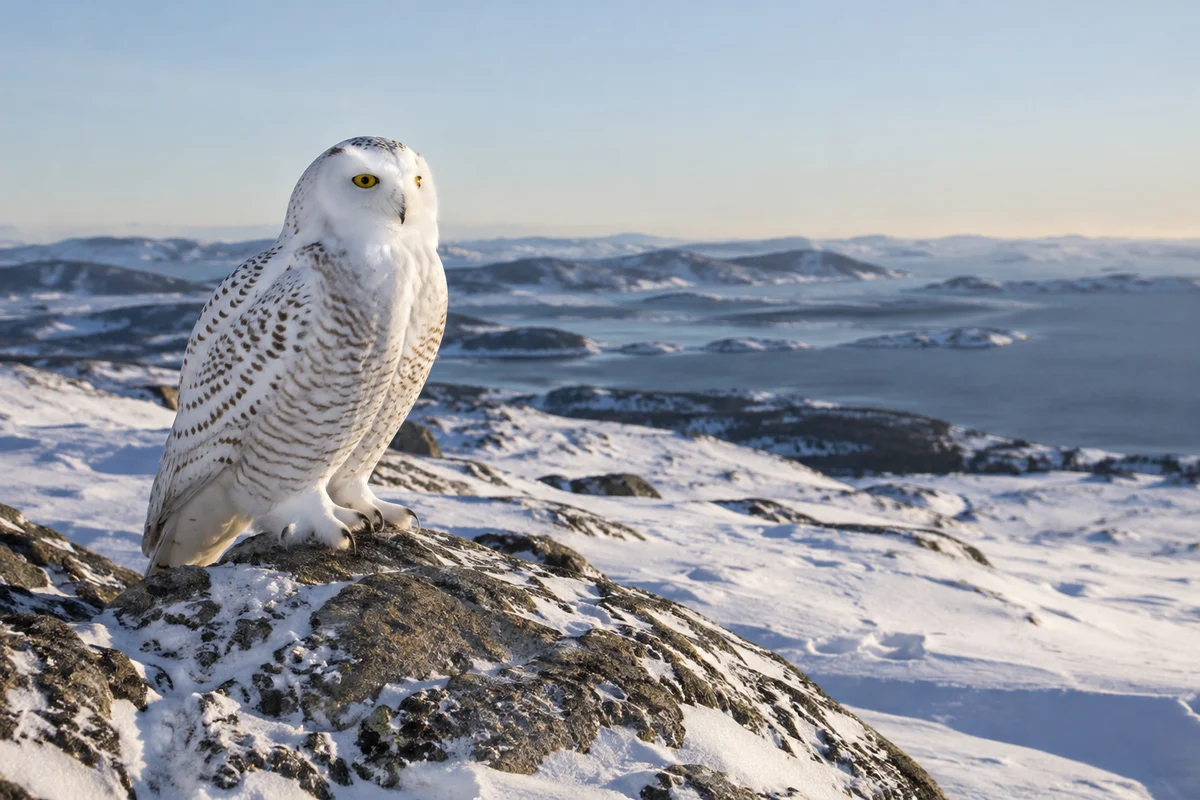
This habit of careful interpretation applies to wildlife topics generally. For example, reading about facts about snowy owls is more useful when observation, seasonal movement, and uncertainty are kept distinct. If managing a small property, practical wildlife questions also intersect with how to make squirrel bait station; any feeding or attractant setup should be checked against local rules and the risk of drawing animals into conflict.
What should hunters and bird watchers keep in mind?
Pheasant abundance can change with habitat, weather, access, and management, so a local impression is not a population survey. Hunters should follow current season and harvest rules from the state agency, respect private property, and avoid disturbing nesting cover. Bird watchers can contribute useful observations by recording locations responsibly without publicizing sensitive nest sites.
Avoid moving eggs, chicks, or adult birds. If an animal appears injured or orphaned, contact a licensed wildlife rehabilitator or agency for advice; well-intended handling can cause harm and may violate regulations. Report unusual mortality through official channels when requested, rather than drawing conclusions from a single event.
The central lesson is straightforward: coyotes can prey on pheasants, but claims that they are the major cause of nest or chick losses need evidence specific to the place and period. Habitat stewardship, careful monitoring, and locally informed decisions are more dependable than reacting to a sighting alone.
Frequently asked questions
Do coyotes eat pheasants?
They can. Coyotes are generalist predators, but a coyote’s presence does not show how often it takes pheasants or what share of local losses it causes.
Can tracks identify what happened to a pheasant nest?
Tracks may show that an animal passed nearby, but they usually cannot prove that it destroyed a nest. Direct monitoring and repeated observations provide stronger evidence, though they still have limits.
What is the most useful first step for supporting pheasants?
Assess local habitat and avoid unnecessary disturbance during nesting. Contact your state wildlife agency or a conservation organization for recommendations suited to the region and current regulations.
Sources & further information
Consult these primary sources for current regulations, technical information and local guidance.