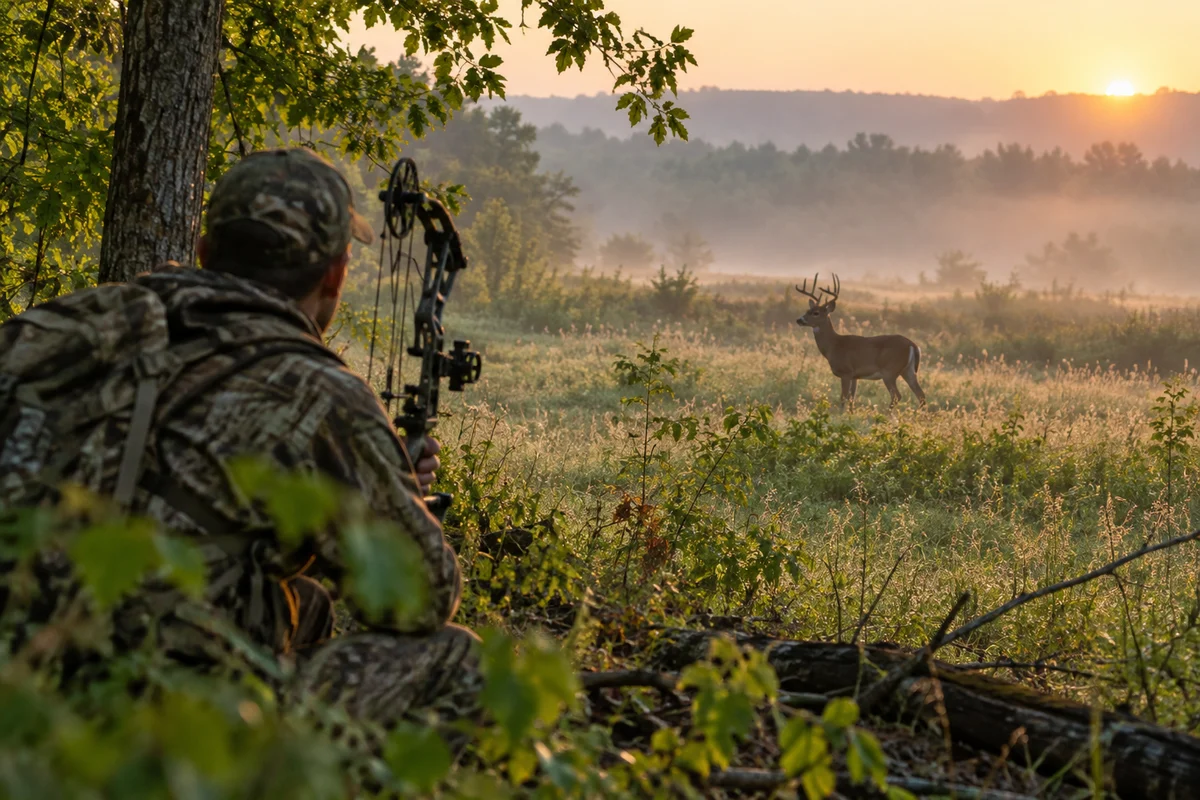
Aim Small: A Practical Guide to Precision and Ethical Hunting
“Aim small, miss small” is a reminder to focus on a precise aiming reference—not a substitute for practice, sound judgment, or responsible shot selection.
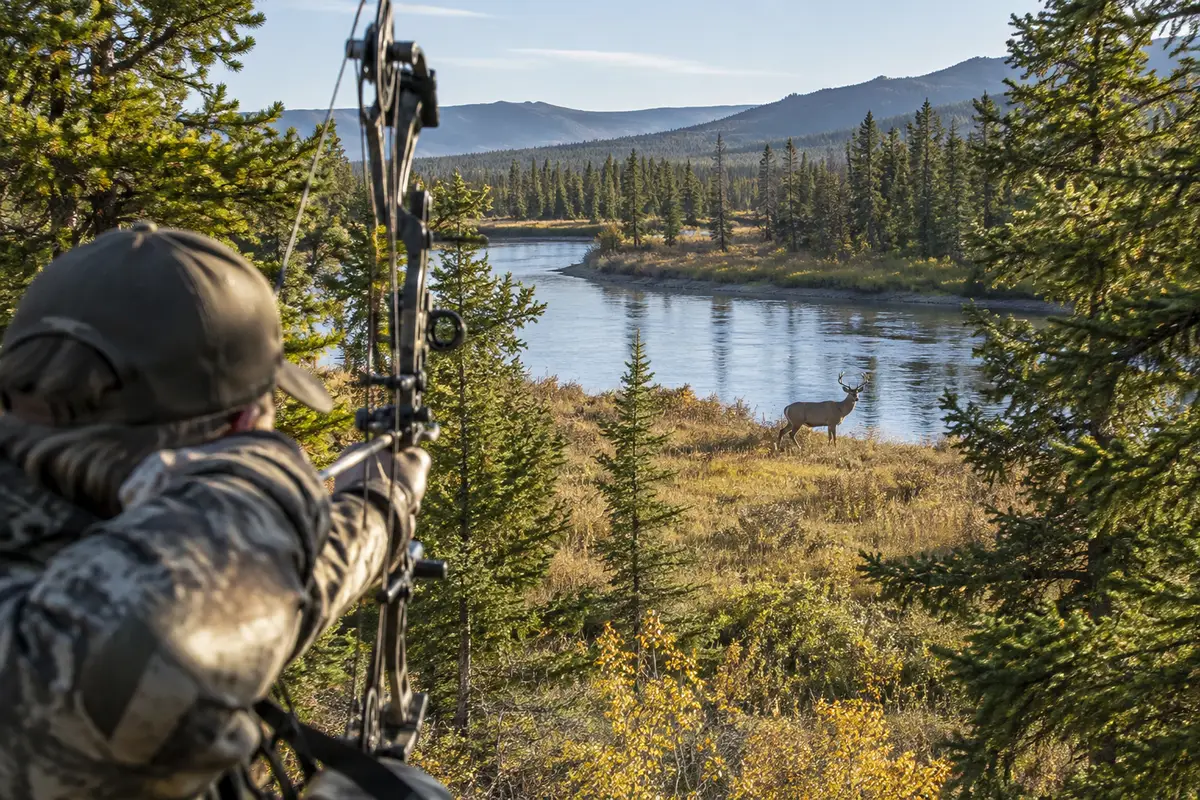
“Aim small” is a familiar phrase in archery and hunting, but its value is practical rather than magical: choose a precise aiming reference, build a repeatable setup, and make the shot only when conditions support it. A smaller point of focus can help prevent vague aiming, yet it cannot correct poor form, an unstable position, unsuitable equipment, or a shot beyond your demonstrated ability. Ethical hunting begins with knowing when not to release.
What does “aim small” mean in the field?
The phrase means narrowing attention to a clearly defined aiming reference rather than looking generally at an animal or target. On a practice target, that might be a small, high-contrast mark. In hunting, the aiming reference must be informed by the animal’s anatomy, angle, movement, and the safe shot opportunity—not merely by the smallest visible spot.
Keep the idea grounded. A precise point of focus can support concentration, but hunting is not target practice with a living subject. Animals move, brush obscures details, and angles change. If you cannot identify a responsible shot opportunity with confidence, wait or let the animal pass. The goal is not to force a shot; it is to make a considered decision when the conditions are right.
Why a precise aiming point helps
A broad instruction such as “hold on the target” leaves room for attention to wander. Selecting a defined point encourages the archer to keep their eyes and attention in one place through the shot. That can make practice more consistent and reveal whether the issue is aim, stability, follow-through, or equipment setup.
It also gives practice a useful structure. Rather than judging a session by a few impressive arrows, note whether your routine stays consistent across ordinary shots. If groups spread when you change position or become fatigued, that is information: those conditions may not yet be reliable in the field. Do not shrink the imagined aiming point to disguise inconsistency. Work on the cause, then reassess at a distance and from positions you can safely reproduce.
Build a repeatable shot routine
A dependable routine is simple enough to recall under pressure and deliberate enough to expose mistakes. Start by checking your footing and balance. Use a stance or supported position you have practiced, and make sure clothing, bowstring, and nearby branches will not interfere. Settle into your normal anchor and posture, then bring attention to the selected reference.
Keep the sequence consistent, but do not turn it into a rushed checklist. If your balance shifts, the animal moves, or the available lane changes, let down or pause when safe. Follow-through matters: maintain attention and posture through the release rather than dropping the bow to check the result. A clean routine cannot guarantee a perfect outcome, but it helps distinguish a controlled shot from one made in haste.
Practice should resemble the conditions you may encounter, within safe limits. Include realistic clothing, varied legal positions, and manageable distances. Use a suitable target and a secure range with a clear backstop; follow range rules and equipment guidance. If you are developing nighttime field awareness, this guide to flashlights for hunting and tracking game can help you think through visibility and safe navigation without treating light as a replacement for positive identification or applicable hunting rules.
Match the shot to your demonstrated ability
There is no universal distance that makes a shot ethical for every archer, setup, or condition. Your limit is the distance and situation in which you can repeatedly place arrows where intended, under the positions and constraints you have actually practiced. It should be conservative. A calm practice range does not reproduce every field variable, and a single successful arrow does not establish a dependable limit.
Consider more than range. Wind, low light, steep angles, an obstructed lane, an unfamiliar position, animal movement, and physical fatigue can all change the decision. So can uncertainty about what lies beyond the target. If any of these make the shot less controlled, increase your margin by waiting, repositioning only when safe and lawful, or declining the opportunity.
Never use a distant object or a vague silhouette as a reason to test your limit on game. Know the relevant regulations for the place and season, including equipment and shooting restrictions. The hunting and archery section brings together more outdoor coverage for planning skills, gear, and field decisions.
Make anatomy and angle part of the decision
Aiming small does not mean aiming at an arbitrary tiny spot. A responsible aiming reference depends on the animal’s anatomy and its position. Broadside, quartering, and sharply angled presentations do not offer the same considerations. Brush, tall grass, and other obstructions can conceal important parts of the animal or deflect an arrow. If you cannot see enough to make a careful decision, do not release.
Learn species-specific anatomy from reputable instruction and practice with targets that help you understand shot placement. Do not assume a diagram or a familiar phrase covers every angle. If the animal turns or steps during your draw, reassess rather than trying to preserve a plan that no longer fits. Respectful hunting includes recognizing uncertainty and accepting that some opportunities should be passed up.
Equipment and conditions: control what you can
A consistent setup supports consistent practice. Check that your equipment is appropriate for your experience and intended use, inspect it according to the manufacturer’s guidance, and seek qualified help if something is damaged or behaving unexpectedly. Do not make unfamiliar adjustments in the field. Keep broadheads and other sharp equipment handled and stored safely, and use targets designed for the equipment you are practicing with.
Field observation can inform preparation, but it does not guarantee an encounter or a safe shot. A trail camera may show movement patterns while leaving important questions unanswered; the comparison of PlotWatcher Pro and a basic trail camera offers context for thinking about what different observation tools can and cannot tell you. Use such information within local laws and ethical standards, and avoid letting a prediction create pressure to take a shot when the conditions are poor.
Common mistakes—and when to stop
One mistake is treating a smaller aiming point as a cure for a shaky position. Another is practicing only from a comfortable stance, then assuming the same precision will carry over to kneeling, elevated, or awkward field positions. A third is extending distance because a few arrows landed well. Record patterns honestly; repeatability matters more than a lucky result.
Aiming at a spot without evaluating the full scene is another failure. Confirm the target, the lane, what lies beyond it, and whether the shot is lawful and responsible. In low light or clutter, do not rely on equipment alone to identify an animal or make a shot safe. If you are rushed, uncertain, unsteady, or unable to maintain a clear view, stop. Passing on a shot is a sound hunting decision.
Finally, plan for what happens after the release. Be prepared to observe carefully, follow local requirements, and respond responsibly if the result is uncertain. A calm, ethical approach matters more than preserving an idealized shot routine.
Put the phrase in its proper place
“Aim small, miss small” is most useful as a cue for attention during deliberate practice. It is not a promise that precision follows automatically, and it does not override anatomy, range limits, safety, or judgment. Define a clear reference, practice a repeatable setup, and be honest about the conditions in which you can perform consistently. In the field, take only a shot you can make responsibly—and let the rest go.
Frequently asked questions
Does aiming at a smaller spot automatically make an archer more accurate?
No. A specific aiming reference can focus attention, but accuracy also depends on repeatable form, equipment, practice, position, and conditions.
How should a hunter decide whether a shot is within range?
Use a conservative limit based on repeatable practice from relevant positions and conditions. If movement, visibility, angle, or stability makes the shot uncertain, pass.
What should an archer do if the animal moves after aiming?
Reassess the situation. Do not force the original plan; pause or let down when safe, and take no shot unless the new opportunity is clear, lawful, and responsible.
Sources & further information
Consult these primary sources for current regulations, technical information and local guidance.