Siamese Carp World Record: How to Verify a Catch
A striking catch story can travel faster than its evidence. Here’s how anglers can assess a claimed Siamese carp record, document a fish responsibly, and understand what “world record” actually means.
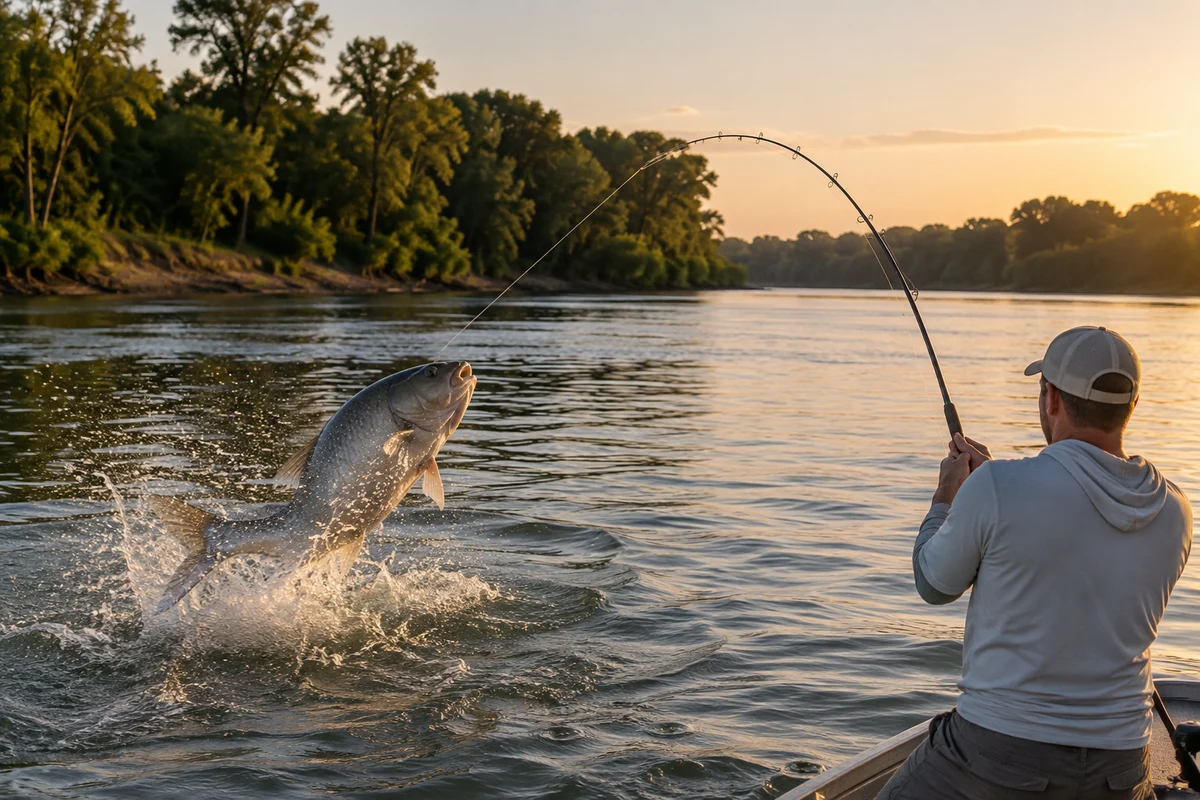
A siamese carp world record claim deserves careful checking before it becomes a settled fact. A dramatic account may mention a short fight or a large fish, but those details alone do not establish a recognized record. Anglers need to know which organization is being cited, what species was identified, how the fish was weighed, and whether the catch met that organization’s rules. Treating those questions separately helps readers appreciate the fishing story without turning an unverified claim into a ranking.
What does “world record” mean?
There is no single authority that automatically certifies every fishing record. Organizations maintain their own categories and standards, and a claim may refer to an all-tackle record, a line-class record, a local record, or simply the largest fish an angler has heard reported. Those labels are not interchangeable.
The International Game Fish Association (IGFA), for example, maintains record categories and publishes requirements for applications. A fish that appears exceptionally large is not automatically an IGFA record: the catch must fit a recognized category and satisfy the organization’s documentation rules. Conversely, a fish can be noteworthy without being submitted to a formal registry at all.
When encountering a headline or social post, ask what “record” refers to. Is there a named registry entry that can be checked? Is the statement attributed to an angler, a venue, or a news report? Does it mean a species record, a regional mark, or a personal best? If the source does not specify, the responsible wording is “reported catch” or “record claim,” not a confirmed world record.
Is the fish correctly identified?
Common names can create confusion. “Siamese carp” generally refers to Catlocarpio siamensis, a large freshwater fish native to Southeast Asia. Common names may vary by region, and casual descriptions can be imprecise. A record claim therefore needs a reliable species identification, not just a size estimate and a familiar label.
Photographs can help, but a single image may not show features needed for confident identification. Capture clear views from the side and, where safe and appropriate, details that help distinguish the fish. Avoid handling a large fish longer than necessary just to obtain a better picture. If identification is uncertain, describe the uncertainty rather than presenting a guess as fact.
Scientific names are useful when comparing reports, but they do not replace a qualified identification. A registry or fisheries authority may have its own requirements for species confirmation. The IGFA’s record information is a useful starting point for understanding formal record categories and application standards; it should not be treated as proof of a particular catch unless that catch appears in its records.
What evidence makes a claim checkable?
Good documentation is created at the water, not reconstructed later from memory. Before fishing, an angler pursuing a possible record should review the rules of the specific registry and prepare appropriate measuring and weighing equipment. Requirements can differ by category, so a general checklist cannot guarantee eligibility.
Useful records often include:
- Clear photographs of the fish and the angler, with enough context to show the catch rather than relying on a close crop.
- The scale reading, scale identification, and information about calibration or verification, as required by the relevant rules.
- Measurements and tackle details when the category requires them.
- The date, location, witnesses, and a straightforward account of how the fish was caught.
- Any forms, signatures, or additional images required by the registry.
Keep original files and notes. Do not edit a scale display into an image, omit contradictory information, or state a precise weight when the scale’s accuracy is unknown. If a fish is released, document it quickly and prioritize its condition; a record attempt is never a reason to prolong handling or risk the fish’s survival.
Does an 80-minute fight prove anything?
A reported fight duration can make a story vivid, but it is not a record criterion by itself. The time may be an angler’s estimate, and different people may define the start and end of a fight differently. Even when accurately reported, duration does not verify the fish’s species, weight, tackle category, or eligibility.
The same caution applies to claims about how hard the fish fought. Fish behavior depends on many factors, including water conditions, tackle, and the individual fish. A narrative detail can be worth including as an attributed account, but it should not be presented as independent confirmation of a record.
Readers interested in how record claims are discussed across species can compare the evidence questions raised in this world record snakehead report. Different species and categories bring different verification details, but the core distinction remains: a compelling story and a certified record are not the same thing.
Why do tackle and eligibility matter?
Record organizations define what counts for each category. A fish may be considered under an all-tackle category or a particular line class, and the application may require specific details about the gear and capture. Readers should consult the registry’s current rules rather than infer eligibility from a brief article.
This matters especially when a story mentions unusual tackle, specialized reels, or a particular line setup. Product names do not establish that a catch qualifies, and descriptions should not be confused with an endorsement. For a general look at how lure technology can become part of angling discussion, see this overview of SpoolTek lures; it is separate from determining whether any individual catch meets record rules.
A sound account avoids filling gaps with assumed specifications. If a report does not identify the scale, line class, or submission status, say that those details are not established in the available account. That is more useful than repeating a precise-sounding label without supporting evidence.
How can anglers handle a large carp responsibly?
Large fish can be vulnerable to rough handling, especially when they are out of water. Plan ahead: use suitable landing and weighing equipment, keep the fish supported horizontally, wet hands and contact surfaces, and limit exposure to air. Follow local regulations and venue guidance, which may address species management, transport, or release.
Do not move live fish between waters. Releasing a fish where it was caught, when legally permitted, helps avoid ecological harm. In regions where a species is nonnative or local rules require a different response, follow the applicable wildlife authority’s instructions rather than assuming catch-and-release is always lawful or appropriate.
The U.S. Fish and Wildlife Service provides broad information about fish and aquatic resources at fws.gov. For specific rules, anglers should consult the relevant state or national authority for the water they are fishing. General conservation guidance cannot substitute for local regulations.
How should readers describe an uncertain record?
Use precise language that separates what is known from what remains unverified. “An angler reported catching a large Siamese carp” describes a report. “The fish was submitted to a named registry” describes a submission, if that fact is confirmed. “The registry recognizes the catch in a particular category” is a stronger claim and should be supported by the registry’s own listing or confirmation.
That distinction preserves the excitement of an unusual catch while respecting the work required to verify records. A fish can be memorable, important to an angler, and worthy of coverage even if no formal record is established. For further freshwater fishing features and practical coverage, explore more freshwater fishing coverage.
Frequently asked questions
Does a long fight confirm a Siamese carp world record?
No. Fight duration does not verify species, weight, tackle category, or registry eligibility. A record claim depends on the rules and evidence required by the relevant organization.
How can I check whether a Siamese carp catch is an official record?
Identify the organization and category named in the claim, then check that organization’s published record information or confirmation. A news story or social post alone is not equivalent to a registry listing.
What should anglers do when documenting a possible record fish?
Review the registry’s current rules before fishing, record the required measurements and scale information, retain original documentation, and keep the fish’s handling brief and supportive. Follow local fishing and release regulations.
Sources & further information
Consult these primary sources for current regulations, technical information and local guidance.