Triton Fish-Ski Boats: How to Judge the Allure Concept
A fish-ski boat aims to serve two very different days on the water. This guide explains how to evaluate the Triton Allure idea through practical layout, capacity, handling, and ownership questions—without assuming unverified model specifications.
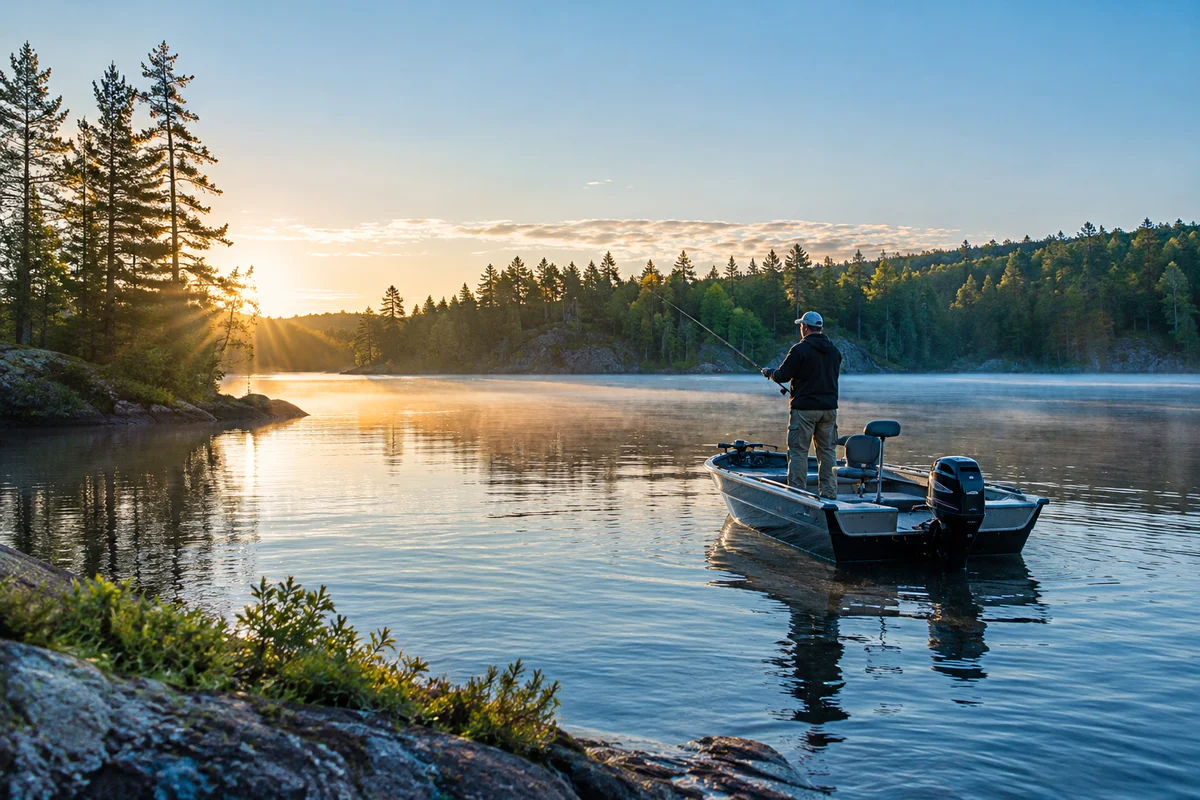
A triton fish ski boat promises a useful compromise: enough fishing-oriented organization for a quiet morning, with seating and open-water manners that suit a family afternoon. The appeal of the Triton Allure name is that blend, but a model name alone does not establish a boat’s dimensions, equipment, or current availability. Treat any listing or older announcement as a starting point, then verify the specific hull and its documentation.
The central question is not whether one boat can technically fish and tow a skier. It is whether the particular configuration supports both activities safely and comfortably without making either feel like an afterthought. Start with how many people will usually be aboard, the waters you use, and the fishing or recreation tasks you actually do.
What does “fish-ski” mean in a boat?
A fish-ski boat is a multipurpose layout intended to accommodate angling and general recreation. Depending on the model and its options, a boat in this broad category may prioritize convertible seating, walkable deck space, fishing stations, storage, or tow-sport utility. Those features are not universal, and the term is not a guarantee of a particular hull design or factory package.
For the Triton Allure in particular, verify the year, exact model designation, hull identification number, and installed equipment on the boat you are considering. Specifications and availability can vary by year, trim, dealer-installed additions, and condition. Consult the original owner’s manual or manufacturer information for the exact boat rather than inferring features from the Allure name.
How should you evaluate the layout?
Walk through the boat as if you were using it on both kinds of outing. For fishing, imagine moving from the helm to the casting or seating area while carrying a rod. Check whether rods can be secured, whether tackle and personal gear have distinct storage, and whether the fishing positions provide room to cast without sweeping across passengers. Ask how livewell or fish-storage features are configured if they matter to your fishing; confirm capacity and operation in the manual, not from a generic description.
Then picture a recreational day. Is there comfortable seating for the people who will regularly come along? Can passengers move around without stepping over loose equipment? Is there a suitable place for life jackets and other safety gear? For towing activities, determine whether the boat and its installed equipment are expressly rated and configured for the intended use. Never infer towing suitability from horsepower, appearance, or a seller’s shorthand.
A simple onboard inspection can reveal compromises that a brochure photograph hides. Bring the family members who will use the boat, sit in each seat, open accessible storage, and assess whether fishing gear can be stowed when the boat is in recreation mode.
What should you compare before deciding?
Use a requirements-first comparison rather than beginning with a feature list. The “best” arrangement depends on your common trip, not on the longest specification sheet.
| Decision point | Fishing day | Recreation day | What to verify on the exact boat |
|---|---|---|---|
| Seating and movement | Clear casting lanes and access to fishing positions | Comfortable seating and safe passage | Seat arrangement, removable or convertible parts, and condition |
| Storage | Tackle, rods, and wet gear kept organized | Bags and safety equipment stowed securely | Actual compartments, rod accommodation, latches, and water intrusion |
| Deck and working space | Stable footing and useful access | Room for passengers to move | Layout with seats in the positions you will use |
| Power and handling | Control at low speeds and in likely fishing conditions | Appropriate operation for the intended recreation | Manufacturer’s ratings, current condition, and qualified inspection |
| Capacity | Space for anglers and fishing equipment | People, gear, and activity-specific load | Capacity plate and applicable manual; do not exceed limits |
| Trailer and storage | Practical launch and retrieval routine | Towing and off-season storage fit | Trailer condition, tow vehicle limits, and storage dimensions |
The table is a decision aid, not a substitute for the boat’s official capacity plate, manual, or inspection. If an important capacity or rating is missing or illegible, resolve that uncertainty with the manufacturer or a qualified marine professional before use.
Is a multipurpose boat right for your water?
Think about where the boat will spend most of its time. A broad, open layout may be attractive for mixed use, while a smaller or more protected-water routine can make different priorities—such as easy launching, storage, or low-speed maneuverability—more important. Match the hull and equipment to the conditions the manufacturer permits, and account for wind, waves, current, and the experience of the operator.
The right comparison is not limited to other fish-ski boats. A dedicated fishing boat may provide more specialized fishing organization; a general-purpose runabout may devote more of its interior to passenger comfort. If you are comparing layouts, the Tracker Targa V-20 WT overview and Tracker Deep V multispecies boats guide offer useful neighboring categories to consider. Compare the actual configurations and intended uses, not just the names.
For broader model and boating context, browse the boat news and fishing-boat coverage. A category page can help you identify the questions to ask, but specifications must still be checked against authoritative materials for the individual boat.
What safety and ownership details deserve attention?
Before operating, review the boat’s capacity plate and owner’s manual. Capacity limits apply to people, equipment, and loading; a boat that feels spacious at the dock can handle differently when heavily loaded. Use properly fitted life jackets as required by applicable law, and make sure passengers understand where safety equipment is stored. The U.S. Coast Guard’s boating safety resources provide general guidance, while local requirements may add rules for your location and activity.
For a used boat, inspect the hull, transom, steering, controls, wiring, bilge area, and trailer, or arrange a qualified marine survey. Ask for maintenance records and confirm that the engine and onboard systems match the paperwork. Test equipment only in a safe, appropriate setting. A visual walk-through cannot establish mechanical condition, and a clean interior is not proof of sound structure.
Ownership also includes storage and transport. Confirm the boat’s actual loaded weight, trailer rating, and tow-vehicle limits using reliable documentation; do not rely on a dry-weight figure alone. Consider launch-ramp access, winter storage, routine cleaning, and the time needed to switch between fishing and recreation configurations. If conversion requires moving seats or gear, make sure that process is realistic for the people who will do it.
A practical decision framework
Before you make a shortlist, write down your typical crew size, main water conditions, most frequent activity, storage constraints, and the gear you need aboard. Mark each item as essential, desirable, or irrelevant. Then inspect each candidate in the same order: documentation and capacity, layout, storage, condition, handling suitability, and transport fit.
A fish-ski design makes sense when both uses are genuinely regular and the specific layout supports them without unsafe loading or awkward compromises. If one activity dominates nearly every outing, a more specialized boat may be a better match. For the Triton Allure, rely on the precise year’s documentation and the condition of the individual boat; do not assume that an older product reference describes a current offering or every configuration.
The useful promise of a fish-ski boat is flexibility, not a guarantee that every task will be equally well served. A careful inspection, honest accounting of your usual trips, and confirmation of ratings can turn that promise into a sound decision—or help you recognize when another style of boat better fits your days on the water.
Frequently asked questions
What is a fish-ski boat designed to do?
It is a multipurpose boat category intended to support fishing and general recreation. Exact layouts and capabilities vary by model, year, and equipment, so verify the specific boat’s manual and ratings.
How can I verify the specifications of a Triton Allure?
Confirm the exact model year and hull identification number, then consult its owner’s manual and manufacturer information. Check the capacity plate and inspect the installed equipment rather than relying on a name or old listing.
What matters most when choosing a fish-ski boat?
Start with your normal crew, water conditions, primary activities, storage, and transport limits. Then compare layout, capacity, equipment condition, and documented suitability for your intended use.
Sources & further information
Consult these primary sources for current regulations, technical information and local guidance.