Ranger Deep V Boats: How to Choose a Fishing Layout
A practical guide to assessing Ranger aluminum deep-V fishing boats without assuming every model shares the same equipment or dimensions. Compare hull behavior, capacity, layouts, and documentation before deciding what fits your waters.
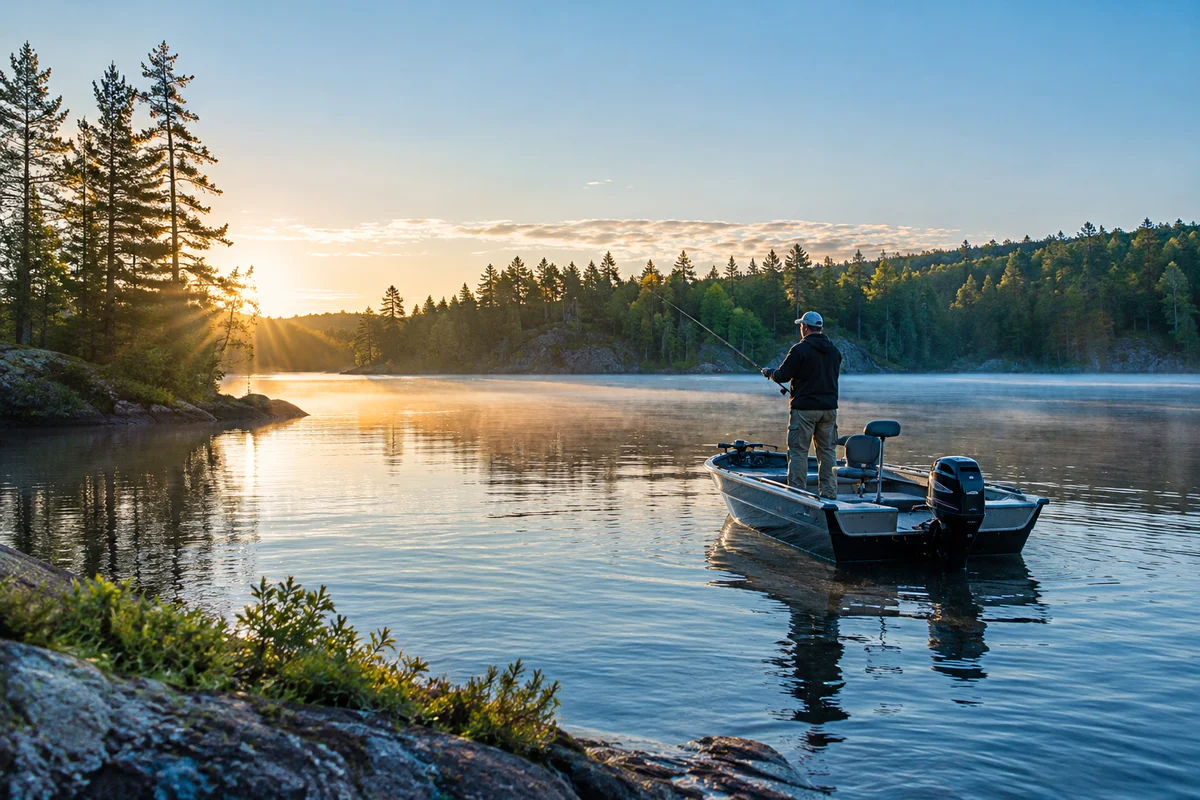
Ranger deep V boats are worth evaluating as a combination of hull shape, fishing layout, construction, and intended water—not as a single standardized package. Model names and equipment can change, and details such as dimensions, rated capacity, engine limits, and included features need to be checked against the exact boat’s current manufacturer information and capacity plate. This guide explains what an aluminum deep-V design can offer, what to inspect, and how to decide whether a particular layout suits your fishing.
What does “deep V” mean on an aluminum fishing boat?
A V-shaped bottom meets the water along a central keel, with the hull’s sides rising outward. A deeper V generally parts waves at a sharper angle than a flatter-bottomed hull, which can make a difference when wind-driven chop or boat wakes are part of a normal day. The trade-off is that hull shape alone cannot promise a smooth ride: hull dimensions, weight distribution, load, speed, water conditions, and operator decisions all matter.
“Deep V” is a useful category, not a complete performance specification. Two boats with that description can differ substantially in beam, length, deadrise, hull construction, cockpit arrangement, and intended use. When comparing Ranger models, look for model-specific drawings and specifications rather than inferring one boat’s behavior from another. The freshwater boat-news hub is a useful place to explore related boat coverage, including other hull and layout discussions.
When can an aluminum deep V make sense?
An aluminum deep-V fishing boat may be a sensible candidate for anglers who want an enclosed, versatile fishing platform and regularly encounter variable conditions. Its usefulness depends on the actual model and how it will be operated. Consider where you launch, the typical distance you travel, whether you fish alone or with others, and whether the boat must also serve as family transport or as a platform for more than one fishing style.
Aluminum construction is often valued for a practical balance of weight and durability, but no construction material makes a boat immune to impact or neglect. Inspect welds, seams, transom areas, keel and chines, and any visible repairs. Ask how the boat has been stored and maintained, and look for signs of corrosion or water intrusion where applicable. If you are comparing brands, the article on the Lund 1850 Impact XS offers another example of how a specific fishing boat’s intended use and configuration deserve attention; it is not a substitute for comparing exact specifications.
Which layout details matter most for fishing?
Start with the fishing you actually do. A casting-focused angler may prioritize open floor space, stable footing, reachable rod storage, and a bow area that stays clear when moving between positions. Trolling or multi-angler trips may place more value on seating flexibility, secure rod storage, electronics mounting locations, and a cockpit that remains usable when gear is aboard. Storage counts are less informative than storage access: check whether compartments fit your tackle, whether lids can open unobstructed, and whether frequently used items have a secure place.
Walk through the boat as if preparing for a real outing. Where do rods go while underway? Can passengers sit without blocking the fishing area? Are controls, cleats, and latches reachable without awkward movement? Consider livewell or bait-system details only if they are part of the exact configuration you are reviewing, and verify their dimensions and operation with the manufacturer’s documentation. The Ranger 1880 Angler overview can help orient a comparison around a named model, but equipment and specifications should always be confirmed for the particular year and boat.
How should you compare capacity and power information?
Use the capacity plate and the manufacturer’s documentation for the specific boat. Follow its stated limits for people, weight, and horsepower; do not estimate safe capacity from a similar-looking hull, a marketing description, or an online discussion. Total load includes people and gear, not just the items that seem substantial. Batteries, fuel, electronics, anchors, and accumulated tackle all count toward the boat’s operating load.
When comparing engine options, verify the applicable rating and the actual installed setup. A higher horsepower rating is not a recommendation to operate at a particular speed, and engine choice does not erase the effects of loading, trim, visibility, weather, or operator experience. Ask for the owner’s manual and model-specific information, including any limits or operating guidance. For general boating education and safety resources, consult the U.S. Coast Guard’s boating safety site. On the water, use required safety equipment and adjust operation to conditions rather than treating a hull label as a guarantee of capability.
What should you inspect before choosing a specific boat?
For a new boat, make a written list of the model year, included equipment, optional packages, engine, trailer, and any items that are not part of the quoted configuration. Compare that list with the manufacturer’s current materials and the documents for the specific boat. Ask the seller or manufacturer to clarify any mismatch; avoid assuming a photograph or general model page represents every configuration.
For a used boat, inspect the hull and transom carefully, check the trailer and tires, and ask for maintenance records where available. Look at wiring, bilge areas, steering, controls, batteries, and onboard systems. Operate components only as appropriate and with the owner’s permission. A qualified marine technician can help assess concerns that are not obvious in a walk-around. Check that identification and ownership documents match, and confirm that safety equipment is present and serviceable. Treat repairs, unusual wear, or missing documentation as questions to resolve, not as proof of a particular history.
How do you decide whether a Ranger deep V fits your waters?
Write down your normal conditions before comparing trim levels. Include the waterbody type, typical chop, launch constraints, storage space, passenger count, and the fishing techniques you expect to use. Then compare boats using the same checklist: hull dimensions and shape, capacity, layout, storage, visibility, engine information, trailer fit, and service needs. If possible, inspect a boat in person and sit in each fishing position; a floor plan that looks spacious online may feel different once seats and gear are in place.
A deep-V hull is not a substitute for checking forecasts, wearing a properly fitted life jacket, distributing weight thoughtfully, or operating at a prudent speed. A boat suited to open water can be cumbersome in a small launch area, while a compact layout may feel restrictive on a long outing. Match the actual boat to your use, and recheck load and operating limits whenever passengers or equipment change.
What is the useful takeaway about Ranger aluminum deep Vs?
Think in terms of fit, not a broad promise attached to a category. Ranger’s aluminum deep-V offerings should be compared model by model, with attention to the hull, capacity plate, documented equipment, and the places you intend to fish. Use current manufacturer information for specifications, and treat model-specific details as unconfirmed until you can verify them for the exact year and configuration.
The best comparison is a grounded one: identify your needs, inspect the boat, read its documentation, and resolve uncertainties before heading out. That approach gives a more dependable basis for choosing a fishing platform than relying on a name, a headline, or assumptions about what every deep-V boat includes.
Frequently asked questions
Are all Ranger deep V boats the same size and layout?
No. Specifications, layouts, and available equipment can vary by model, year, and configuration. Confirm the details for the exact boat in current manufacturer materials and its documentation.
What should I check first when evaluating an aluminum deep-V boat?
Start with the capacity plate and model-specific specifications, then assess the hull, layout, storage, engine information, trailer, and condition in light of your intended waters and passenger load.
Does a deep-V hull guarantee a smoother ride?
No. Hull shape is only one factor. Dimensions, loading, speed, water conditions, and operation all affect how a boat behaves.
Sources & further information
Consult these primary sources for current regulations, technical information and local guidance.