Lund 1675 Pro Guide: A Practical Boat-Choosing Checklist
A clear way to assess a Lund 1675 Pro Guide is to verify its exact year and configuration, then judge the boat against the water, crew, and fishing you actually expect. This guide explains what to inspect and what to confirm in official documentation.
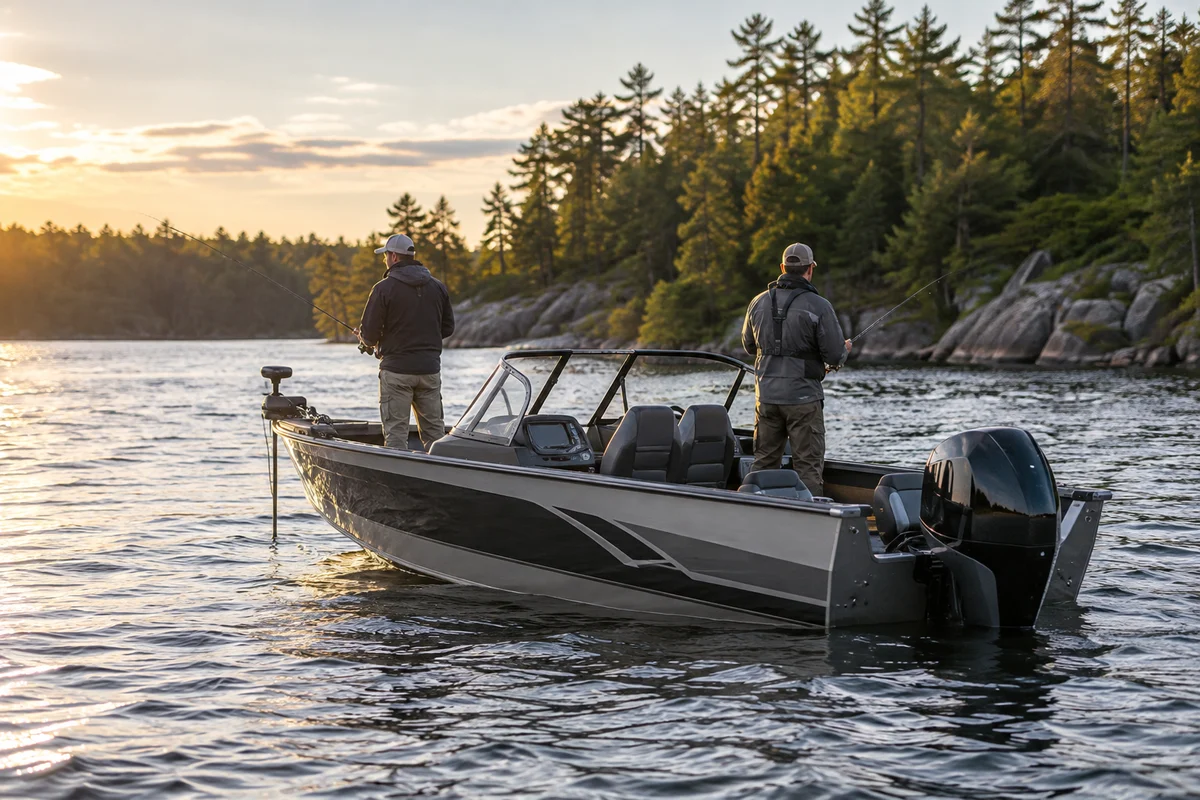
A Lund 1675 Pro Guide is best evaluated as a particular boat and configuration—not by its name alone. Model-year details, installed equipment, condition, and how the boat has been maintained can matter as much as the model designation. Use this guide to build a practical comparison, identify questions to resolve, and decide whether a given boat fits your fishing and transport needs. It is not a substitute for the manual or an inspection of the specific boat.
What should you confirm about the model year?
Start by establishing the boat’s identity. Record the model designation, model year, hull identification number, and any other identifying information on the boat and its paperwork. Compare those details with the title or registration and the manufacturer’s records. If labels, documents, or seller descriptions conflict, resolve that before treating specifications as settled.
Avoid assuming that two boats called a 1675 Pro Guide have identical equipment. Layouts, standard features, available options, and recommended power can vary by year and configuration. Ask for the owner’s manual and the original specification information for the exact year, then confirm key details with Lund through its official boat information resources. Do not rely on a listing, an old photograph, or another boat’s specifications to establish capacity or compatibility.
Make a simple record of what is included: hull and interior, seats, storage components, electronics, trolling motor, outboard, trailer, and safety equipment. Note what is missing or has been changed. This gives you a more useful comparison than a broad claim that a boat is “fully equipped.” For broader context on matching an aluminum hull to a particular fishing approach, see how to choose an aluminum boat.
Does the layout fit the way you fish?
Think through a typical outing from launch to return. Where will each person sit while underway? Where will rods be kept so they are accessible but secure? Can anglers move around without stepping over tackle or blocking one another? Is there a sensible place for frequently used tools, a net, rain gear, and personal flotation devices?
Walk the boat in the same arrangement you expect to use on the water. Consider whether the seating and open areas support your usual style—casting, trolling, fishing with children, or carrying a mix of passengers and gear. A layout that feels roomy while empty may become crowded once tackle boxes, batteries, coolers, and fishing partners are aboard. Check that storage lids and compartments open properly and that their contents stay dry if that matters for your equipment.
For a multi-species comparison, the Tracker Deep V multi-species boat overview can help frame questions about balancing passenger space, fishing stations, and versatility. Compare actual layouts and condition rather than assuming boats in the same broad category behave alike.
How do you assess the hull and major systems?
Inspect the hull in good light, both inside and outside where access permits. Look for dents, distorted areas, cracks, leaking seams, loose or damaged fittings, and signs of repairs. Pay particular attention to places that may have struck a dock, trailer, or submerged object. A cosmetic mark is not automatically a structural problem, but unexplained damage or evidence of a repair deserves a closer look by a qualified marine professional.
Check the transom and the areas around mounted equipment for movement, water intrusion, corrosion, or poorly sealed holes. Examine wiring for chafing, unsecured runs, exposed connections, and improvised splices. Operate switches and installed electronics where possible, but treat a powered-on display as only a basic function check—not proof that every sensor or feature works. Inspect steering, controls, bilge equipment, lights, and pumps according to the boat’s equipment and manual.
Ask for maintenance records and an explanation of any replacement parts or modifications. If the outboard or other major system is part of the boat, verify its identity and service history separately; a boat model name does not establish the condition or suitability of its installed motor. A marine technician can assess issues that a visual walkaround cannot settle.
What should you check about power, load, and towing?
Use the capacity information and recommendations for the exact boat year and configuration. Confirm the permitted passenger and weight limits, the manufacturer’s recommended or maximum power information, and any applicable requirements on the identification plate and in the manual. Do not estimate these from the model name or from specifications for a different year.
Think about the complete load: people, fuel, batteries, anchors, tackle, food, and other carried equipment. Added gear affects handling and available capacity. Confirm that the installed motor and controls correspond to the boat’s documentation, and have any questionable combination reviewed by a qualified marine professional. For propeller or setup questions, use the equipment maker’s guidance; the Yamaha Talon propeller overview is an example of why propeller choice should be considered as part of a specific motor-and-boat setup, not in isolation.
Towing deserves its own check. Verify the trailer’s condition, tires, lights, bearings, brakes if equipped, and tie-down points. Confirm that the tow vehicle is rated for the actual loaded trailer and that the hitch and safety connections are appropriate. The U.S. Coast Guard’s recreational boating safety information is a useful starting point for reviewing safe operation and required equipment; local rules and the boat’s documentation still apply.
Which questions reveal whether a specific boat is a good fit?
Ask the owner or seller for the exact model year, ownership and service records, known repairs, storage history, and a list of included equipment. Ask which components are original and which were added later. Request the manual and any available documentation for the boat, motor, trailer, and electronics. If the boat has been stored outdoors or used in demanding conditions, ask what maintenance was done and when.
Before committing, arrange an inspection appropriate to the boat’s age and condition. A water trial, where lawful and practical, can help identify operational concerns, but it does not replace an inspection or verify every system. Agree in advance on what will be checked and who is responsible for evaluating the motor and trailer. If an important question cannot be answered from documentation or inspection, treat it as unresolved rather than filling the gap with an assumption.
Compare the complete package with alternatives: layout, condition, motor, trailer, maintenance needs, and the work required to make the boat ready for your use. A well-kept boat with a simpler configuration may suit a particular angler better than a more elaborate one that needs repairs. For related boat coverage and updates, browse the freshwater boat news hub.
How can you prepare for safe ownership?
Before the first trip, read the boat and motor manuals, confirm registration and applicable local requirements, and make sure required safety equipment is aboard and serviceable. Fit personal flotation devices to the people who will use them, and review how everyone will board, move around, and respond if conditions change. Keep the boat’s capacity limits visible to the people planning each outing.
Build a pre-departure routine that checks weather, fuel, battery condition, steering and controls, drain plugs, lights, communications, and trailer connections as applicable. Learn the boat’s handling gradually in suitable conditions, especially if its load or setup differs from a boat you have used before. Good preparation turns a model name into only one part of a sound decision: the right individual boat is the one whose verified configuration, condition, and safe capacity match the way it will be used.
Frequently asked questions
Are all Lund 1675 Pro Guide boats equipped the same way?
No. Equipment and specifications can vary by model year and configuration. Verify the exact boat’s identification, manual, capacity information, and installed components rather than relying on another boat’s listing.
What is the most important inspection area on a used 1675 Pro Guide?
There is no single check that replaces a full inspection. Review the hull and transom, major systems, motor, trailer, documentation, and maintenance history; have a qualified marine professional assess concerns you cannot resolve.
How do I know whether the motor and load are suitable?
Use the capacity plate and documentation for the exact boat, account for all people and gear, and confirm the motor information against manufacturer recommendations. Ask a marine professional to review uncertain combinations.
Sources & further information
Consult these primary sources for current regulations, technical information and local guidance.