FishPhone by Vexilar: What to Know About Underwater Cameras
An underwater camera can add visual context to an ice-fishing setup, but performance depends on conditions and equipment. Here’s a practical guide to evaluating a FishPhone system without assuming undocumented features.
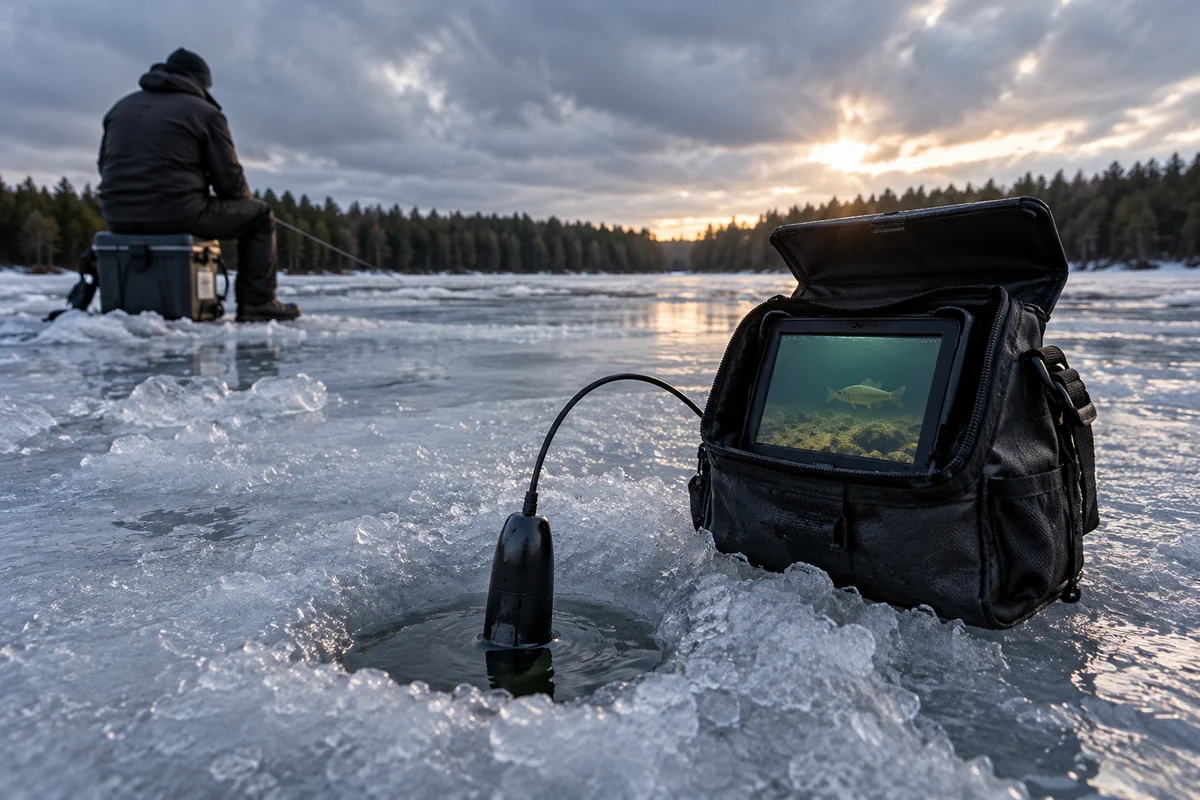
An underwater camera can make the space beneath an ice hole easier to understand, and the FishPhone by Vexilar name points to a camera-oriented ice-fishing system. Product details can vary by model and may change over time, so confirm current specifications with Vexilar before relying on a particular screen, connection, recording function, or compatibility claim. The most useful question is not whether a camera guarantees fish, but whether seeing underwater will help you make better decisions on the water.
What can an ice-fishing camera tell you?
A camera provides a visual view of a limited area around its lens. Depending on water clarity, light, depth, camera angle, and movement, that view may reveal structure, weeds, a lure, or fish passing through the frame. It can help you notice how a presentation looks, but it cannot show the whole lake or reliably predict what fish will do next.
That distinction matters. A camera can show no fish while fish are nearby but outside its field of view. Conversely, a fish appearing on screen does not mean it will bite. Treat video as one source of information alongside local reports, maps, a sonar unit if you use one, and careful observation of conditions.
Before a trip, check the precise FishPhone model and its documentation. Verify what is included, what must be supplied separately, how the camera connects to its display or mobile device, and whether the system needs a particular power source or application. Do not assume that a feature mentioned for one version is available in another.
What should you verify before taking it on the ice?
Start with the basic compatibility questions. Identify the camera and display components, connection type, cable length, power requirements, and supported devices from the manufacturer’s current information. If the system uses a phone or tablet, check operating-system compatibility and whether a connection depends on cellular service, Wi-Fi, or a direct link. Coverage over a frozen lake may be limited; an internet connection should not be assumed.
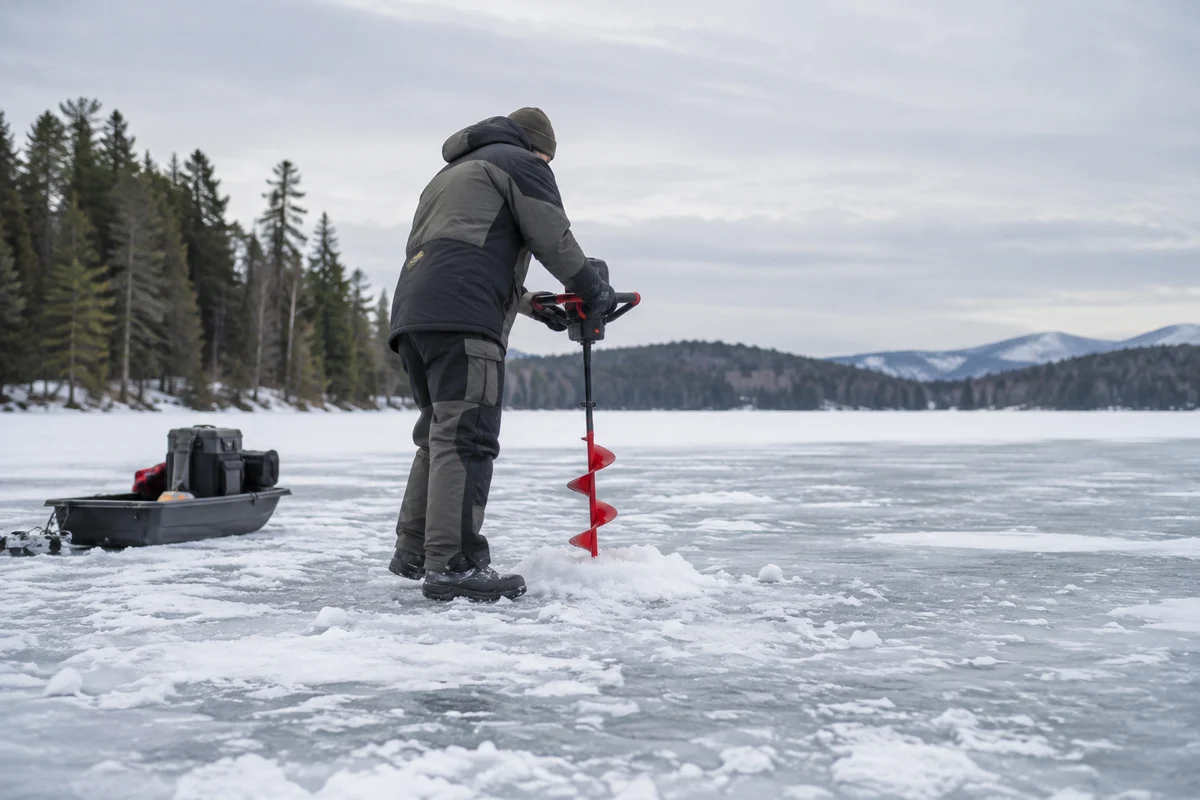
Ask how the system is meant to be deployed and stored. A camera cable should be managed so it does not snag on an auger, shelter hardware, or other gear. Check whether the lens housing and cable are rated for the temperatures and conditions you expect, and follow the maker’s instructions for transport, cleaning, drying, and charging. Keep connectors protected from snow and moisture.
If you already use an underwater camera, compare the actual setup rather than relying on a product name alone: display visibility in daylight, ease of aiming, cable handling, battery arrangement, and how quickly you can stow it. These practical details often matter more on the ice than a long feature list.
How do light, water, and camera position affect the picture?
Underwater visibility changes from place to place. Suspended sediment, algae, snow-covered ice, depth, and low light can reduce contrast. A bright lamp may help in some situations but can also reflect off particles or alter how fish respond. Start with the camera’s recommended settings, then make small adjustments instead of assuming more illumination always means a better view.
Position the camera to answer a question. To inspect a lure, aim so the lure remains in frame without pointing directly into its movement. To look at nearby structure, orient the lens across the feature rather than only at the bottom. Keep the cable controlled and avoid repeatedly sweeping the camera through a small area; unnecessary movement can disturb the view and make it harder to interpret what you see.
A camera image is not a substitute for knowing depth or location. Mark your hole and track where you set up, especially when moving between spots. Use appropriate navigation and ice-safety practices rather than treating a clear image as evidence that ice nearby is safe.
How can video improve a fishing decision?
Use the camera to test one question at a time. For example: Is the lure visible at this depth? Is vegetation reaching the presentation? Does the bottom look soft or firm? Is a fish approaching and turning away? A narrow question makes it easier to learn from the picture without overreacting to every movement.
Change one variable at a time when possible. If you adjust lure size, cadence, depth, and camera position all at once, it becomes difficult to tell what changed the result. Give a presentation a reasonable, situation-appropriate interval, while remaining attentive to local regulations and the welfare of fish. If video becomes a distraction from safe hole management or awareness of changing weather and ice, put the camera away.
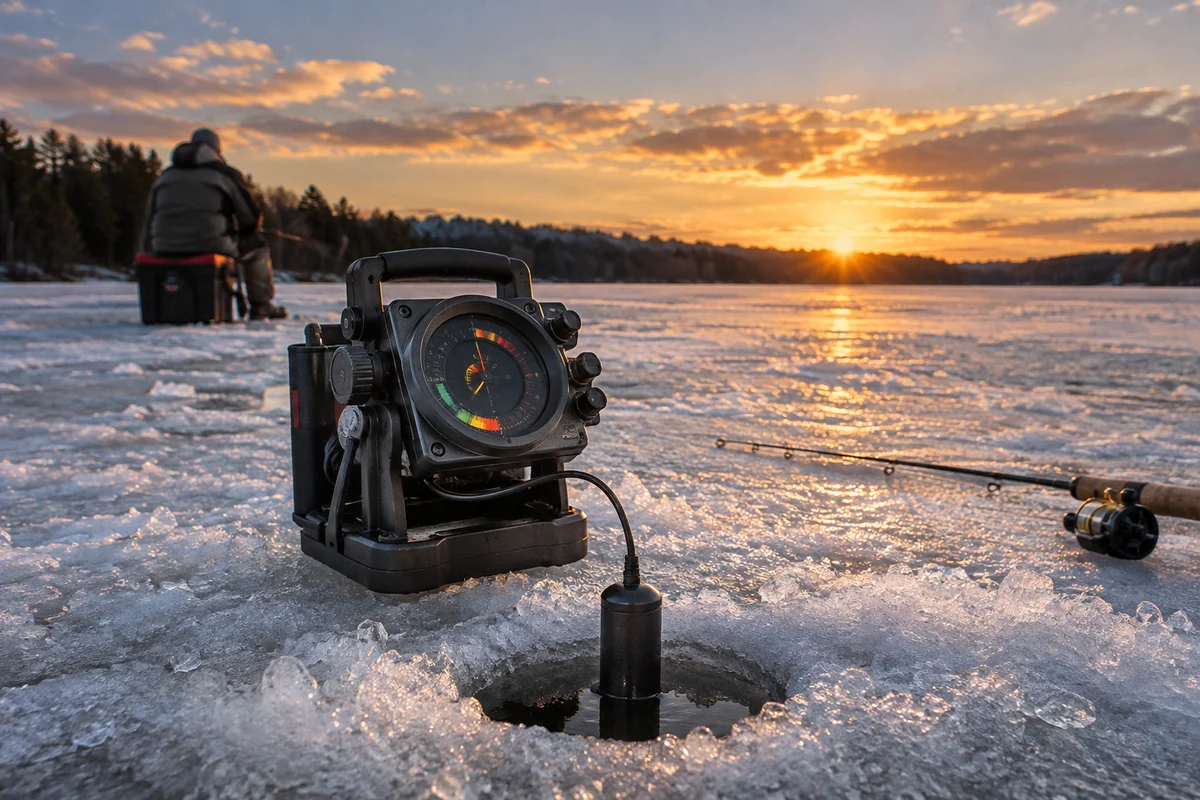
For electronics used alongside video, a flasher can offer a different kind of information about depth and activity. Readers comparing those roles can review Vexilar FL-12 basics. For broader equipment and technique ideas, browse more ice-fishing coverage.
What are common camera-use mistakes?
One common mistake is reading too much into a small field of view. A blank screen is not proof that a spot is empty, and a visible fish is not a promise of a catch. Move thoughtfully if the evidence and conditions suggest a change, but do not chase every fleeting image.
Another is neglecting cable and power management. Keep the cable away from sharp edges and moving tools, avoid stepping on it, and do not force a connector. Bring a charging plan suited to the manufacturer’s instructions, and check the system before leaving home. A camera that works in a warm room may behave differently after exposure to cold; follow the maker’s guidance on temperature and battery care.
Finally, do not let electronics displace ice-safety decisions. Ice thickness and quality can vary over short distances, and no camera can certify a route or fishing location. Check local conditions and official guidance, use flotation and other appropriate safety equipment, and avoid going alone. If conditions are uncertain, stay off the ice.
Is a FishPhone camera worth carrying?
It may be useful for anglers who enjoy observing underwater structure or want a visual check on how a presentation appears. It may be less helpful when water clarity is poor, setup time is limited, or the camera’s screen and cable add more complexity than the angler wants. The right fit depends on the specific model, fishing style, conditions, and whether the information changes a decision.
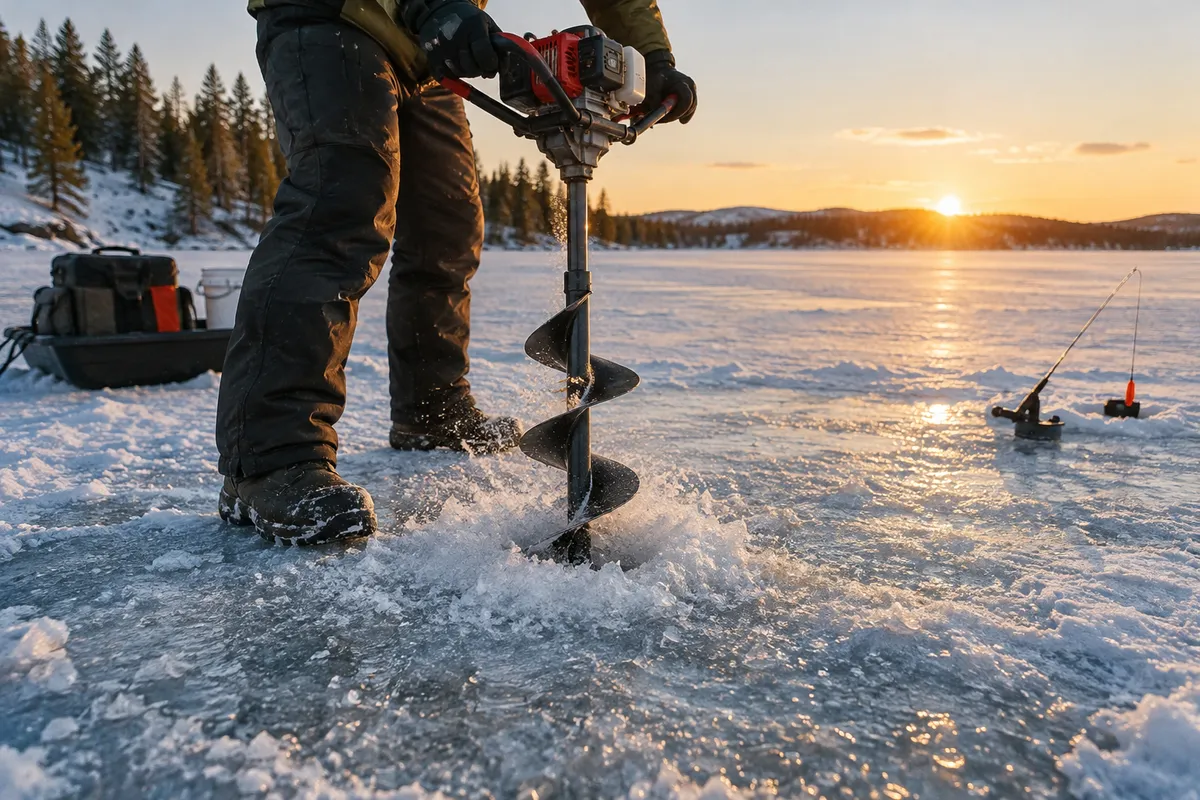
Before committing to a setup, confirm specifications and support directly with Vexilar, then consider a simple checklist: compatibility, power, cold-weather handling, cable management, display visibility, and storage. Pair the camera with sound location choices and safe ice practices. For another practical equipment comparison, see this overview of ice-fishing auger considerations.
Frequently asked questions
Does a FishPhone by Vexilar camera guarantee that fish will appear on screen?
No. The camera shows only a limited area, and visibility depends on water clarity, light, depth, positioning, and other conditions. Fish may be nearby but outside the frame.
What should I check before using a FishPhone system?
Confirm the exact model’s compatibility, connection method, power requirements, included components, cold-weather guidance, and care instructions in current manufacturer information.
Can an underwater camera tell me whether ice is safe?
No. A camera cannot assess ice thickness, quality, or route safety. Check local conditions and official guidance, use appropriate safety equipment, and stay off uncertain ice.
Sources & further information
Consult these primary sources for current regulations, technical information and local guidance.