Eastern hellbender Pennsylvania state amphibian: what it means for rivers
The eastern hellbender is a remarkable river salamander whose state recognition can draw attention to the conditions it needs. Here is what its habitat, conservation, and everyday stream stewardship have in common.
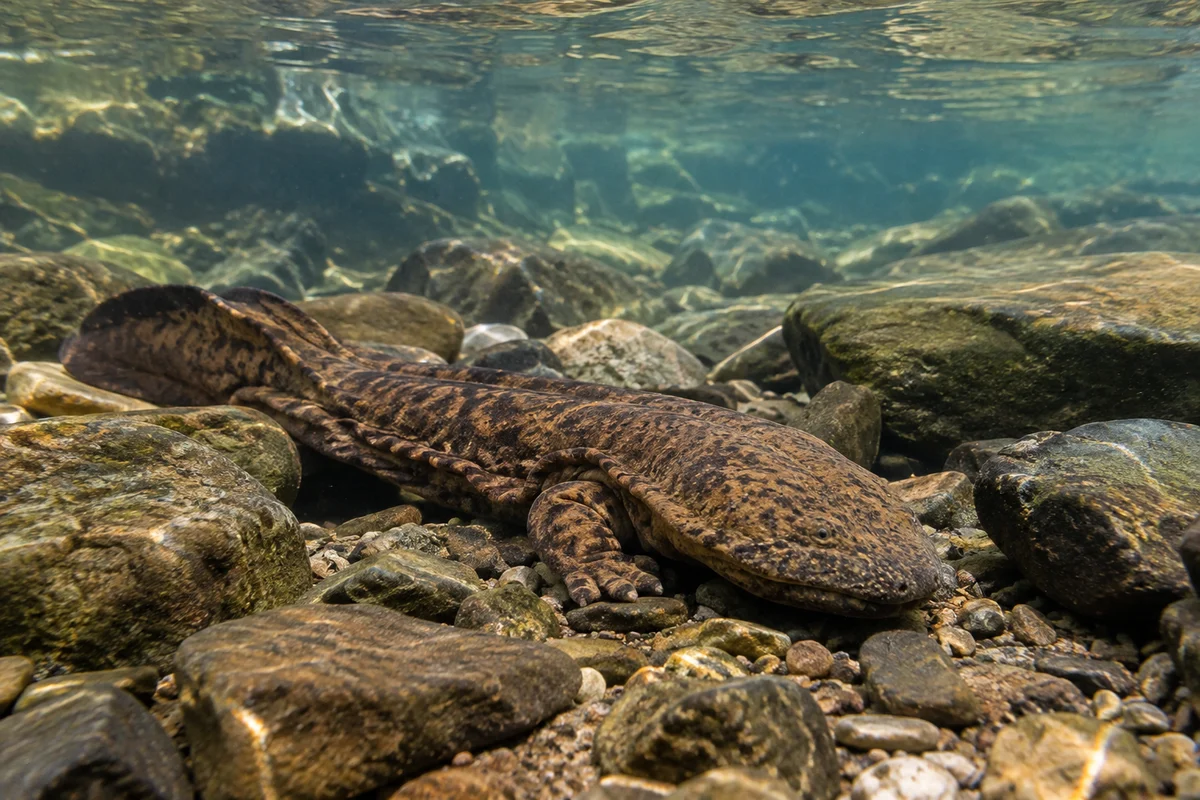
The eastern hellbender Pennsylvania state amphibian story is about more than an unusual animal receiving a formal distinction. It points readers toward the health of the flowing-water habitats that hellbenders depend on. This large aquatic salamander lives beneath rocks in clean, well-oxygenated streams, where stable shelter and connected waterways matter. Pennsylvania’s designation makes a useful starting point for learning how a secretive species lives and what responsible river stewardship looks like. It does not, by itself, tell us the current condition of every population or stream.
What is an eastern hellbender?
The eastern hellbender (Cryptobranchus alleganiensis) is a fully aquatic salamander native to parts of the eastern United States. Its broad, flattened body and loose folds of skin help distinguish it from the smaller, more familiar salamanders people may encounter beneath woodland logs. Adults can be substantial in size, but they are often hard to see: they shelter under large rocks and spend much of their lives in water.
Hellbenders are not mythical monsters, despite the colorful names sometimes attached to them. They are wildlife adapted to a specific environment, not animals that should be handled or removed for a closer look. Their habitat needs also make them a compelling indicator of the relationship between land and water: changes upstream can affect the streambed and water quality downstream.
Why does Pennsylvania recognize the hellbender?
A state amphibian designation gives residents, educators, and conservation groups a shared symbol for learning about native wildlife. It can make a species easier to include in classroom lessons and local conservation conversations. The designation is a civic recognition, however, not a substitute for population monitoring, habitat protection, or state wildlife regulations.
The important takeaway is the connection between the animal and its habitat. Hellbenders need streams with suitable water quality, adequate flow, and places to hide and reproduce. Erosion, sediment entering waterways, barriers that fragment habitat, and pollution can all affect stream ecosystems. The causes and severity vary from place to place, so claims about a particular reach or population should be grounded in current local information rather than inferred from the title alone.
What makes a stream suitable habitat?
A hellbender stream is more than clear-looking water. Large, stable rocks provide shelter, while the spaces beneath them create the protected microhabitats the salamanders use. Flowing water carries oxygen, and a functioning stream supports the aquatic life that forms part of the food web. A stream can appear attractive at the surface while still facing problems that are less obvious, such as excess fine sediment covering the spaces between rocks.
The watershed matters as much as the channel. Runoff from roads, construction, farms, and developed areas can carry soil or other pollutants into streams. Removing streamside vegetation can increase erosion and warm the water. Protecting a riparian buffer—the band of vegetation along a waterway—helps stabilize banks and provides shade and habitat. These are general ecological principles; local agencies can explain which pressures are most relevant in a particular Pennsylvania watershed.
How can people help without disturbing wildlife?
The safest first step is to leave rocks, animals, and stream structures where they are. Turning rocks can crush or expose animals and disturb important shelter. A hellbender sighting is not an invitation to touch, capture, or relocate one. Observe wildlife from a respectful distance, keep pets under control, and follow access rules on public and private land.
People can also reduce runoff at home. Keep soil covered where possible, direct stormwater away from eroding banks, and avoid applying lawn chemicals where rain can wash them into drains and streams. Anglers and other visitors should pack out line, bait containers, and other litter. If a project involves streambanks, culverts, or in-water work, check with the appropriate local or state authorities before beginning; permits and seasonal rules may apply.
For a broader look at how conservation issues connect with outdoor recreation, explore more outdoor coverage. Readers interested in another wildlife story can also visit our overview of interesting facts about harpy eagle, a reminder that species conservation depends on understanding each animal’s habitat and pressures.
What should you do if you find a hellbender?
Do not pick it up or move the rock shelter. Note the general location without publicizing sensitive site details, and report the observation through a state wildlife agency or an established monitoring program if one is available. A clear, distant photograph may help an expert confirm an observation, but do not disturb the animal to get a better image. Do not assume that a sighting proves a population is thriving; one observation is useful information, not a complete survey.
If the animal appears injured or stranded, avoid handling it and contact wildlife authorities for guidance. Rules about handling protected wildlife can vary, and well-intended intervention can create additional stress. Keep the location private when appropriate, since publicizing a precise site can increase disturbance.
How does river stewardship benefit other wildlife?
Protecting stream banks and water quality supports whole aquatic communities, not only hellbenders. Healthy waterways provide habitat for fish, insects, amphibians, and other organisms, and they contribute to resilient landscapes for people as well. Watershed work is most effective when it is locally informed: landowners, watershed associations, conservation professionals, and public agencies can identify priorities and coordinate projects.
That does not mean every stream requires the same solution. A restoration approach suitable for one site may not fit another, and work in waterways can require technical review and authorization. Avoid moving rocks, adding structures, or attempting informal stream modifications. If you want to volunteer, look for established watershed groups that provide training and explain how their work is reviewed.
For another example of conservation reporting beyond a single species, read about efforts to address illegal fishing and its effects. The details differ, but both subjects show why credible monitoring and responsible management matter.
What the designation can—and cannot—tell us
A state symbol can encourage curiosity, but it cannot replace reliable field data. To understand the status of hellbenders in a particular area, consult current information from state wildlife agencies and qualified conservation organizations. Look for the geographic scope, date, and method behind any population claim. Avoid treating a historic headline or a single sighting as evidence of a current statewide trend.
The eastern hellbender is a useful ambassador for clean, connected streams because its life is closely tied to the conditions beneath the water’s surface. Pennsylvania’s recognition offers an opening to learn about native amphibians and watershed care. The practical response is simple: respect wildlife, protect streamside habitat, prevent pollution, and rely on local experts for site-specific guidance.
Frequently asked questions
Is the eastern hellbender a fish?
No. It is an amphibian, specifically a salamander. It lives in water, but it is not a fish.
Should I lift rocks to look for a hellbender?
No. Rocks can shelter hellbenders and other stream life. Moving them may injure animals or disrupt habitat, so observe without disturbing the streambed.
Does the state designation mean hellbenders are common in Pennsylvania?
No. A state designation is recognition, not a population survey. For current distribution or conservation information, consult Pennsylvania wildlife authorities and qualified local sources.
Sources & further information
Consult these primary sources for current regulations, technical information and local guidance.