Difference Between Boar and Sow Bear: Field Signs and Ethics
Bear sex can be difficult to determine at a distance. Learn which field clues help, where they fail, and how to make a cautious, lawful decision in bear country.
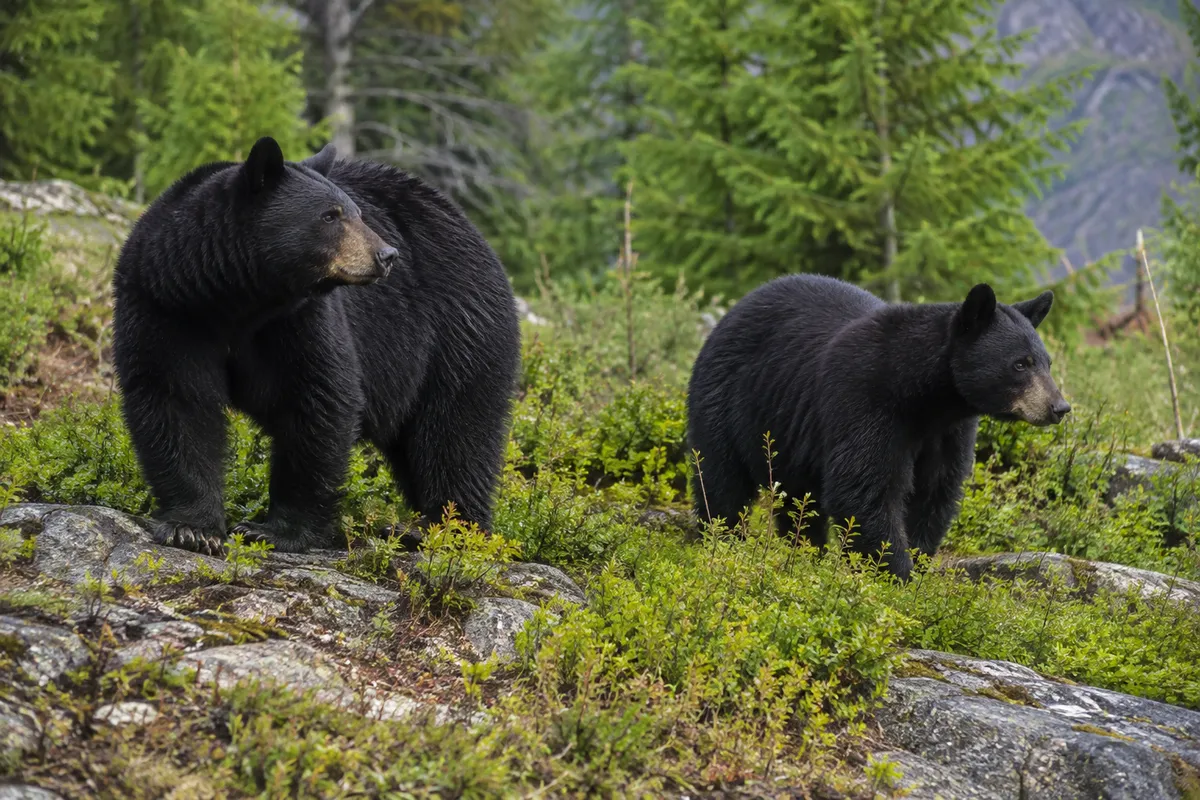
The difference between boar and sow bear is not always obvious in the field. A boar is an adult male bear; a sow is an adult female. Size, head shape, tracks, and behavior can offer clues, but none is a dependable substitute for a clear view, local regulations, and a conservative decision. For hunters, correct identification matters because seasons and rules may protect females, especially those accompanied by cubs. For anyone outdoors, understanding bear behavior also helps keep an encounter from becoming a risky guess.
What do “boar” and “sow” mean?
In hunting terminology, a boar is a male bear and a sow is a female. A young bear may be called a cub or yearling depending on age and context, but age categories and legal definitions vary by jurisdiction. The words describe sex, not a guarantee of a bear’s size, age, health, or behavior.
Black bears show substantial variation across regions and individuals. Adult males are often larger than adult females, but a small male may overlap in size with a large female. Food availability, season, body condition, and age all affect appearance. A hunter looking at a bear briefly, through brush, or in poor light should not treat a single size impression as certainty.
Which physical clues are useful—and which mislead?
A broad, heavy build and a thick neck can suggest a mature boar. Adult males may have a more pronounced shoulder and a blockier head. Females can appear smaller and more slender, though that distinction is subtle at a distance. Coat color is not a reliable sex indicator: black bears can have coats ranging from black to brown, cinnamon, or other regional variations.
A clear view of the underside may sometimes help an experienced observer identify sex, but vegetation, posture, and movement often obscure the relevant anatomy. Do not approach, crowd, or attempt to reposition a bear for a better look. Binoculars can help with observation from a safe, lawful distance, but optical equipment does not make an uncertain identification certain.
Tracks are also limited evidence. A large print may belong to a large female, and a smaller print may belong to a male. Substrate, stride, angle, and overlap with other tracks can change the apparent size and shape. Track measurements may help wildlife professionals or experienced trackers compare signs, but they cannot reliably establish sex on their own.
Can behavior tell you whether a bear is male or female?
Behavior provides context, not a dependable sex test. A bear traveling alone could be either sex. A female may travel with cubs, but cubs can be hard to see in dense cover, and a bear seen alone is not necessarily a boar. Bears also change routes and activity in response to food, people, weather, and disturbance.
Do not infer sex from a bear’s apparent boldness, caution, or reaction to a person. Individual temperament varies, and behavior can change quickly. Keep distance, avoid blocking an animal’s path, and follow the guidance of local wildlife authorities. If a bear has cubs nearby, leave the area calmly rather than trying to determine sex more closely.
Why does identification matter during bear hunting?
Bear seasons and harvest rules are set by the jurisdiction responsible for the hunt. Some places may have restrictions involving females with cubs, sex-specific harvests, reporting requirements, or other conditions; rules can change between locations and seasons. Read the current official regulations for the exact hunting unit and confirm any identification requirements before going afield. A general article cannot replace those rules.
Before taking any shot, a hunter must positively identify the animal and determine that the action is legal and safe. If sex is uncertain, the ethical choice is not to shoot. If a bear is accompanied by smaller bears, do not assume the group’s relationships or ages from a fleeting view; disengage and consult the applicable regulations. A safe opportunity is one in which the animal is clearly identified, the background is safe, and all legal requirements are met—not merely one in which a bear is visible.
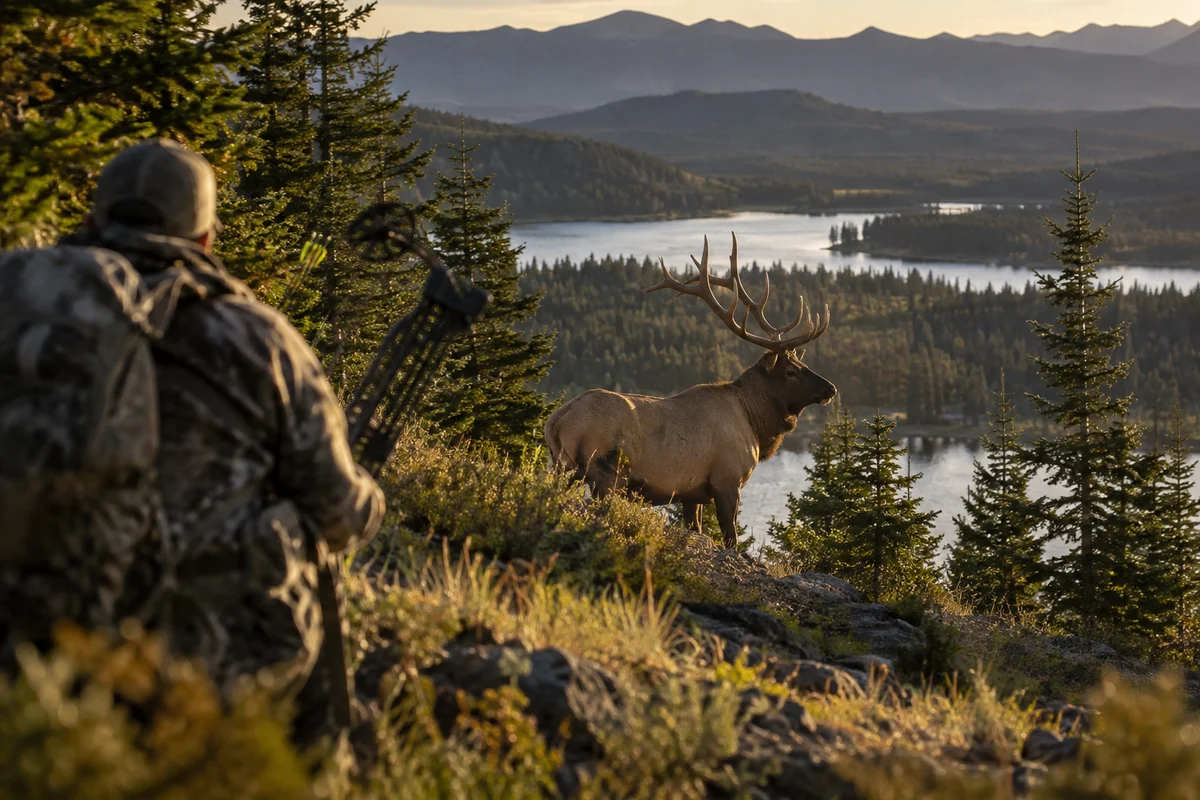
Preparation should include knowing how to distinguish bear signs from those of other wildlife, planning a route that avoids unnecessary disturbance, and understanding what to do after a harvest under local rules. For related big-game context, see guidance on a reported Nebraska record elk and how to use bear spray. These topics have different rules and risks, but both reinforce the value of verifying details rather than relying on a quick impression. Find more big-game hunting coverage.
What should you do if sex is uncertain?
Treat uncertainty as a reason to stop and observe only from a safe distance—or to leave. Do not move closer, circle the animal, call it, or use food to draw it into view. If hunting, keep the firearm pointed in a safe direction and do not fire unless the target and what lies beyond it are clearly identified. If the animal disappears into cover, let it go; pursuing it to settle a sex question can create danger and may violate local rules.
People hiking, camping, or working outdoors should give bears space, secure food and attractants according to local guidance, and never approach cubs. If a bear is nearby, avoid sudden movements and do not run. Follow the recommendations of the relevant wildlife agency for the region, because advice can differ with bear species and local conditions.
How can hunters prepare to make a responsible decision?
Start with the current regulations, including maps, season dates, permitted methods, reporting steps, and any sex or cub restrictions. Attend a local hunter-education or bear-identification session if available. Learn the range of bear sizes and appearances in the hunting area, but remember that photos and diagrams cannot account for every angle, distance, or lighting condition.
Use optics before making a decision, and take enough time to evaluate the whole scene. Avoid relying on one feature such as body size, tracks, or a solitary sighting. Have a clear plan for communicating with hunting partners and for stopping a hunt when identification is uncertain. Responsible hunting includes accepting that some encounters do not provide a lawful, ethical opportunity.
Bear management is regional, and population information and harvest rules are best obtained from the state or provincial wildlife agency responsible for the area. Those agencies can explain current requirements and local safety advice. No field clue overrides the law, and no harvest is worth risking a mistaken identification.
FAQ
Is a larger black bear always a boar?
No. Males are often larger on average, but size overlaps between sexes and varies with age, food, and individual condition. Size alone is not a reliable identification method.
Does a bear traveling alone mean it is male?
No. Bears of either sex may be seen alone. A female’s cubs may be hidden or outside the observer’s view, so absence of visible cubs does not establish sex.
What is the safest choice if I cannot identify a bear confidently?
Do not take a shot or approach for a closer look. Follow current local regulations, maintain distance, and let the bear leave. When in doubt, pass on the opportunity.
Frequently asked questions
Is a larger black bear always a boar?
No. Males are often larger on average, but size overlaps between sexes and varies with age, food, and individual condition. Size alone is not a reliable identification method.
Does a bear traveling alone mean it is male?
No. Bears of either sex may be seen alone. A female’s cubs may be hidden or outside the observer’s view, so absence of visible cubs does not establish sex.
What is the safest choice if I cannot identify a bear confidently?
Do not take a shot or approach for a closer look. Follow current local regulations, maintain distance, and let the bear leave. When in doubt, pass on the opportunity.
Sources & further information
Consult these primary sources for current regulations, technical information and local guidance.