Catch and Release Catfish: A Practical Guide
A thoughtful release begins before the bite. Learn how to prepare, handle, photograph, and return catfish while limiting avoidable stress and injury.
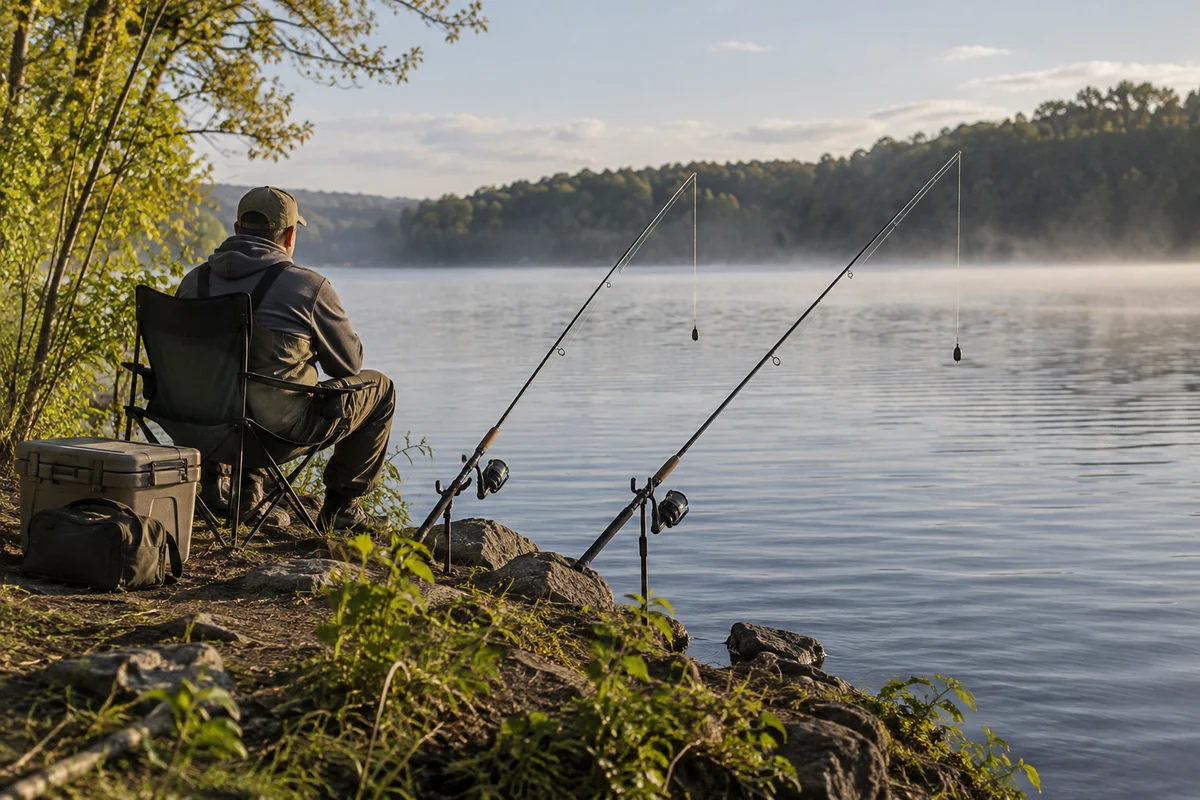
Catch and release catfish successfully by preparing your landing gear in advance, keeping the fish supported and wet, removing the hook carefully, and returning it promptly. Catfish vary widely in size and habitat, but the same principle applies: reduce time out of water and avoid unnecessary handling. A release is not guaranteed to survive, yet a calm, deliberate process can limit preventable harm.
Prepare before the fish is at the bank
Set up your landing area before casting. Keep pliers or a dehooking tool within reach, clear a flat wet surface or use a knotless rubberized net, and have a camera ready if you intend to take a quick picture. A fish that is already on shore should not have to wait while you search through tackle boxes.
Use tackle suited to the likely fish and conditions. Gear that is too light can prolong the fight and exhaust a fish; excessively heavy tackle can also be awkward to manage. Choose hooks and rigs with clean removal in mind, and check local regulations for permitted hook types, bait, seasons, and handling rules. The catfish fishing hub offers more outdoor coverage and related guidance.
If fishing from a boat, decide where the fish can be handled without creating a trip hazard or blocking safe movement. In current or near deep water, secure yourself and your equipment first. If conditions make landing or handling unsafe, prioritize the angler’s safety rather than forcing a photograph.
Land the fish steadily
Keep steady pressure during the fight and avoid jerking the rod. Once the catfish is close, guide it toward the net rather than lifting it by the line. A net can help support a heavier fish and reduce the chance of dropping it onto rocks, a hot deck, or dry ground.
Do not drag a fish across gravel or vegetation. If a net is unavailable, choose a safe, low landing spot and support the fish with both hands. Catfish have sharp, stiff fin spines that can puncture skin. Keep hands away from the spine tips, do not squeeze the belly, and avoid grabbing the fish by its mouth unless you know the species and size can be controlled safely that way. A large fish may be too heavy or unwieldy for a hand landing; get assistance or keep it supported in the water.
Handle catfish with support and care
Wet your hands before touching the fish. This helps avoid scraping away the protective coating on its skin. Keep the fish horizontal, supporting its body rather than letting its full weight hang from the jaw or tail. Never put fingers into the gills or eyes, and do not press on the soft area behind the head.
Catfish do not have scales, but their skin and slime layer still provide protection. Dry towels, rough surfaces, and repeated handling can cause damage. Keep the fish low over water or a wet landing surface in case it slips. For a large specimen, one person can support the front half while another supports the rear, keeping the fish level and avoiding pressure on the abdomen.
If the fish is deeply hooked, do not tug hard or pull a hook through tissue. Remove a hook only when it can be done without causing greater injury. If the hook is lodged in a sensitive area or removal is difficult, follow current local fisheries guidance; in some circumstances, cutting the line close may be less harmful than prolonged manipulation. Regulations and best practices can vary by place and situation.
Remove the hook efficiently
Use pliers or a dehooker to control the hook while keeping the fish supported. Work quickly but do not rush into an unsafe grip. If the hook is barbed, avoid tearing tissue by twisting or yanking. A suitable hook design and a well-planned rig can make removal easier, but no setup eliminates every difficult hook-up.
If you are still refining your presentation, review common catfish rigs and choose a rig that fits your water, bait, and local rules. For anglers exploring different approaches to catching flatheads, what noodling involves is a separate method with its own substantial safety and legal considerations; it is not a substitute for careful fish handling.
Do not keep a fish out of water while adjusting hooks, measuring, and framing multiple pictures. Decide beforehand which measurements or images matter. If the fish shows signs of severe injury or is unlikely to recover, consult local regulations for lawful, humane options rather than releasing it simply to follow a slogan.
Take a quick photo, then return it
A brief photograph can be part of the experience, but preparation makes the difference. Set the camera, choose the angle, and have another person ready before lifting the fish. Keep the fish close to the water and support it horizontally. Avoid holding it high over a hard surface, squeezing it for a dramatic pose, or repeatedly lifting it for retakes.
In hot weather, warm water, or after a long fight, minimize air exposure even more. A fish that is struggling or rolling should not be handled for a photo. Skip the picture and begin recovery. Avoid placing a live fish in a small bucket or leaving it in a net on a dry bank while attending to other tasks.
Revive the fish without forcing it
Return the catfish to water gently, facing it into a mild current when one is present. Support it upright in the water and allow it to regain balance and swim away under its own power. Do not move it rapidly backward and forward; that can interfere with water passing over the gills. In still water, hold it upright and steady rather than trying to create artificial current.
Give the fish time, but avoid prolonged handling. When it can maintain its balance and make purposeful movements, loosen your support and let it leave. If it rolls over or cannot stay upright, continue supporting it in the water while it recovers, provided the location is safe. A fish that departs strongly may still face risks after release, so careful handling remains important even when the moment looks successful.
Conditions and common mistakes matter
Water temperature, oxygen conditions, fish size, and fight duration can all affect stress. Warm water may hold less dissolved oxygen, while a lengthy fight can leave a fish exhausted. If conditions are extreme or the fish is already in poor shape, consider ending the fishing session or changing tactics rather than repeatedly catching fish under stressful circumstances.
Common mistakes include using undersized gear that extends the fight, handling a fish with dry hands, lifting a heavy catfish vertically, touching gills, delaying release for a staged photograph, and moving the fish aggressively to “revive” it. Another mistake is assuming that every catfish can be handled by the same grip. Species, size, and individual condition differ, so choose a method that keeps both fish and angler safe.
Before heading out, consult the relevant state or provincial fisheries authority for rules on seasons, limits, protected waters, and handling. The U.S. Fish and Wildlife Service provides broad information about fish and aquatic conservation, while regulations for a specific waterbody should come from its managing agency. For more on the broader subject, explore more catfish fishing coverage.
A short release checklist
Before the next cast, make sure pliers and a net are accessible, the landing spot is safe, and the camera is ready if you plan to use it. During the release, wet your hands, support the fish horizontally, protect its gills and belly, remove the hook carefully, and keep air exposure brief. In the water, hold it upright and let it recover without forcing motion.
These steps cannot promise survival, and local conditions sometimes call for a different decision. They do make the process more considered. Respect the fish, follow local rules, and treat every release as a reason to improve preparation for the next one.
Frequently asked questions
Should I use a net for catch and release catfish?
A net can help land and support a fish, especially a larger one, if it is appropriate for the fish and does not snag or abrade it. A knotless rubberized net is a useful option. Keep the fish in the water or lift it only briefly, and avoid dragging it across the ground.
Can I hold a catfish by its mouth?
That depends on the fish’s size, species, and your ability to control it safely. Catfish can have sharp fin spines, and a heavy fish can be injured by hanging vertically from its jaw. Supporting the body horizontally is generally the more cautious approach; keep hands clear of the spines and never touch the gills.
How long should I hold a catfish out of water?
As briefly as possible. Have tools and camera ready before landing the fish, skip photographs when it is exhausted, and return it to the water promptly. There is no single time limit that guarantees survival because conditions and the fish’s state vary.
Frequently asked questions
Should I use a net for catch and release catfish?
A net can help land and support a fish, especially a larger one, if it is appropriate and does not snag or abrade it. A knotless rubberized net is a useful option. Keep the fish in water or lift it only briefly, and avoid dragging it across the ground.
Can I hold a catfish by its mouth?
That depends on the fish’s size, species, and your ability to control it safely. Catfish can have sharp fin spines, and a heavy fish can be injured by hanging vertically from its jaw. Supporting the body horizontally is generally more cautious; keep hands clear of the spines and never touch the gills.
How long should I hold a catfish out of water?
As briefly as possible. Have tools and camera ready before landing the fish, skip photographs when it is exhausted, and return it to the water promptly. No single time limit guarantees survival because conditions and the fish’s state vary.
Sources & further information
Consult these primary sources for current regulations, technical information and local guidance.