Bloodsport Arrows Review: Components, Fit, and Field Use
A useful arrow choice depends on more than brand or appearance. Learn how to assess Bloodsport shafts and components against your bow, broadheads, local rules, and practice routine.
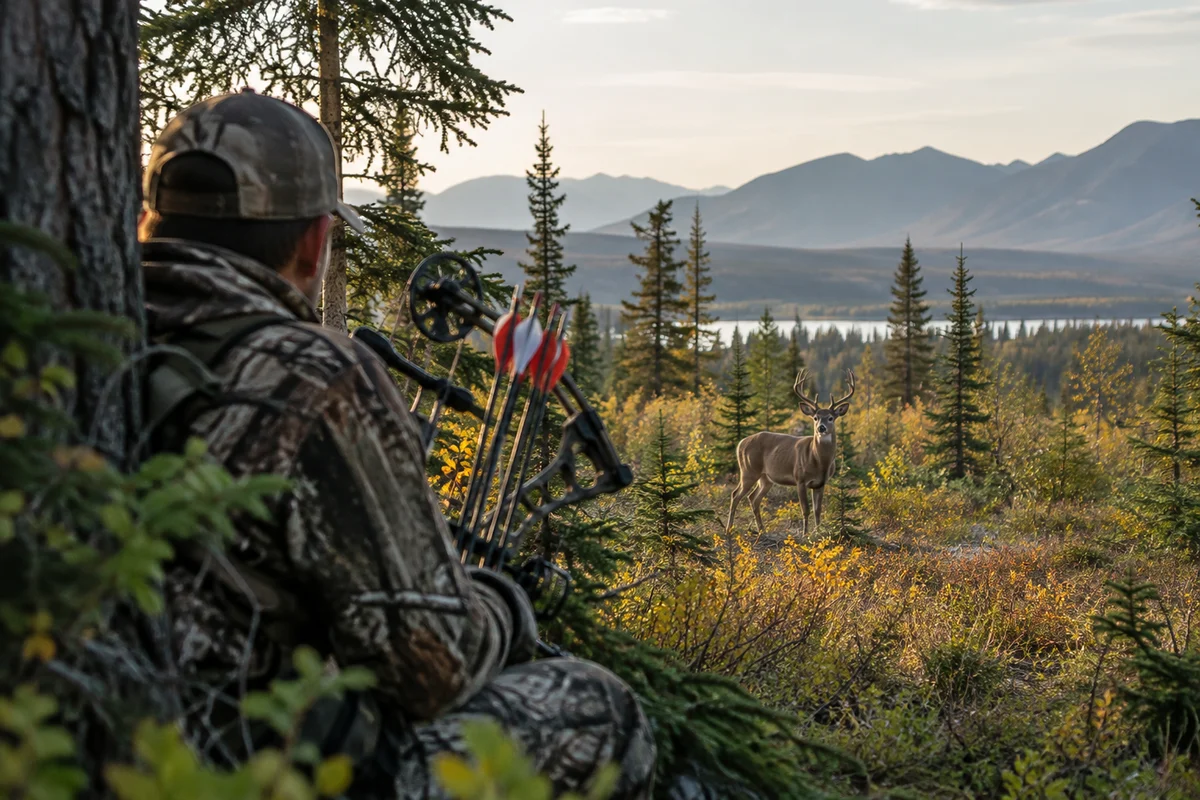
A Bloodsport arrows review is most useful when it focuses on fit and intended use rather than assuming every shaft suits every bow. Arrow performance depends on the complete setup: shaft length and stiffness, point weight, fletching, nock, bow specifications, and the way the archer shoots. Product lines and configurations can change, so confirm current details with the manufacturer and use its selection guidance instead of relying on an old product mention or a name alone.
This guide explains how to assess an arrow system, what to verify before assembly or use, and how to recognize when a setup needs qualified help. It does not claim firsthand testing or assign performance figures to a particular Bloodsport model.
What should an archer look for in a Bloodsport arrow?
Start by identifying the exact shaft and component configuration under consideration. Check the manufacturer’s current documentation for the shaft’s intended application, available spine options, compatible components, and any stated limits. Do not assume two arrows with similar names share the same construction or specifications.
Then compare the arrow system with the bow and intended use. A target setup and a hunting setup may call for different component choices, but neither should be selected by appearance alone. Keep the model information together with the bow’s specifications and the manufacturer’s selection chart. If a key detail is missing or unclear, ask the manufacturer or a qualified archery technician to confirm compatibility.
The broader archery hunting coverage can help put equipment decisions in context, but it cannot replace the instructions for a specific bow and arrow.
How do spine and arrow length affect fit?
Spine describes an arrow shaft’s stiffness under a standardized test; it is not a universal rating of durability or quality. The suitable spine depends on the bow’s draw weight and draw length, arrow length, point weight, and other setup variables. A mismatch can affect flight and may create an unsafe setup. Use the arrow maker’s chart alongside the bow maker’s instructions, and seek professional help if the measurements or recommendations disagree.
Arrow length also needs careful treatment. It should be established for the archer and bow by someone competent in archery setup—not guessed from a friend’s equipment or cut to match an unrelated arrow. A shaft that is too short can be especially dangerous. Do not shoot an arrow that does not safely remain supported on the rest at full draw.
Changing point weight or other components can change the arrow system’s behavior. Before making a change, check whether it remains within the shaft and bow makers’ guidance. The CE Maxima Blu RZ arrow overview offers another example of why a named arrow should be assessed by its specifications and fit, not treated as interchangeable with every setup.
Which components need to match?
An arrow is a system, not just a shaft. The point or broadhead, insert, nock, and fletching all have to fit the shaft and serve the intended use. Confirm component compatibility, attachment method, and any restrictions in the product instructions. Avoid mixing parts simply because their outside dimensions look similar.
For hunting, check that the broadhead is legal for the species and location, and that it is compatible with the arrow and bow setup. Regulations differ by jurisdiction and can change. Consult the relevant wildlife agency’s current rules rather than relying on a forum post, a retailer’s description, or an old season summary. A broadhead that is lawful in one place may not meet another area’s requirements.
Fletching and nock choices can also matter for clearance and consistent flight. If a change causes contact with the bow or produces unexplained flight variation, stop and have the setup checked. Do not try to correct a mechanical fit problem by repeatedly changing parts without understanding the cause.
How can you evaluate arrow flight responsibly?
Begin with safe, close-range practice at a suitable target and backstop, following the bow and range rules. Use arrows that have been inspected and verified for the setup. Increase distance only when groups and form are consistent, and do not interpret one good shot as proof that the system is tuned.
Check that the arrow clears the bow and that the nock engages as intended. Watch for consistent contact, unusual noise, visible damage, or a sudden change in impact. When results are erratic, consider the whole setup: bow tuning, rest alignment, release consistency, arrow condition, and component fit. A qualified technician can help distinguish equipment issues from technique issues.
Never shoot a damaged or questionable shaft. Carbon damage may not be obvious at a glance; follow the manufacturer’s inspection and disposal directions. Do not flex, test, or handle a suspect arrow in a way the maker warns against. If you cannot establish that an arrow is safe, retire it rather than taking a chance.
What should you inspect before a hunt?
Inspect every arrow before practice and again before carrying it afield. Look for cracks, splinters, dents, loose components, damaged fletching, and a nock that is split or does not fit correctly. Follow the manufacturer’s specific inspection procedure; a quick visual look is not a substitute for required checks.
Keep arrows protected in transport so shafts do not knock against hard objects or get crushed. Store them away from excessive heat and conditions the manufacturer identifies as harmful. After a hard impact, a pass-through, or contact with a hard surface, examine the arrow according to the maker’s directions before considering it for another shot. If damage is suspected, do not use it.
Hunting preparation also includes confirming local season dates, legal equipment requirements, access rules, and ethical shot limits. A well-matched arrow cannot compensate for poor judgment, unsafe handling, or an uncertain shot. Practice with the same general setup you plan to use, and pass on a shot that is not clearly safe and responsible.
How does this compare with other archery equipment?
Comparisons are most useful when they ask whether equipment meets the same needs. A bow package and an arrow shaft are different product categories, so their names alone do not tell you whether they work together. For example, the Blackout SS compound bow package overview is a separate starting point for understanding a bow package; verify any proposed arrow match using the exact bow and shaft documentation.
Avoid ranking arrows by unsupported claims about speed, accuracy, penetration, or durability. Those outcomes depend on a complete setup, shooting conditions, and the individual archer. Public specifications can identify what a maker states about a product, but they do not establish how a particular configuration will perform for every user. When details matter, confirm them with the manufacturer and have a knowledgeable technician review the setup.
A practical checklist before choosing
- Identify the exact Bloodsport shaft and current component configuration.
- Match spine, length, and components to the bow using the manufacturers’ guidance.
- Confirm broadhead and equipment rules with the relevant wildlife agency.
- Have uncertain measurements or compatibility questions checked by a qualified technician.
- Inspect each arrow as directed, and retire any shaft whose safety is in doubt.
- Practice safely and judge consistency across a suitable routine, not a single shot.
The soundest takeaway from a Bloodsport arrows review is that a brand name cannot substitute for correct fit, careful inspection, and responsible practice. If the specifications match your bow and use, components are compatible, and the arrows remain undamaged, you can make a more informed decision without relying on unverified performance claims.
Frequently asked questions
Can any Bloodsport arrow be used with any compound bow?
No. Confirm the exact shaft’s spine, length, and component compatibility against the bow manufacturer’s instructions and the arrow maker’s current selection guidance. Ask a qualified archery technician if fit is uncertain.
How can I tell whether a hunting arrow is safe to shoot?
Follow the manufacturer’s inspection procedure and check for damage or loose components before use. Do not shoot a questionable shaft; carbon damage may not be obvious, and the maker’s directions govern inspection and retirement.
Are broadheads legal everywhere if they fit the arrow?
No. Broadhead and equipment rules vary by jurisdiction and may depend on species and season. Check current regulations from the relevant wildlife agency and verify component compatibility with the manufacturers.
Sources & further information
Consult these primary sources for current regulations, technical information and local guidance.