Clam Bigfoot XL2000: How to Evaluate a Hub Shelter
A practical guide to evaluating a Clam Bigfoot XL2000 camo hub shelter without assuming unverified specifications. Use this checklist to match a hub shelter to your outings and plan for changing weather.
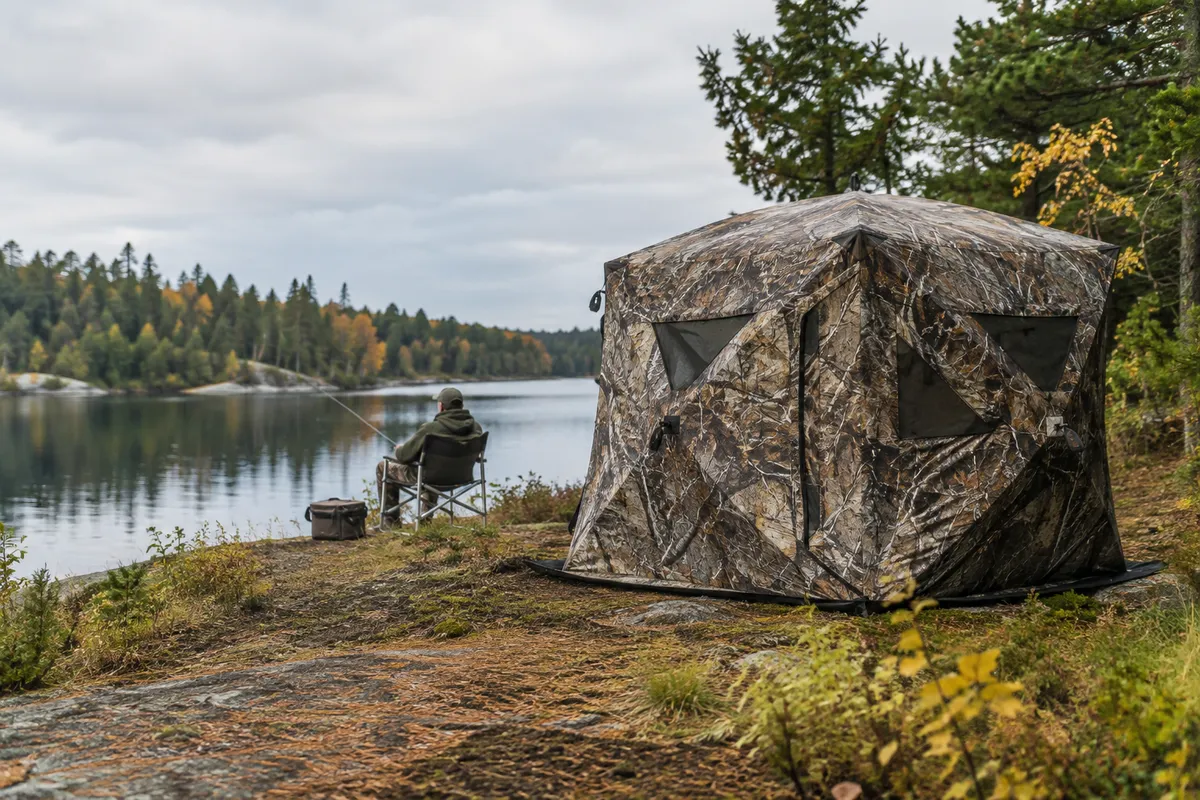
The Clam Bigfoot XL2000 name points readers toward a camouflaged, hub-style shelter, but a model name alone does not verify its dimensions, weight, fabric, or included accessories. Before planning a camp around it, confirm the exact product details with Clam or a current manual. Then judge the shelter by the conditions and tasks you expect: the people and gear it must hold, the ground where it will stand, the weather exposure, and how it will travel between vehicle and campsite.
A hub shelter can make a useful covered base for hunting camp or other outdoor use, but it is not a substitute for a purpose-built sleeping tent unless the manufacturer specifically rates it for that use. Treat product claims as a starting point, and make a site and safety plan that still works if conditions turn poor.
What does “hub shelter” tell you—and what does it not?
A hub shelter generally uses a collapsible frame whose sections extend from central joints to spread the shelter walls. That broad design description does not establish how a particular model is assembled, how many people it accommodates, or whether it is intended for overnight sleeping. Those answers belong to the product’s current instructions and specifications.
The “camo” part describes an appearance, not a guarantee of concealment or suitability for every hunting setting. Check local rules about visibility and required hunter-orange clothing; camouflage on a shelter does not replace legally required safety apparel. Also consider whether the pattern fits the place you use it. A shelter should remain easy for companions and other visitors to recognize, especially around a busy campsite.
How much usable space should you plan for?
Start with the actual floor dimensions and usable interior height in the manufacturer’s current documentation. Then sketch the arrangement you need: occupants, chairs, packs, boots, a table, and any equipment that must remain inside. A published occupancy figure, if available, may describe a close fit rather than comfortable space for people and bulky layers.
Allow room to move without blocking the door or pinning gear against the walls. Keep cooking appliances and fuel-burning heaters out unless the manufacturer explicitly permits a specific setup and provides ventilation and clearance instructions. Carbon monoxide is odorless and can be deadly; never treat an open flap as proof that an enclosed shelter is safe for combustion equipment.
If the shelter will serve as a gear station rather than a sleeping space, decide what must stay dry and what can be stored elsewhere. This helps avoid overloading the interior and keeps exits clear. For more camp-planning ideas, browse more outdoor coverage and compare the needs of a shelter with other field gear.
Which specifications deserve confirmation?
Model listings and product pages can change, and similarly named versions may differ. Before relying on a detail, confirm the exact model identifier and revision. The most useful points to verify are:
- Dimensions and capacity: interior footprint, peak height, and any stated occupancy guidance.
- Packed size and weight: whether the listed figure includes stakes, tie-downs, and carrying bag.
- Materials and weather claims: fabric, water-resistance language, seam construction, and any wind limitations.
- Ventilation and openings: doors, windows, vents, and whether panels can be adjusted from inside.
- Included components: poles or hub sections, stakes, guy lines, repair parts, and storage bag.
- Care and warranty: drying, cleaning, storage, and service instructions.
Do not infer a rating from a product photograph or from a different shelter in the same brand family. If documentation is unclear, contact the manufacturer before exposing the shelter to conditions it may not be designed to handle.
Where should you pitch it?
Choose level ground with enough clearance for the full footprint, guy lines, and people moving around the shelter. Avoid dead branches overhead, drainage channels, exposed ridgelines, and low spots where water may collect. In hunting camp, keep the shelter away from vehicle routes, shooting lanes, and other areas where its presence could create confusion or obstruct safe movement.
Look for a site with some natural protection, but do not assume trees make a location safe in high winds. Stay alert to changing weather and be ready to leave or take shelter in a more secure building when conditions exceed the shelter’s limits. Secure the shelter as directed, using appropriate anchors for the ground; stakes that hold in soft soil may not hold in sand, snow, or saturated earth.
A hub frame can be under strain when deployed. Follow the product manual for opening, anchoring, and collapsing it, and keep hands clear of joints and moving frame sections. Do not force a stuck mechanism. Practice at home in calm conditions, with enough space, so the group understands the sequence before setting up in poor weather.
How should you assess weather and ventilation?
No shelter should be treated as storm-proof based on its shape or camouflage pattern. Check the forecast, wind exposure, and expected precipitation, and use the manufacturer’s stated limits rather than guessing. Recheck anchors after setup and during a stay, but do not put people at risk to tighten lines in dangerous conditions. If wind rises, water pools, or the frame deforms, leave the shelter and move to a safer location.
Keep vents and doors configured as the instructions require. Condensation can collect when damp clothing and breathing moisture meet cool fabric; ventilation and keeping wet gear organized can help, but they do not eliminate it. Store food and scented items according to local wildlife guidance, and do not leave scraps around camp.
For a different kind of portable outdoor enclosure, the Clam 1660 Quick Set Escape is another product topic to compare—but verify each model’s intended use and specifications independently. Similar brand names do not mean shelters share the same construction, setup, or weather limits.
What should you consider for transport and upkeep?
A shelter that is manageable at a vehicle may be cumbersome on a longer carry. Check packed dimensions and weight, then consider the route from parking to camp, the distance, and whether one person or a group will carry it. Keep the packed shelter secured in transit so it cannot shift, and protect it from sharp tools or abrasive cargo.
After use, follow the care directions and let fabric dry fully before long-term storage. Shake off debris, inspect the frame joints and fabric, and note any tears, bent components, or missing anchors. Do not improvise a structural repair that conflicts with the manufacturer’s guidance. Store the shelter in a dry place and keep its manual with the gear so setup and care instructions are available next time.
A shelter is only one part of a camp system. For a broader look at planning and equipment choices, see our guide to the Zack Shack fish house; its use case differs, so compare intended activities rather than assuming the products are interchangeable.
Is the Bigfoot XL2000 a fit for your camp?
It may suit an outing if its verified footprint, packed weight, setup method, and weather guidance match your group and site. It is a poor fit if the expected conditions exceed its documented limits, if the packed load is impractical, or if your plan depends on unverified capacity or features. Confirm the model and manual, rehearse setup, and have a clear exit plan before relying on any shelter away from home.
FAQ
Is the Clam Bigfoot XL2000 suitable for sleeping overnight?
Do not assume so from the name or hub design. Confirm the manufacturer’s intended use, ventilation guidance, and specifications. Never use fuel-burning equipment inside unless explicitly permitted by the instructions and used exactly as directed.
Can I use a hub shelter in strong wind or heavy snow?
Only within the limits specified for the exact model and setup. Check current manufacturer guidance and the forecast; leave for a safer location if conditions worsen or the structure shows strain.
How can I confirm what comes with this model?
Use the current manufacturer product information or manual for the exact model identifier and revision. Confirm included anchors, lines, carrying bag, dimensions, and care requirements rather than relying on an old listing or a similar model.
Frequently asked questions
Is the Clam Bigfoot XL2000 suitable for sleeping overnight?
Do not assume so from the name or hub design. Confirm the manufacturer’s intended use, ventilation guidance, and specifications. Never use fuel-burning equipment inside unless explicitly permitted by the instructions and used exactly as directed.
Can I use a hub shelter in strong wind or heavy snow?
Only within the limits specified for the exact model and setup. Check current manufacturer guidance and the forecast; leave for a safer location if conditions worsen or the structure shows strain.
How can I confirm what comes with this model?
Use the current manufacturer product information or manual for the exact model identifier and revision. Confirm included anchors, lines, carrying bag, dimensions, and care requirements rather than relying on an old listing or a similar model.
Sources & further information
Consult these primary sources for current regulations, technical information and local guidance.