Ethanol in Boat Fuel: What Anglers Should Know
Ethanol-blended gasoline is common, but marine engines and long storage periods call for a little extra attention. Here is how anglers can make sensible fuel decisions and protect their time on the water.
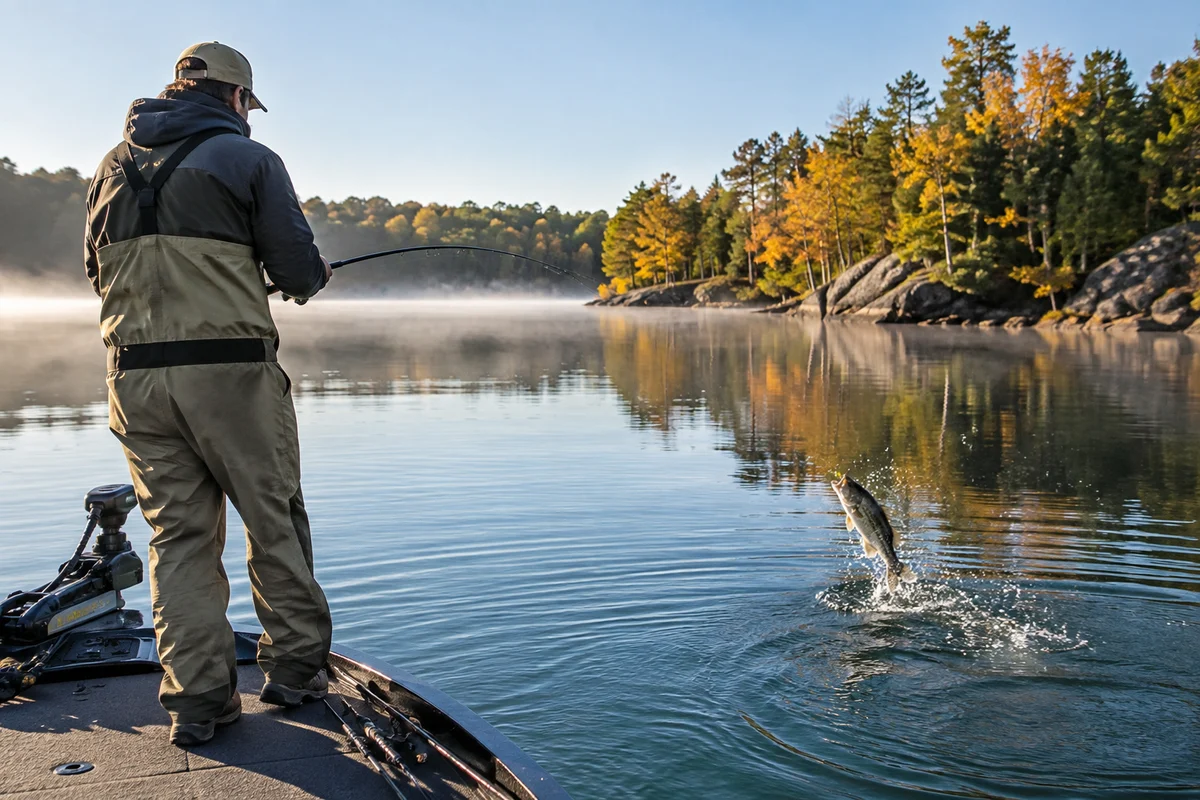
Ethanol in boat fuel is a practical concern for anglers because many gasoline blends contain ethanol, while boats may sit unused between trips. The key is not to assume every blend behaves the same in every engine. Check the owner’s manual and fuel label, use fuel that meets the engine maker’s requirements, and plan storage around the boat’s actual use. A few careful habits can reduce avoidable fuel-system trouble without treating every ethanol blend as a problem.
What ethanol blending means for boaters
Ethanol is an alcohol made from plant material and blended into some gasoline. In the United States, E10—gasoline containing up to 10 percent ethanol—is widely available. The precise blend at a pump can vary, so read the pump label rather than relying on color, branding, or a station employee’s guess.
The important distinction is compatibility. Many modern outboard and sterndrive engines are designed for specified ethanol blends, but permitted fuel varies by model and manufacturer. The manual is the controlling guide. Do not use a higher-ethanol fuel just because it is available for a car; some marine engines are not approved for it. If the manual is missing, find the manufacturer’s documentation using the exact model and serial information or ask an authorized service professional.
Ethanol is not the only factor in fuel problems. Water entering through a vent or poor storage, aging gasoline, contaminated containers, and neglected filters can all cause trouble. Treat the fuel system as a whole rather than assuming a single ingredient explains every hard start or rough-running engine.
Why storage time changes the equation
Gasoline can degrade during storage. Ethanol-blended fuel also has an affinity for water. If enough water accumulates in a fuel system, the mixture can separate into layers, leaving a water-and-ethanol-rich layer below the gasoline. That condition can impair operation and may require professional attention. It is not inevitable, and ordinary exposure to humid air does not mean a tank has automatically separated.
Long periods between outings make prevention especially useful. Keep fuel in a sound, marine-appropriate system with its cap and connections in good condition. Follow the boat and engine manuals for storage, tank level, ventilation, and fuel treatment. Advice can differ by equipment and storage conditions, so avoid applying a one-size-fits-all rule about whether to fill or empty a tank.
If a boat has been stored for a long time, do not assume the old fuel is suitable simply because it looks normal. Ask a qualified marine technician what to do, especially if there is a water-contamination concern, a fuel odor, a damaged line, or an engine that runs differently than usual.
Choosing fuel at the dock or station
Start with the engine maker’s maximum approved ethanol content and octane requirement. Then compare those requirements with the pump label. If a fuel’s blend is unclear, choose a clearly labeled option that meets the manual or ask the supplier. “Premium” describes an octane grade, not automatically a lower ethanol content; check the label rather than inferring the blend from the price or grade.
Some marinas offer ethanol-free gasoline, but availability and suitability vary by location and engine. It may be a useful option for certain applications or storage patterns, but it does not remove the need for fresh, clean fuel and proper maintenance. Do not add an unapproved additive or mix products based on a general online recommendation. Follow the engine manufacturer’s instructions and the product label.
A simple fueling routine helps: use a clean, approved container if portable tanks are involved; keep dirt and water out of the opening; secure the cap; and avoid topping off in a way that risks spilling fuel. Fuel vapors are hazardous. Observe posted marina rules, shut down the engine while fueling, and ventilate as directed by the boat’s manual before starting.
Reduce water and contamination risks
Inspect the fuel cap, fill, vent, hoses, and connections as part of routine upkeep. Look for cracked or softened hoses, loose fittings, corrosion, and damaged seals. Replace components with marine-rated parts recommended for the system; ordinary automotive components may not be suitable for a boat’s environment.
A water-separating filter can help protect some fuel systems, but it is not a cure-all. Use the type and service interval specified by the engine or boat maker. Learn where the filter is and how to recognize signs of a problem, but have a technician handle service if you are uncertain or if fuel may spill. Dispose of contaminated fuel and filters according to local hazardous-waste guidance—never pour fuel into a drain, onto soil, or into the water.
Keep fuel containers clean, closed, and approved for their intended use. Do not store them where heat, ignition sources, or poor ventilation create hazards. For an unfamiliar fuel system, a pre-season inspection can catch deteriorated hoses and old filters before a fishing day depends on them.
Symptoms that call for caution
Hard starting, stalling, loss of power, or unusual engine behavior can have many causes, including fuel contamination. Do not keep running an engine that repeatedly stalls or shows a serious warning. Return to a safe location if possible, follow the manual’s emergency guidance, and arrange inspection. A strong gasoline smell, visible leakage, or suspected water in fuel deserves prompt attention because of fire, environmental, and engine risks.
Avoid diagnosing fuel separation by appearance alone. If you suspect it, do not pour a sample overboard or try improvised fixes on the water. A marine service professional can assess the fuel and system safely. Keep a maintenance record of fuel dates, storage periods, filter changes, and symptoms; this can help identify patterns without guessing at the cause.
Good boating habits also include checking conditions before leaving the ramp and carrying required safety equipment. For broader conservation and outdoor reporting, see our more outdoor coverage. Readers interested in aquatic stewardship can also explore efforts to combat illegal fishing and ideas for cleaning up the ocean.
A sensible pre-trip and storage checklist
Before launching, confirm that the fuel is fresh enough for the storage interval and permitted by the engine manual. Check for leaks or fuel odors, verify that the fuel cap is secure, and make sure the engine’s routine maintenance is current. If fuel has been stored through an off-season, use the manufacturer’s procedures rather than relying on a generic treatment recipe.
After a trip, secure the system as directed, keep records, and address signs of damage early. A little planning is more useful than panic about ethanol: use the correct labeled fuel, keep water and debris out, follow the manual, and seek qualified help when contamination or a mechanical fault is suspected. Those steps support reliable outings while avoiding unnecessary repairs and unsafe fuel handling.
Frequently asked questions
Is E10 gasoline safe for every boat engine?
No. Many engines permit E10, but compatibility is model-specific. Check the owner’s manual or the engine manufacturer’s guidance, including the required octane and maximum ethanol content.
Does premium gasoline mean ethanol-free?
No. Octane rating and ethanol content are separate characteristics. Read the pump label and confirm the blend rather than assuming a higher octane grade contains no ethanol.
What should I do if I suspect water-contaminated fuel?
Avoid running the engine if it is operating poorly or there is a safety concern. Do not dump fuel or attempt an improvised repair. Contact a qualified marine technician and follow local rules for handling and disposing of contaminated fuel.
Frequently asked questions
Is E10 gasoline safe for every boat engine?
No. Many engines permit E10, but compatibility is model-specific. Check the owner’s manual or engine manufacturer’s guidance, including the required octane and maximum ethanol content.
Does premium gasoline mean ethanol-free?
No. Octane rating and ethanol content are separate characteristics. Read the pump label and confirm the blend rather than assuming a higher octane grade contains no ethanol.
What should I do if I suspect water-contaminated fuel?
Avoid running the engine if it is operating poorly or there is a safety concern. Do not dump fuel or attempt an improvised repair. Contact a qualified marine technician and follow local rules for handling and disposing of contaminated fuel.
Sources & further information
Consult these primary sources for current regulations, technical information and local guidance.